




The Protein Puzzle: How Much Do You Really Need?
The message seems simple: eat more protein to build muscle and stay lean. While protein is crucial for muscle repair and growth, most people's needs are more moderate than the hype suggests. The recommended dietary allowance for a sedentary adult is about
0.8 grams of protein per kilogram of body weight. For a 70kg person, that’s about 56 grams per day. If you exercise regularly, your needs increase. Those who are highly active, like athletes or people who lift weights, may need between 1.2 to 2.0 grams per kilogram. However, studies show that consuming more than 40 grams in one sitting provides no extra benefit, as your body can only metabolize so much at once.
The Pitfalls of Packaged Protein
Reaching for a product labeled 'high protein' seems like a smart shortcut. Unfortunately, these labels can be misleading. A product can claim to be 'high in protein' if it contains 20% or more of the daily recommended value, which is only about 50 grams. This means a snack with just 10 grams of protein can carry this label. Furthermore, to make these products taste good, manufacturers often add significant amounts of sodium, unhealthy fats, and sugar. One study found that over half of products with high protein claims also had high sodium or fat content. So while you're getting some protein, you may also be consuming a lot of unwanted extras that don't support your health goals.
When Too Much of a Good Thing Becomes a Problem
Constantly exceeding your protein needs isn't just inefficient; it can carry health risks. Consuming too much protein can put a strain on your kidneys, which are responsible for filtering waste products from protein metabolism. While healthy kidneys can typically handle a higher load, it's a significant concern for anyone with pre-existing kidney conditions. Excessive protein intake can also lead to dehydration, as your body uses more water to flush out these waste products. Some high-protein diets, especially those heavy in red and processed meats, have been associated with an increased risk of heart disease and certain cancers. It's a reminder that balance is key.
Whole Foods Over Processed Powders
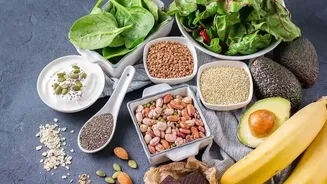
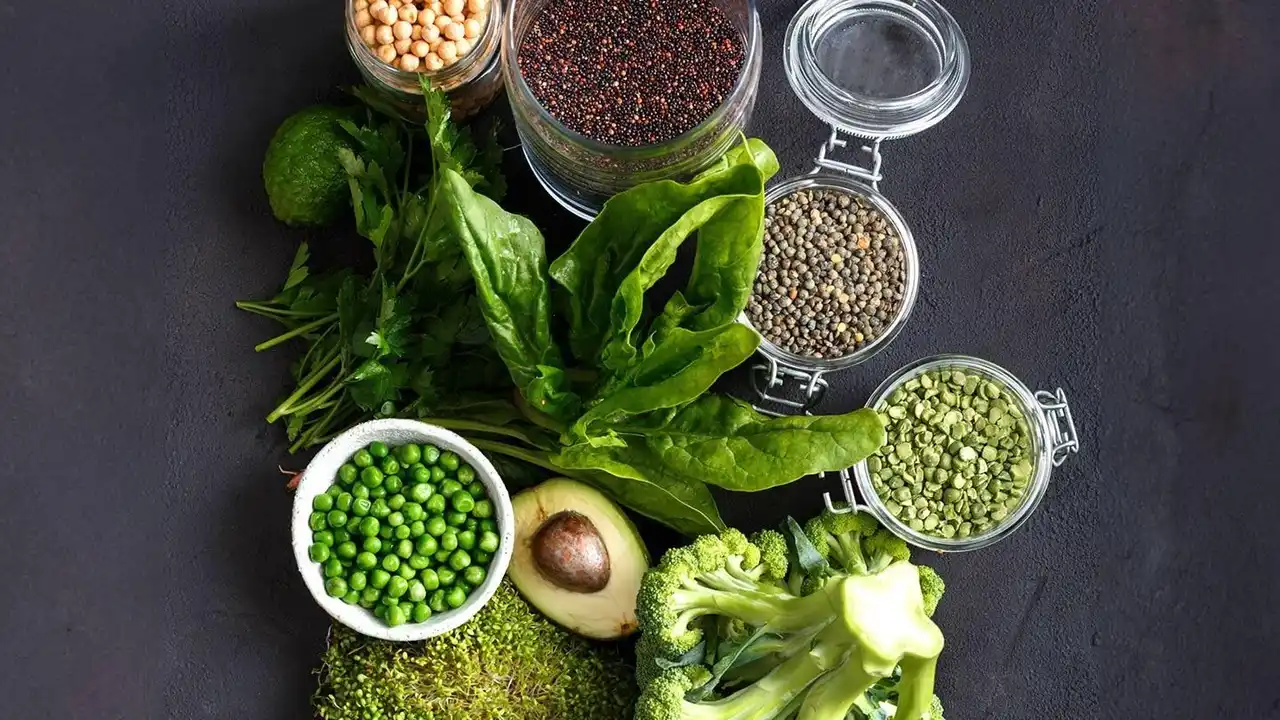
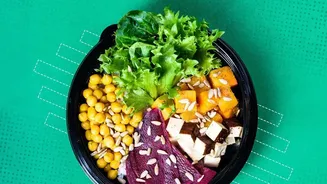
Where your protein comes from matters just as much as how much you eat. Whole food sources like chicken, fish, eggs, beans, lentils, and nuts provide protein along with a complex package of other essential nutrients like fiber, vitamins, and minerals. These nutrients work together and are more easily absorbed and used by the body. Protein supplements and processed protein foods can be convenient, but they can't replicate the nutritional synergy of whole foods. Experts consistently recommend prioritizing whole foods and using supplements only to fill in gaps, not as a primary source of nutrition. Focusing on a varied diet ensures you're not just hitting a protein target but are truly nourishing your body.