







A Treasure of the Arid Wilds
Deep in eastern Rajasthan lies the Dang, a region of rugged terrain, ravines, and hardy vegetation stretching across districts like Karauli, Dholpur, and Sawai Madhopur. It’s a challenging environment, marked by rocky soil and scarce water. Yet, it is here
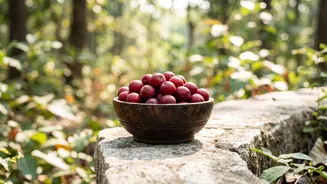
that the wild beri, a species of Ziziphus, thrives without any cultivation, irrigation, or fertilisers. Known scientifically as Ziziphus nummularia, this thorny shrub is perfectly adapted to survive the harsh climate, from scorching summer heat to cool winters. Come winter, its branches become laden with small, round fruits that ripen from green to a reddish-brown, signalling a much-awaited harvest season for local communities.
The Community Harvest
The gathering of wild beri is a tradition deeply woven into the lives of villagers in the Dang region. It is a source of effortless sustenance that connects people to their land. Families, especially women and children, venture into the forests and wastelands to collect the ripe berries. This activity is not just about food; it provides a supplementary income for many rural households who sell the fresh or dried fruit in local markets. For generations, this humble berry has sustained both people and wildlife, with birds and animals also depending on it for their winter nutrition. This creates a beautiful, harmonious cycle where nature provides for all, requiring nothing but respect in return.
A Burst of Flavour and Nutrition
The wild beri is celebrated for its distinctive sweet and sour taste. It can be eaten fresh, often with a pinch of salt, or preserved by sun-drying for later use. These dried berries can be ground into a powder or used in various local preparations. Beyond its delightful flavour, the fruit is a nutritional powerhouse. It is exceptionally rich in Vitamin C, a natural immunity booster, and packed with dietary fibre, which aids digestion. Traditional healers and local elders have long valued the beri for its health-giving properties, considering it a natural way to stay healthy during the colder months. Its nutrient density makes it a true superfood of the desert.
More Than Just a Fruit
The significance of the beri fruit extends beyond the culinary and into the cultural and spiritual fabric of the region. It holds mythological importance, most notably linked to the story of Shabari offering the berries to Lord Rama in the epic Ramayana, symbolising pure and humble devotion. In traditional medicine, various parts of the Ziziphus plant have been used for generations. The fruits and leaves have been employed to help with digestive issues like diarrhoea, for skin ailments, and as a general tonic. Scientific studies have begun to validate this traditional knowledge, identifying compounds in the plant with antioxidant, anti-inflammatory, and antimicrobial properties. This small berry is a cornerstone of indigenous knowledge, passed down through generations.