




A Nationwide Health Awakening
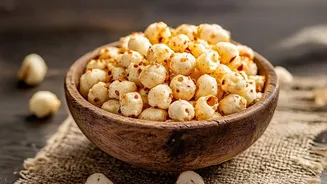
The single biggest driver behind this change is a collective shift towards health and wellness. An increasing awareness of lifestyle diseases like diabetes and obesity is prompting Indians to reconsider their dietary habits. Consumers are moving away
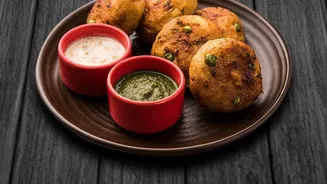
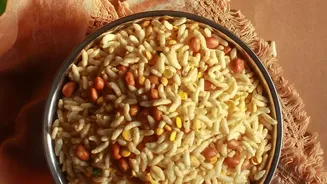
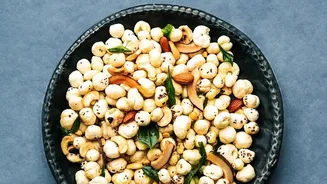
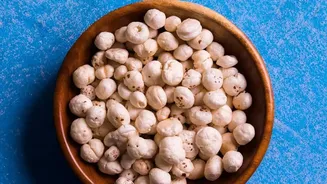
from traditional snacks high in fat and sugar, seeking out nutrient-dense options instead. This has led to the rise of products made from millets like ragi and jowar, roasted makhanas (fox nuts), and various seeds, which are being reinvented from traditional foods into convenient, modern snacks. A 2026 report underscored this, revealing that 86% of Indian consumers now consider protein an important factor when choosing a snack.
The Urban Hustle and Need for Convenience
Rapid urbanisation and increasingly busy lifestyles have created a demand for on-the-go nutrition. For time-pressed professionals and dual-income households, convenience is paramount. Packaged snacks that are both healthy and easy to consume fit perfectly into this new reality, replacing home-cooked options for many. This demand is met by a booming market for items like granola bars, protein-enriched bites, and portion-controlled packs of nuts and seeds. The explosion of quick-commerce platforms has further accelerated this trend, making it possible to get a healthy snack delivered in minutes, effectively reshaping impulse buying habits.
Rising Incomes and Evolving Palates
As disposable incomes grow, so does the willingness to experiment and spend more on premium products. A growing middle class is increasingly opting for packaged snacks that offer not just convenience but also novel flavours and high-quality ingredients. This has opened the door for gourmet and globally-inspired snacks, from wasabi-infused chips to peri-peri flavoured makhanas. Consumers are also willing to pay a premium for products with 'clean labels'—those free from artificial additives and with transparent ingredient lists. Reports show that 62% of shoppers consider ingredient transparency a top priority, valuing it over celebrity endorsements.
The Gen Z and Millennial Influence
Younger generations, particularly Millennials and Gen Z, are at the forefront of this snacking evolution. Digitally savvy and influenced by global wellness trends on social media, they are more conscious about what they consume. They actively read nutrition labels and seek out brands that align with their values, such as sustainability and transparency. This demographic's preference for novelty and functionality has fuelled the success of many direct-to-consumer (D2C) brands that have disrupted the market with innovative products and direct engagement with their customers.
How the Market is Responding
The snack market in India, valued at over USD 3 billion in 2025, is growing at a rapid pace, with some projections showing it could reach over USD 8 billion by 2033. This has prompted both legacy food giants and agile D2C startups to innovate. Traditional snacks are being reformulated with healthier ingredients, while a host of new products like baked multigrain chips, fruit and nut bars, and ready-to-eat millet-based items are flooding the shelves. Brands are successfully tapping into this by presenting trusted Indian ingredients in modern, appealing formats, making healthy eating both exciting and accessible.