




Understanding the August Forecast
While some long-range forecasts for the entire June-September season suggested a below-normal monsoon for 2026, the reality on the ground for early August is quite different. The India Meteorological Department (IMD) has issued warnings for heavy to very
heavy rainfall across large parts of the country for the first half of the month. Active monsoon systems and multiple cyclonic circulations are driving intense spells in southern, northern, central, and eastern India. States like Kerala, Karnataka, Uttarakhand, Odisha, and West Bengal are expected to see significant downpours. Kerala, for instance, has already received 149% excess rainfall in the first five days of August alone. This isn't a uniform, gentle monsoon; it's a period of active, often intense weather that makes spontaneous travel risky.
Mastering the Art of Timing
The headline's advice is crucial: timing your travel between destinations is everything. Heavy rain can disrupt road, rail, and air travel with little warning. Building buffer time into your itinerary is the most important step you can take. Avoid scheduling tight connections, such as a bus arrival followed immediately by a train departure. A single delay due to waterlogging or a landslide can break a packed schedule. Whenever possible, plan major travel legs for the morning. While monsoon rain can be unpredictable, downpours sometimes intensify in the afternoon and evening. A daytime journey improves visibility and gives you more time to find alternatives if a route is blocked. For travel in hilly or landslide-prone areas, avoiding night travel is a non-negotiable safety rule. Always check local weather alerts right before you leave; conditions can change in a matter of hours.
Your Digital Weather Toolkit
Relying on a generic weather app is not enough. For reliable information in India, use official sources. The IMD's website and its 'Mausam' app provide district-level warnings, colour-coded alerts (yellow, orange, red), and forecasts for rainfall intensity. This helps you distinguish between light showers and a potential deluge. When planning, check the forecast 4-5 days out to get a general sense of the weather, and then re-check every 12-24 hours for specific, actionable updates. Don't just look at the chance of rain; look at the predicted amount in millimetres and the timing. An hourly forecast can help you plan a sightseeing trip between spells of rain. Many private weather services also provide detailed local updates that can be cross-referenced for a clearer picture.
Building a Rain-Proof Itinerary
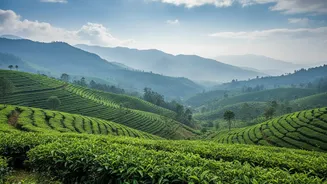
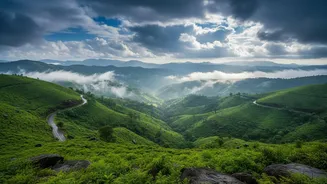
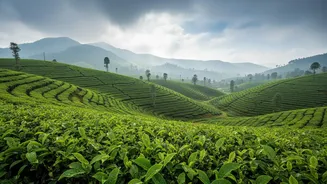
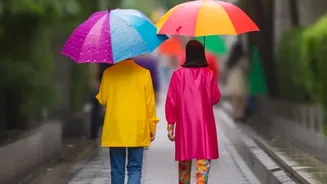
A smart itinerary works with the weather, not against it. For every outdoor plan, have an indoor backup. This could be a museum, a local market under cover, a cooking class, or simply a charming café to wait out the rain. Choose destinations known for reliable infrastructure during the monsoon, such as well-managed hill stations like Coorg or Munnar, or cities in lower-rainfall areas like Rajasthan. Your packing list should prioritize function. Opt for lightweight, quick-drying clothes instead of heavy cottons or jeans. Essential items include a good rain jacket, a strong umbrella, waterproof footwear with good grip, and a waterproof cover or dry bag for your backpack and electronics. Carrying a power bank is also wise, as power cuts can occur during heavy storms.
Prioritizing Health and Safety
The monsoon brings beauty, but also health risks. Water contamination is a concern, so stick to bottled or filtered water and be cautious with street food, especially items that may have been washed with untreated water. Mosquitoes are also prevalent, making a good insect repellent essential to protect against diseases like dengue and malaria. When choosing activities, be mindful of the risks. Avoid trekking in areas with landslide warnings and be extremely cautious near waterfalls, where rocks can be treacherous and water levels can rise suddenly. A basic first-aid kit with antiseptic, bandages, and medication for common ailments is a must-have for any monsoon traveller.