






The New Cafe Plate
Step into a popular urban cafe today, and you might be greeted by a menu that reads like a global food tour. Alongside the familiar cappuccino and masala chai, you are now just as likely to find Australian-style flat whites, Japanese matcha lattes, and artisanal
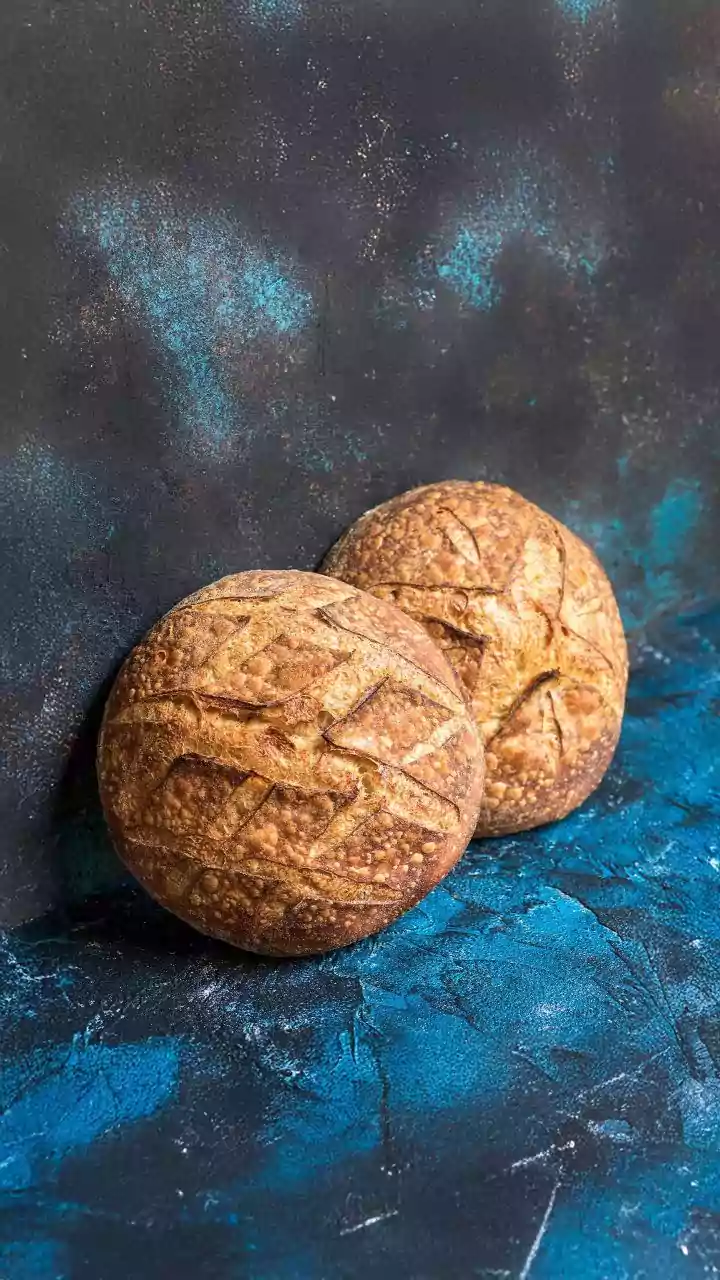
single-origin pour-overs. The food menu has evolved even more dramatically. Avocado toast, once a niche item, is now a breakfast staple. Smoothie bowls packed with exotic fruits and seeds sit alongside inventive omelettes. Even traditional Indian snacks are getting a modern makeover, presented with gourmet flair and unexpected ingredients. This shift is not about replacing old favourites but expanding the culinary canvas. Cafes are becoming playgrounds for food, where a quick coffee can easily turn into a discovery of a new dish, whether it’s a quinoa salad, a gourmet sandwich with sourdough bread, or a deconstructed version of a classic Indian dessert.
An Appetite for Adventure
What is driving this change? The answer lies in the diner. Today's Indian consumer, particularly the urban millennial and Gen Z demographic, is more globally connected and culinarily curious than ever before. Exposure through international travel, streaming shows, and social media has created a palate that is eager for new experiences. People don't just eat anymore; they think about what they eat. They are active participants in food culture, seeking out novel flavours and 'Instagrammable' dishes. This new generation of foodies is not just looking for sustenance; they are searching for a story and an experience. They are willing to experiment with Korean gochujang, Middle Eastern za'atar, and Peruvian quinoa, and they expect their local cafes to keep up with their evolving tastes. The loyalty is no longer to a single brand but to curiosity itself.
The Wellness Wave
Another powerful force reshaping cafe menus is the nationwide focus on health and wellness. There is a growing awareness of how diet impacts long-term health, leading consumers to actively seek out nutritious options. The Indian healthy food market is experiencing explosive growth, driven by this demand for foods that do more than just fill the stomach. This trend is visible in the explosion of plant-based, vegan, and gluten-free options on cafe menus. Ingredients like millets, seeds, and leafy greens are becoming stars. Salads are no longer a reluctant side dish but a hearty main course. Cold-pressed juices and kombucha are challenging sugary sodas for space on the beverage list. Consumers are increasingly willing to pay a premium for high-quality, organic, and clean-label products, seeing food as a form of preventative healthcare.
Beyond the Metro Bubble
While this trend began in major metropolitan hubs like Mumbai, Delhi, and Bengaluru, it is rapidly spreading to Tier-2 and Tier-3 cities. The combination of rising disposable incomes, better supply chains, and the pervasive influence of digital media means that an adventurous palate is no longer the exclusive domain of a big-city resident. This diversification is happening in two exciting ways. First, there's a surge in creative fusion food, where Indian flavours are blended with global formats, leading to exciting creations like paneer tacos or tandoori chicken pizza. Second, and perhaps more importantly, chefs are delving deeper into India's own vast culinary heritage. Instead of a generic 'Indian curry', menus are now proudly showcasing regional specialities, from the fiery curries of Kolhapur to the subtle flavours of Kumaoni cuisine, reintroducing diners to the incredible diversity within our own borders.