

Mastering the Moon Cycle
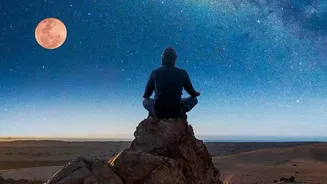
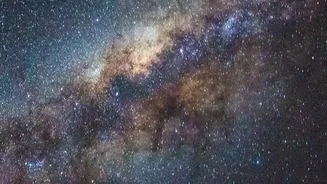
The single biggest factor in a successful stargazing night is the Moon. A full moon, while beautiful, acts like a giant source of light pollution, washing out fainter stars, nebulae, and the majestic band of the Milky Way. The best time for deep-sky viewing
is during the New Moon, when the Moon is invisible in the night sky. This phase provides the darkest possible conditions, allowing your eyes to fully adapt and see the cosmos in its full glory. The five-day window on either side of the new moon is generally considered the prime time for any serious stargazing trip. However, don't completely dismiss other phases. The 'crescent' phases, when the moon is less than 25% illuminated, can also offer excellent dark skies, as the slender moon often sets early in the evening or rises just before dawn, leaving a large, dark window for observation. Even a quarter moon, which is only about one-eleventh as bright as a full moon, allows for dark skies after it sets around midnight.
Decoding Cloud and Weather Forecasts
Once you've aligned your plans with the lunar calendar, the next hurdle is the weather. A perfectly dark, moonless night is useless if it's covered by a thick blanket of clouds. For stargazers, a simple 'cloudy' or 'clear' forecast is not enough. The type and altitude of clouds matter immensely. Thin, high-altitude cirrus clouds might dim the faintest objects but still allow for good views of planets and bright stars. Low, thick clouds, on the other hand, will block the sky entirely. When planning, look for specialised weather apps or websites that provide a cloud cover forecast, often broken down by low, mid, and high altitudes. In India, platforms like Skymet Weather and the official India Meteorological Department (IMD) website offer detailed forecasts that can help predict clear spells. It's crucial to check these forecasts in the days leading up to your trip, as conditions can change rapidly.
India's Seasonal Stargazing Calendar
India's unique climate, dominated by the monsoon, creates distinct stargazing seasons that vary by region. The monsoon months, roughly June to September, are generally the worst time for stargazing across most of the country due to persistent cloud cover. The main exception is the high-altitude desert region of Ladakh and Spiti Valley, which sits in a rain shadow and offers clear skies during this period. For the rest of India, the post-monsoon period from October to November is often considered the absolute best. The rains wash dust and pollutants from the atmosphere, resulting in exceptionally transparent skies. Following this, the winter months from December to February also offer excellent, crisp viewing conditions, although fog can be an issue in the northern plains. The pre-monsoon summer months (March to May) can be good, but increasing dust and haze can reduce visibility, particularly in North India.
Finding Your Dark Sky Spot
With your dates chosen and the forecast looking positive, the final step is location. Even with no moon and no clouds, the ambient light from cities can create a dome of light pollution that obscures the stars. Your goal is to get as far away from this as possible. High-altitude locations are often prized because there is less atmosphere to look through, resulting in clearer views. This is why areas like Ladakh and Spiti are world-renowned. However, you don't need to climb a mountain. Expansive, flat landscapes like the Thar Desert in Rajasthan or the Rann of Kutch in Gujarat also offer phenomenal, horizon-to-horizon views. In Kutch, the vast white salt desert can even reflect starlight on a moonless night, creating a surreal feeling of being surrounded by the cosmos. For those near other parts of the country, hill stations and remote areas away from major population centres provide the necessary darkness.