




Why Eat Seasonally?
Embracing seasonal produce is a cornerstone of traditional Indian food wisdom. Foods harvested in their natural season are fresher, more flavourful, and packed with higher nutritional value. For instance, the vitamin content in produce can be significantly
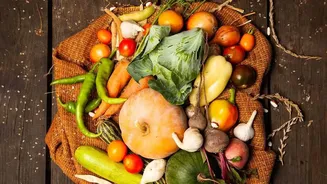
higher when it's picked at its peak. Eating seasonally also supports local farmers, is more affordable, and naturally introduces a healthy variety into your diet throughout the year. As the climate transitions from monsoon to the cooler, drier days of autumn, our bodies' needs change, and seasonal vegetables like carrots, spinach, and beetroot help boost immunity and prepare us for the coming winter.
October's Leafy Greens and Vegetables
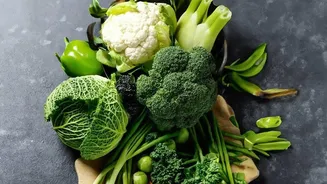
October is an excellent month for leafy greens and a variety of other vegetables. Look for early winter arrivals like spinach (palak), fenugreek (methi), and radish (mooli), which are perfect for planting in home gardens this month. Cauliflower (gobi) also starts to appear in its prime. When choosing cauliflower, look for a head with tightly packed, creamy-white florets and vibrant surrounding leaves. For cabbage, select one that feels heavy for its size and has crisp, pale green leaves. Carrots are another highlight of the season, tasting exceptionally sweet and juicy. When buying root vegetables, ensure they are firm and free from soft spots or excessive bruising.
Cooking with Autumn Vegetables
The vegetables of October are versatile and form the base of many hearty Indian dishes. The fresh, tender carrots are perfect for grating into parathas, poha, or even a classic gajar ka halwa. The combination of cauliflower and green peas (matar) makes a delightful dry stir-fry known as Gobi Matar Adraki, where the vegetables are cooked with a generous amount of ginger. Spinach can be used to make Oats Palak Paratha or added to dals for a nutritional boost. Cabbage is excellent for simple stir-fries, supporting gut health and detoxification as the seasons change. Don't forget sweet potatoes, which are also in season and can be roasted or used in curries.
The Fruit Basket in October
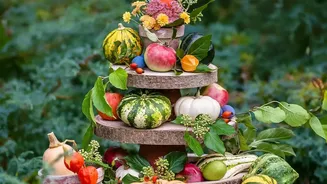
October marks a transition period for fruits, offering a mix of late monsoon and early winter varieties. Pomegranates are a key seasonal fruit, their jewel-like seeds perfect for adding to salads and raitas. Custard apples (sitaphal) are another special treat of this season, prized for their creamy texture and sweet flavour. You will also find guava beginning to appear in markets, along with pears and the last of the season's plums. In some regions, the Indian gooseberry (amla), a powerhouse of Vitamin C, starts its early harvest. When selecting fruits, use your senses: they should feel firm, have good colour, and often a fragrant smell indicates ripeness.
Simple Ideas for Seasonal Fruits
Making the most of October's fruits is easy. Pomegranates can be juiced or their seeds can be sprinkled over yoghurt, salads, or even savoury dishes for a burst of sweetness and colour. Guava can be sliced and eaten with a sprinkle of salt and chilli powder for a classic Indian snack. Custard apples are best enjoyed on their own; simply scoop out the sweet pulp with a spoon. If you find early season amla, consider making a simple murabba (sweet preserve) or chutney to enjoy its health benefits through the winter. Limes are also readily available and their juice can brighten up everything from dals to drinks.