
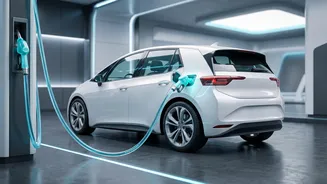
A Market in Transition
For the first time in August 2026, the combined retail sales of vehicles powered by alternative fuels like Compressed Natural Gas (CNG), hybrids, and battery electrics overtook standalone petrol cars. Alternative fuels captured nearly 42% of the market,
while petrol's share fell to around 41%. This milestone signals a profound change in consumer preference, driven by a desire for lower running costs, government incentives, and a growing variety of model choices. Carmakers are no longer placing a single bet on the future; they are diversifying their portfolios, leading to a fragmented but dynamic market where multiple powertrain technologies co-exist.
The Government's Multi-Pronged Push
The Indian government is steering this transition through a series of policies aimed at both stimulating demand and building a domestic manufacturing ecosystem. The Production Linked Incentive (PLI) schemes for the auto sector and for Advanced Chemistry Cell (ACC) battery manufacturing are designed to boost local production of EV components and reduce import dependency. On the demand side, the PM E-DRIVE scheme, which succeeded the FAME-II program, provides subsidies for electric two- and three-wheelers and supports the rollout of public charging infrastructure. Furthermore, tightening fuel economy standards, known as CAFE norms, incentivize manufacturers to produce more efficient vehicles, giving 'super-credits' for EVs and strong hybrids.
EVs: The Flagship of Change, With Hurdles
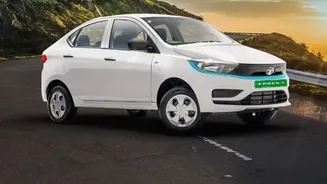
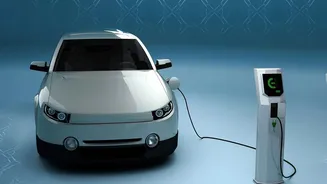
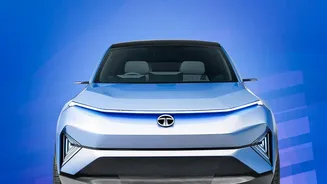
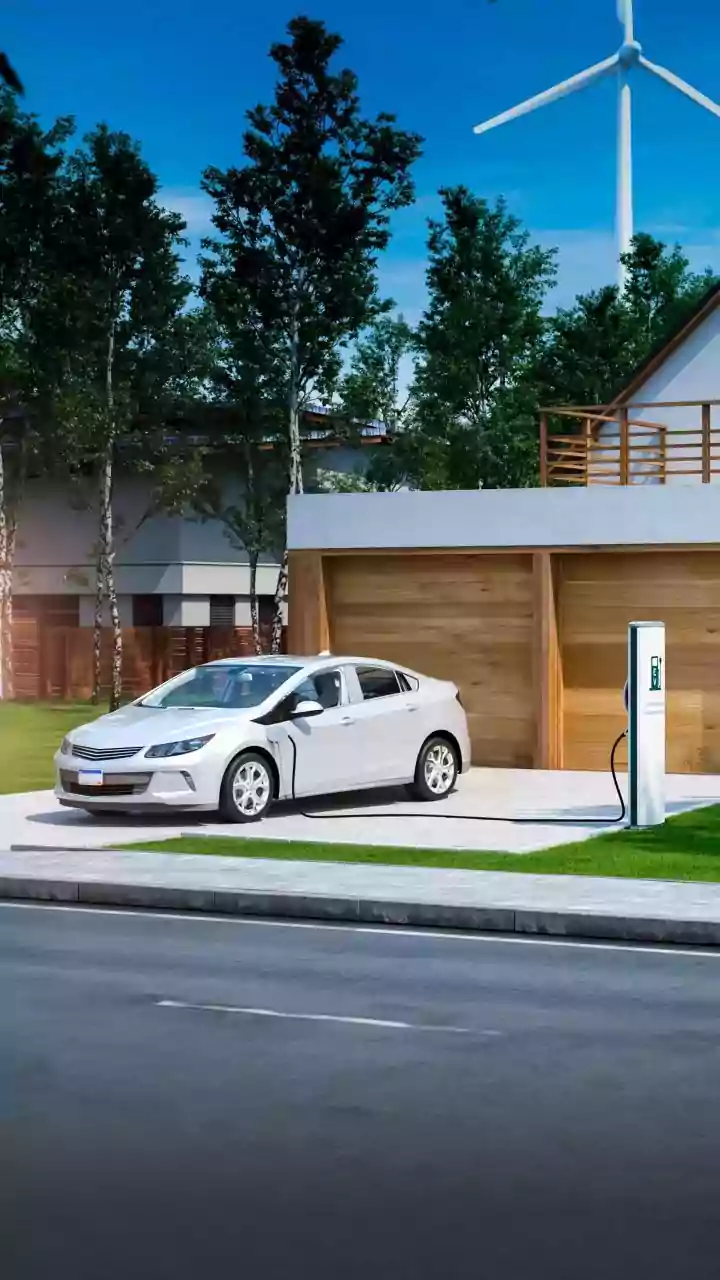
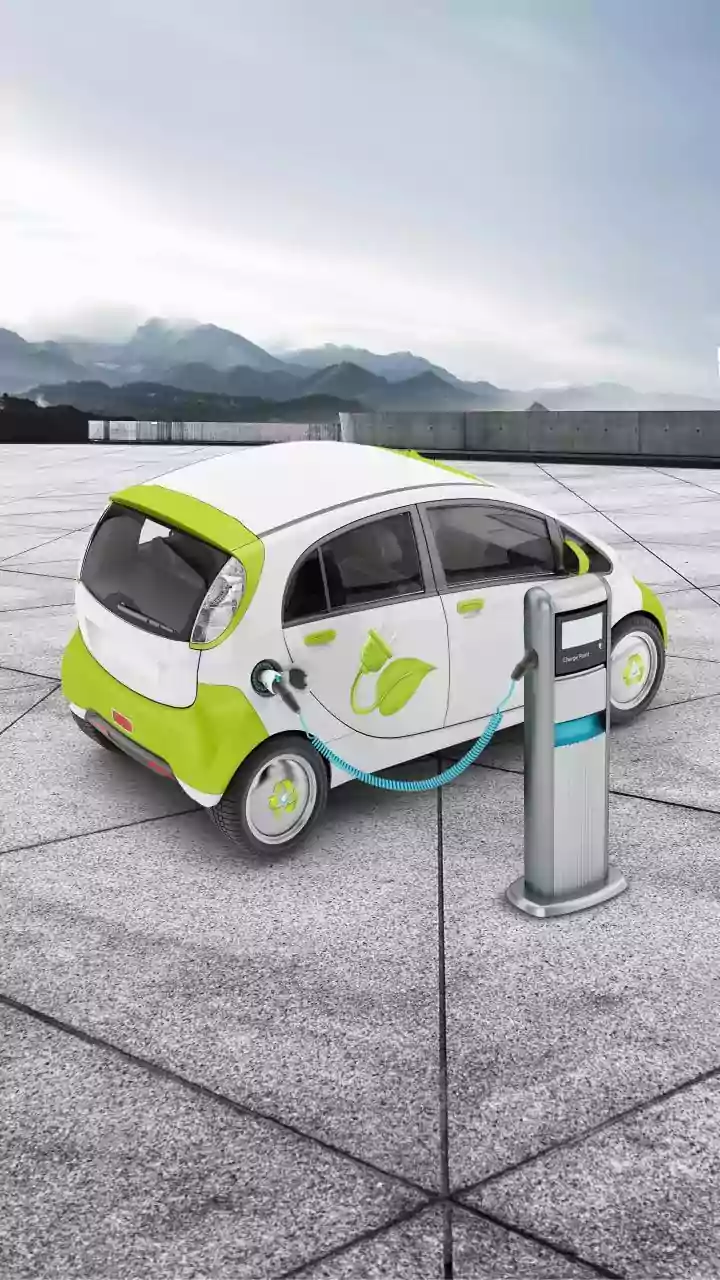
Battery Electric Vehicles (BEVs) are the centerpiece of India's clean mobility ambitions, with the government targeting 30% EV penetration by 2030. Sales have surged, with a 65% increase in the first half of 2026 compared to the previous year. Automakers like Tata Motors have taken a decisive lead, offering a wide portfolio of electric cars. However, significant challenges remain. The public charging infrastructure is still inadequate, with an estimated one charger for every 225 EVs, leading to persistent range anxiety among potential buyers. The high upfront cost of EVs and concerns about battery longevity and resale value are also major deterrents to mass-market adoption.
Hybrids and CNG: The Pragmatic Bridge
While EVs capture headlines, it is CNG and hybrid vehicles that are currently driving the volume shift away from petrol. CNG vehicles, in particular, saw their market share rise to a record 25% in August 2026. They offer a compelling combination of lower running costs and the familiarity of an internal combustion engine, without the range anxiety associated with EVs. Major players like Maruti Suzuki and Hyundai have focused heavily on their CNG and strong-hybrid offerings, viewing them as a practical bridge technology. This strategy caters to the price-sensitive Indian consumer who is keen on fuel efficiency but may not be ready or able to make the leap to a fully electric vehicle.
Flex-Fuels and Hydrogen: The Next Frontier
Looking further ahead, the government is actively promoting other alternatives to reduce the country's massive oil import bill. Flex-fuel vehicles (FFVs), which can run on petrol, ethanol, or a blend of both, are a major focus. The government is pushing for the development of engines capable of running on 100% ethanol (E100), which would leverage India's agricultural base to produce fuel domestically. Simultaneously, green hydrogen is being explored as a long-term solution, especially for heavy commercial vehicles. While still in early stages, these technologies represent a strategic move towards greater energy independence and decarbonization.