


The Post-Monsoon Advantage
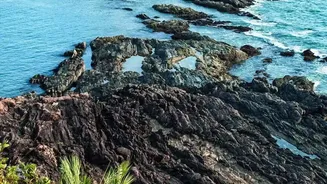
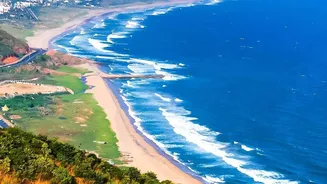
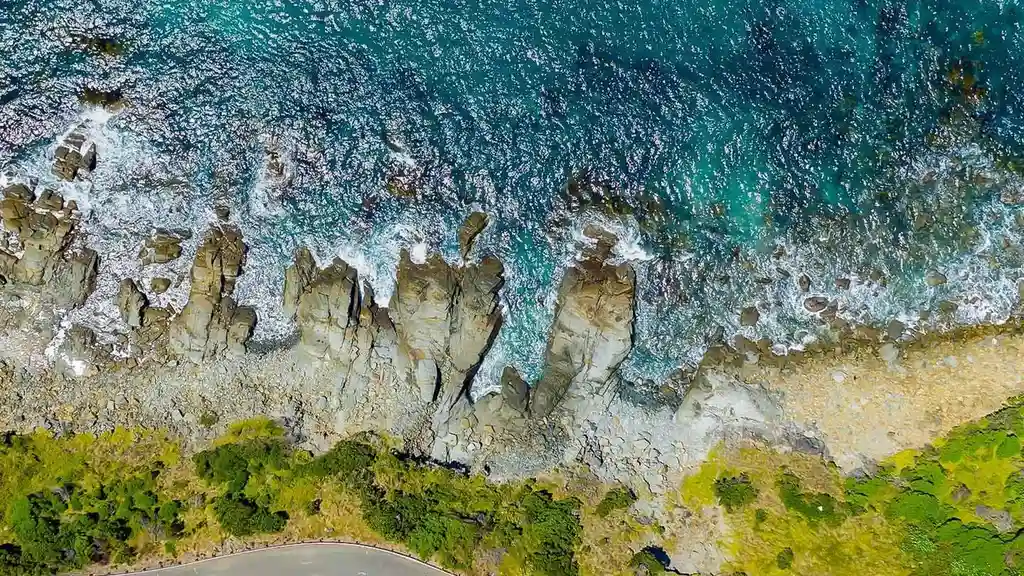
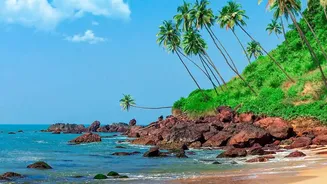
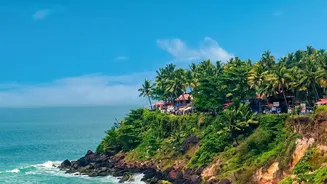
The ideal window for this coastal expedition is from October to February. During these months, the heavy rains have subsided, leaving the landscape exceptionally green and vibrant. The weather is pleasantly cool, with sunny skies perfect for beach hopping
and sightseeing. The sea, while still powerful, becomes calmer, and the tourist crowds of peak winter are yet to arrive, offering a more tranquil experience. This period strikes a perfect balance between comfortable travel conditions and the raw, rain-washed beauty of the coast. While roads like the NH-66 see improvements, always check local conditions, as some stretches can retain damage from the heavy monsoon season.
Karwar: Where the River Meets the Sea
Often considered the starting point for a northward coastal drive, Karwar is a serene town where the Kali River flows into the Arabian Sea. It's less commercialised than its neighbours, offering a peaceful introduction to the coast. A must-visit is the Rabindranath Tagore Beach, named after the poet who found inspiration here. For a dose of history, the unique Warship Museum, housed inside the retired INS Chapal, provides a fascinating look into naval life. Adventure seekers can enjoy boat rides on the Kali River estuary to witness the mangrove forests or spot dolphins in the open sea. Karwar's cuisine, especially the fresh seafood thalis with a Konkani twist, is an experience in itself.
Gokarna: A Tale of Two Halves
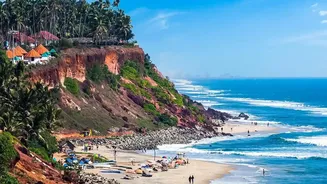
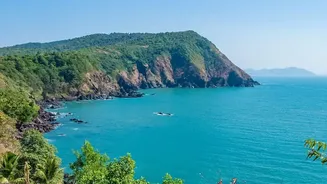
Roughly an hour's drive south from Karwar lies Gokarna, a town that masterfully balances its identity as a sacred pilgrimage site and a laid-back beach haven. The town centre is home to the ancient Mahabaleshwar Temple, housing the revered Atmalinga, which draws devotees from across the country. Just a short ride away, a string of stunning beaches awaits. Kudle Beach is known for its wide sandy expanse and beachside cafes, making it perfect for watching the sunset. The iconic Om Beach is naturally shaped like the sacred symbol and serves as a hub for water sports and boat trips to more secluded shores like Half Moon and Paradise Beach. For the adventurous, a popular trek connects these five main beaches, offering breathtaking cliff-top views of the Arabian Sea.
Murdeshwar: A Monumental Spectacle
Continuing south on NH-66 for about 80 km from Gokarna, you can't miss the approach to Murdeshwar. The town is dominated by the world's third-tallest statue of Lord Shiva, a colossal 123-foot figure that sits majestically by the sea. The statue is part of a temple complex built on Kanduka Hill, surrounded by water on three sides. A key feature here is the 20-storey Raja Gopura (temple tower), which is equipped with a lift. Taking the lift to the top floor provides a breathtaking panoramic view of the Shiva statue on one side and the vast expanse of the Arabian Sea on the other. The entire complex tells the story of the Atmalinga from the Ramayana, connecting it mythologically to Gokarna.
The Drive and Essential Tips
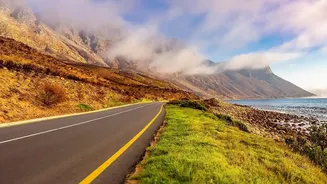
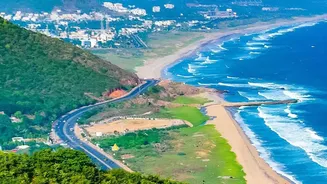
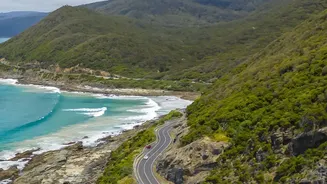
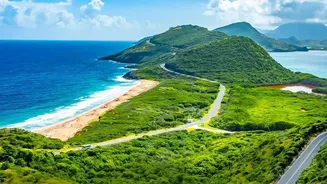
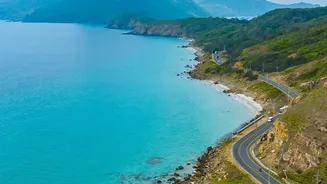
The journey itself along National Highway 66 is a major part of the experience. The road, which is being widened to a four or six-lane highway in many parts, offers spectacular views. A particularly famous stretch is near Maravanthe, where the highway is flanked by the sea on one side and the Souparnika River on the other, creating a unique and picturesque drive. To make the most of this trip, plan for at least three to four days. Accommodations range from simple beach shacks and homestays to comfortable resorts, but it's wise to book in advance, especially during weekends. Don't forget to pack light cotton clothing, sunscreen, and insect repellent. When it comes to food, step beyond the hotel restaurants and try the local eateries for authentic coastal Karnataka cuisine.