






The Problem with the 'Perfect' Vacation
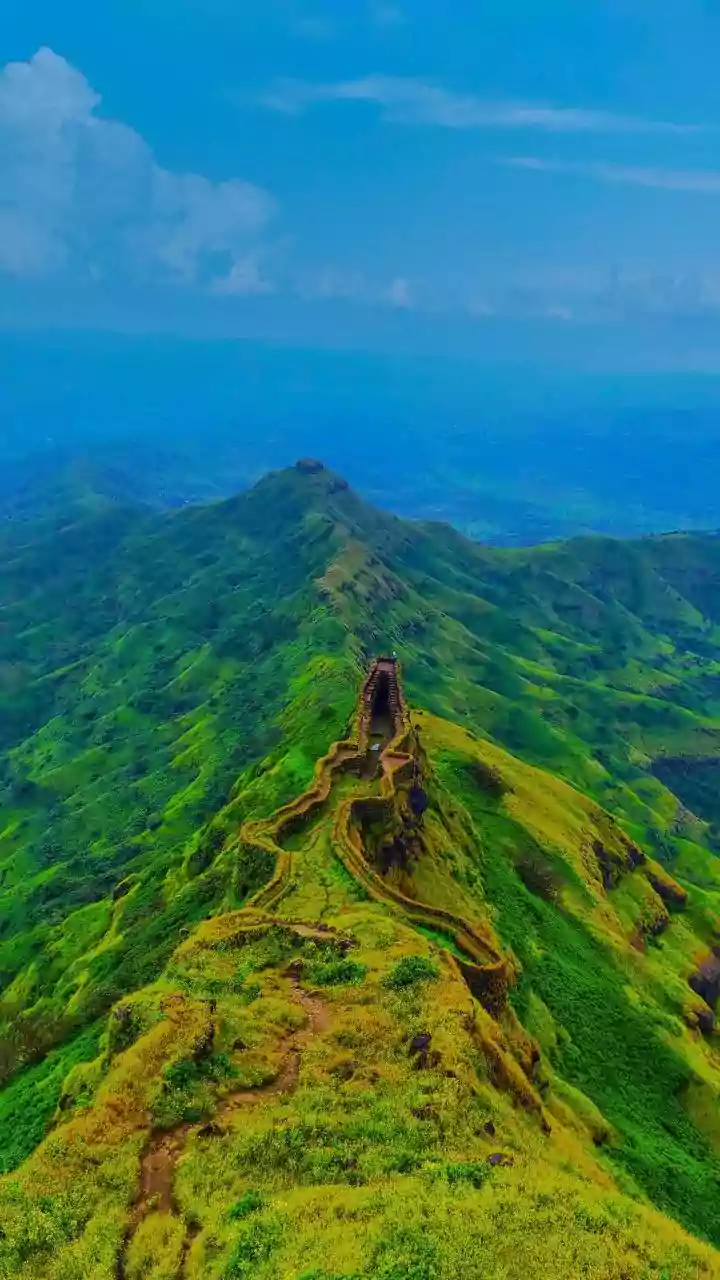
We all know the script. You dream of a grand escape—a European tour, a Southeast Asian adventure, or a deep dive into the Himalayas. The fantasy is beautiful. The reality? It’s a second job. It’s spreadsheets for budgets, endless browser tabs for flight
comparisons, and a group chat nightmare trying to coordinate schedules. The pressure to make a long, expensive trip ‘perfect’ and ‘worth it’ is immense. This monumental planning effort often leads to what psychologists call decision fatigue. Every choice, from the hotel’s proximity to the city centre to which travel insurance to buy, depletes your mental energy. Before you’ve even packed your bags, you’re already exhausted. The result is that many of us simply give up, pushing the ‘big trip’ to next year, and then the year after.
The Magic of the Third Day
A long weekend isn't just a regular weekend with an extra day tacked on. That third day is psychologically transformative. A standard two-day weekend is often bookended by stress. Saturday is for chores and decompressing; Sunday is shadowed by the looming dread of Monday morning. If you travel, you spend most of Sunday rushing back, arriving home tired and facing a full work week with no buffer. A three-day weekend shatters this cycle. It gives you a dedicated day for travel and settling in, a full day for pure relaxation or exploration, and a third day to travel back at a leisurely pace, unpack, and mentally prepare for the week ahead. That extra 24 hours isn't just more time; it’s breathing room. It’s the space that separates a frantic getaway from a genuine reset.
Lower Stakes, Higher Joy
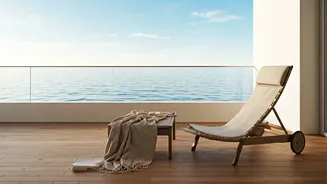
Because a long weekend trip is shorter and less expensive, the stakes are dramatically lower. You’re not investing a month’s salary and a year’s worth of anticipation into a single experience. If it rains for a day, or you pick a mediocre restaurant, it’s a minor hiccup, not a catastrophic failure. This freedom from the pressure to optimise every single moment is liberating. It allows for spontaneity. You can wake up without a rigid itinerary. You can choose to spend the entire day reading by a pool, exploring a single neighbourhood, or taking a nap. The goal shifts from ‘seeing everything’ to simply ‘being somewhere else’. This low-pressure environment is where true relaxation happens, as your brain is finally freed from the constant need to plan, execute, and evaluate.
Mastering the Art of the Clubbed Holiday
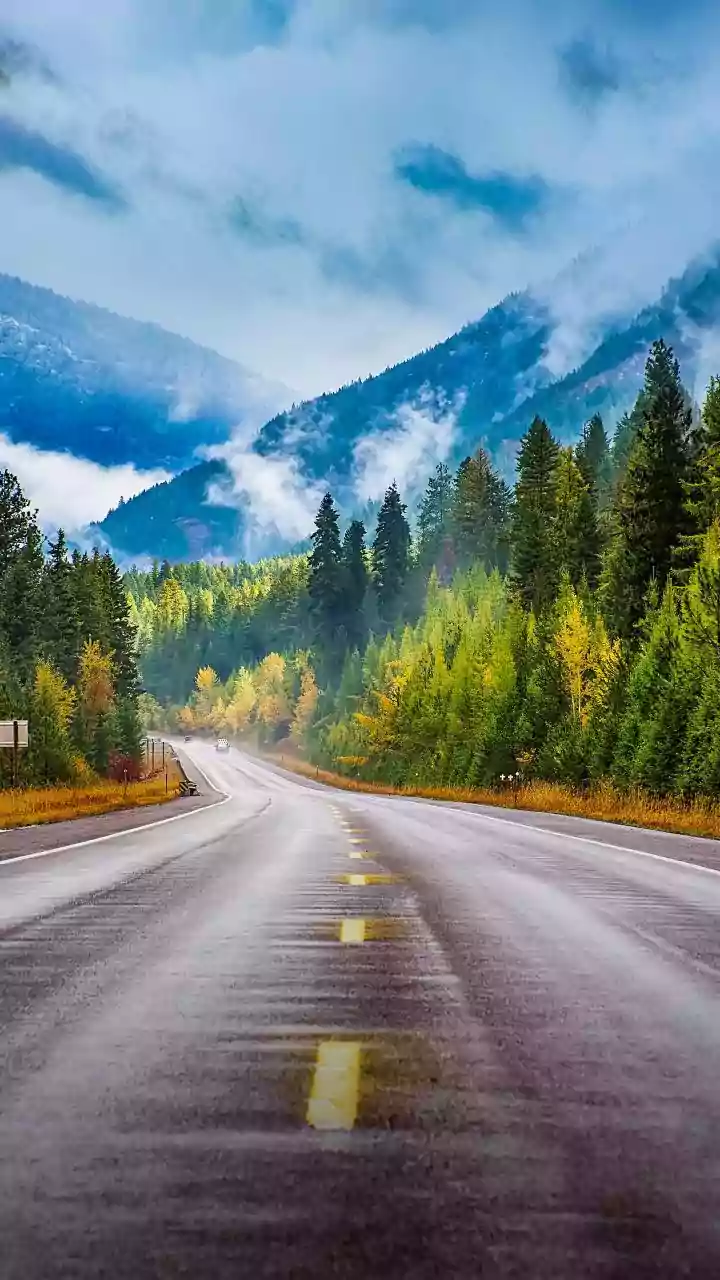
For us in India, the long weekend is a strategic art form. Our calendar is dotted with national and regional holidays that, with a little planning, become golden opportunities. A holiday falling on a Tuesday or Thursday is an invitation to ‘club’ it with the weekend by taking a single day of leave. Suddenly, a normal week in August (around Independence Day) or October (around Gandhi Jayanti) transforms into a four-day mini-vacation. This approach makes travel a regular, sustainable part of life rather than a once-a-year event. Instead of one huge, stressful trip, you can enjoy three or four smaller, more manageable breaks. This habit of frequent, short rests is far more effective at preventing burnout than letting stress accumulate for 11 months before desperately trying to undo it all in two weeks.