






Beyond the Tourist Trail
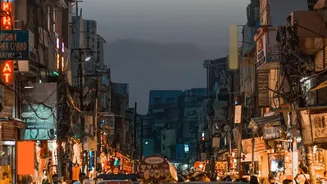
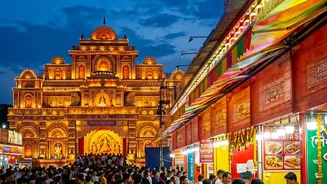
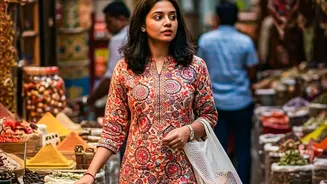
Forget stuffy museums and crowded landmarks for a moment. Imagine instead strolling through a city's hidden laneways, led by a local guide who knows every baker, cheesemonger, and street-food vendor by name. This is the essence of a culinary walking experience.
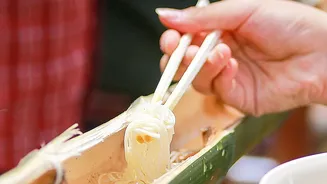
Unlike traditional tours that often keep travellers at a distance, these excursions are built around interaction. They are designed to immerse you in the local food scene, not just as a consumer, but as a curious participant. The focus shifts from passive observation to an active, sensory experience—tasting, smelling, and learning the stories behind the food you're eating. It’s sightseeing for your palate, where every bite is a new discovery.
A Hunger for Authenticity
So, why does this resonate so strongly with younger travellers? Millennials and Gen Z are increasingly driven by a desire for authentic, identity-forming experiences rather than just ticking boxes. They seek genuine engagement with local cultures and are often wary of tourist traps that feel staged or generic. Food tours provide a direct antidote to this. They offer a window into the daily life and traditions of a community, guided by a local expert who can share insights you'd never find in a guidebook. This format satisfies a core travel motivation for these generations: to feel a real connection to a place and its people, creating memories that are both meaningful and unique.
A Direct Line to the Source
The magic of these tours lies in the direct connection they forge between traveller and artisan. You’re not just buying a piece of chocolate; you’re meeting the person whose family has been making it for three generations. You're not just eating bread; you're standing in the bakery, smelling the yeast, and hearing about the local grains used. These tours are curated to include small, family-run establishments and independent producers who are the heart and soul of a region's culinary identity. This direct interaction turns a simple transaction into a rich exchange of stories and culture. Travellers gain a deeper appreciation for the craft, and vendors get to share their passion with an engaged audience.
The Economic Handshake
This connection has tangible benefits. By participating in a culinary walk, travellers directly support the local economy in a powerful way. The money spent goes straight to small businesses, helping them thrive in an often-competitive market. These tours provide a vital stream of revenue for artisans, farmers, and family-owned restaurants that might otherwise be overlooked by the average tourist. In many cases, this economic support helps ensure the survival of traditional food practices that are threatened by industrialisation. It is a form of tourism that helps sustain the very culture it seeks to celebrate, creating a positive feedback loop for the entire community.
More Than Just a Meal
Ultimately, these experiences are about more than just food; they are an act of cultural preservation. Gastronomy is a living expression of a region's history, heritage, and identity. When travellers choose to support artisanal vendors, they are helping to keep these traditions alive for future generations. They become active participants in safeguarding cultural heritage, from unique recipes to time-honoured production methods. In an increasingly globalised world, these tours celebrate what makes a place unique, fostering a deeper understanding and respect for different cultures through the universal language of food.