





A Modern Twist on a Timeless Ritual
The world of tea is experiencing a quiet revolution. Connoisseurs are moving beyond the standard teabag, seeking out the nuanced and complex flavours of high-grade, single-estate leaves. This appreciation for provenance and quality has opened the door
to new preparations, with cold brewing leading the charge. By steeping leaves in cold water over several hours, a smoother, sweeter, and less bitter brew is created. This gentle extraction method is the perfect canvas for introducing complementary flavours, allowing the delicate character of both the tea and its partners to shine without being overwhelmed by tannins.
The Elegance of Single-Estate Teas
A single-estate tea comes from one specific garden or estate, meaning its flavour profile—its terroir—is a unique expression of its soil, climate, and elevation. For a cold infusion, lighter and more aromatic teas are often ideal. Consider a first-flush Darjeeling, known for its bright, floral, and muscatel notes. Or a Nilgiri tea, which is wonderfully fragrant and crisp. When brewed cold, these teas retain their delicate aromatics, which might otherwise be lost in a hot infusion. The goal is to choose a tea with a distinct personality that can stand up to, yet harmonise with, other ingredients.
The Aromatic Power of Lemongrass and Tulsi
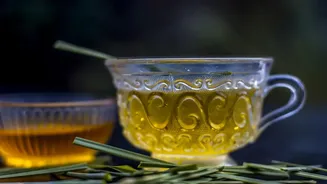
Lemongrass and Tulsi (Holy Basil) are pillars of traditional wellness in India, but their culinary attributes are just as compelling. Lemongrass offers a vibrant, citrusy aroma and a clean, grassy flavour. This is primarily due to a compound called citral, which it shares with lemon peel, but lemongrass provides this zesty note without the sharp acidity of the fruit. Tulsi, on the other hand, is more complex. It has a slightly spicy, peppery character with notes of clove and mint. This comes from compounds like eugenol (also found in cloves) and camphor. Together, they form a duo of bright top notes and warm, grounding undertones.
The Science of Flavour Synergy
The magic of this pairing lies in the principles of flavour harmony and contrast. The bright, clean citral from lemongrass lifts and accentuates the delicate floral or fruity notes of a high-quality tea, creating a refreshing and invigorating profile. It cuts through the richness and adds a layer of zest. Meanwhile, Tulsi provides a contrasting depth. Its warm, slightly spicy notes create a complex middle palate and a lingering, satisfying finish. It grounds the citrusy brightness of the lemongrass, preventing the combination from tasting one-dimensional. Because cold brewing extracts fewer bitter catechins from the tea leaves, there's a beautiful clarity on the palate, allowing this intricate dance of flavours to be fully appreciated.
Crafting Your Perfect Cold Infusion
Creating this sublime beverage at home is surprisingly simple. You don't need fancy equipment—just a large jar or pitcher, good quality water, and your chosen ingredients. Start with a ratio of about 10 grams of loose-leaf tea to 1 litre of cold, filtered water. To this, add one stalk of fresh lemongrass, lightly bruised to release its oils, and a small handful of fresh Tulsi leaves (around 10-15). Stir gently, cover, and place in the refrigerator for 8 to 12 hours. The exact time will depend on the tea and your personal preference, so feel free to taste it along the way. Once steeped, strain the mixture and serve over ice. For an extra touch, garnish with a fresh sprig of Tulsi or a thin wheel of lime.