

Choose the Right Plant for Your Space
The single most important decision is choosing a plant that suits your balcony's specific conditions. Many gardening failures happen before the plant even comes home. Before you buy, observe your balcony. Does it get scorching afternoon sun or gentle
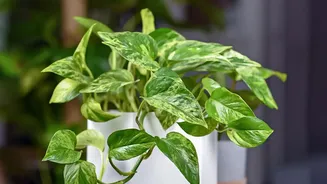
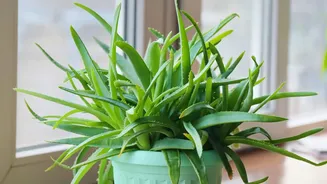
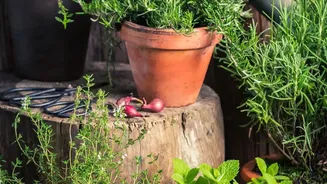
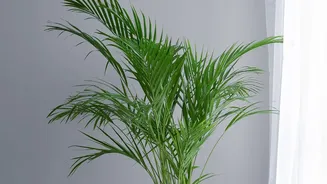
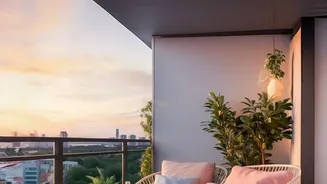
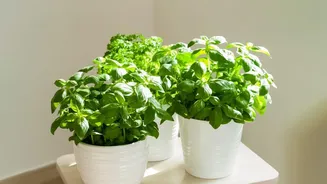
morning light? Is it windy? A south-facing balcony is perfect for sun-lovers like bougainvillea, hibiscus, and herbs like tulsi. An east-facing one suits mint and some flowers, while a shadier north-facing balcony is better for foliage plants like the snake plant or areca palm. Choosing a plant that naturally thrives in your given light and wind conditions solves half your problems from the start. For Indian climates, hardy options like marigolds, curry leaf plants, and money plants are excellent, low-fuss choices for beginners.
Master the Art of Watering
The most common mistake in container gardening is overwatering. In a pot, excess water has nowhere to go, leading to root rot and yellowing leaves. Instead of watering on a rigid schedule, use the 'finger test': poke your finger about an inch into the soil. If it feels dry, it's time to water; if it's damp, wait another day. When you do water, do it thoroughly until water runs out of the pot's drainage holes. This encourages deep root growth. Plants in balcony pots can dry out faster due to sun and wind exposure, so checking them is crucial, especially in hot weather. Watering early in the morning or in the evening is best, as it reduces evaporation and allows the plant to absorb moisture effectively.
The Foundation: Good Soil and the Right Pot
For a plant living in a container, soil is its entire world. Never use heavy garden soil or topsoil in pots; it compacts easily, suffocates roots, and drains poorly. Always opt for a lightweight, well-aerated 'potting mix'. A good mix, often containing ingredients like coco coir, compost, and perlite, holds moisture without becoming waterlogged and provides essential nutrients. The pot itself is just as critical. Ensure it has drainage holes at the bottom. Without them, water will stagnate and kill the plant. The size of the pot also matters; a pot that is too small restricts root growth, while one that is too large can hold too much moisture. Start with a pot that gives the plant's root ball a couple of inches of space to grow.
Maximise Your Limited Space
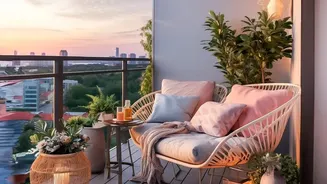
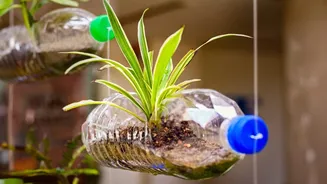
A small balcony doesn't mean a small garden. The key is to think vertically. Using hanging pots, wall-mounted planters, railings, and tiered ladder shelves can dramatically increase your growing area without cluttering the floor. This approach not only allows you to have more plants but also creates a lush, layered look. You can grow climbers like the money plant on a trellis to create a green privacy screen, or hang baskets of flowering plants to add colour at eye level. Mixing plant heights and textures makes the space feel more dynamic and full. Even a simple arrangement of different-sized pots can create visual interest and make your small space feel like a planned, intentional garden.
Keep It Simple and Consistent
A thriving balcony garden doesn't require complex routines, but it does need consistency. It's better to start small with just three to five easy plants you can manage, rather than getting overwhelmed with too many at once. Get into the habit of checking your plants for a few minutes each day. Look for signs of thirst, check for pests, and remove any yellowing leaves. This regular attention helps you catch problems early. Plants in pots deplete nutrients faster than those in the ground, so a simple monthly feed with a balanced liquid fertiliser or some vermicompost during the growing season can make a huge difference. The goal is to create a simple, repeatable routine that fits into your life, turning plant care from a chore into a rewarding daily ritual.