




Understanding the Fabric Fundamentals
Before diving into specific materials, it's helpful to know what properties to look for. Beyond colour and texture, the most important characteristics are breathability, durability, and care requirements. Breathability is a fabric's ability to allow air
and moisture to pass through, keeping you cool and comfortable. Durability refers to how well a fabric withstands wear, tear, and friction. Finally, considering the care instructions is crucial; some fabrics require delicate hand-washing or dry cleaning, while others are machine-washable and low-maintenance. Balancing these factors will help you select a garment that fits your lifestyle.
Natural Fibres: The Classics
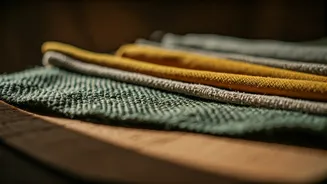
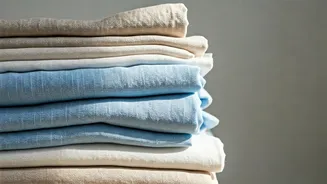
Natural fibres come from plants and animals and are often prized for their comfort and breathability. Cotton is the most common, known for being soft, versatile, and absorbent, making it ideal for everyday wear like t-shirts. However, it can wrinkle easily and takes a while to dry. Linen, made from the flax plant, is exceptionally lightweight and breathable, perfect for warm weather, but it is notorious for wrinkling. Wool is an excellent insulator, providing warmth and resisting wrinkles, making it a go-to for sweaters and suits. Silk, known for its smooth texture and luxurious sheen, is a strong yet delicate fabric often used for formalwear.
Synthetic Fibres: Performance and Practicality
Synthetic fabrics are manufactured through chemical processes and offer unique performance benefits. Polyester is incredibly durable, wrinkle-resistant, and quick-drying, which is why it's a staple in activewear. Its main downside is lower breathability compared to natural fibres. Nylon is another strong, lightweight, and water-resistant synthetic, commonly found in swimwear and outerwear. Rayon is a semi-synthetic fibre made from wood pulp that is soft, breathable, and drapes well, often used as a more affordable alternative to silk. Many modern garments use blended fabrics, combining natural and synthetic fibres to get the best of both worlds—like the softness of cotton with the durability of polyester.
The Rise of Sustainable Choices
Making eco-conscious choices is easier than ever as more sustainable fabrics become available. Organic cotton is grown without harmful pesticides and uses less water than its conventional counterpart. Recycled polyester, made from plastic bottles, helps reduce waste and conserves resources. Other notable options include Tencel (Lyocell), a biodegradable material made from wood pulp, and hemp, a durable plant fibre that requires minimal water and no pesticides to grow. When shopping, look for certifications like GOTS (Global Organic Textile Standard) to verify a fabric's sustainable claims.
Tech to the Rescue
The promise of making fabric selection easier is now being realized through technology. Innovations in AI and 3D design are transforming how brands create clothing. Professional design platforms like CLO 3D and Style3D allow designers to simulate how different fabrics will drape and move before a single stitch is sewn, leading to better-designed garments from the start. For consumers, this translates to more information and better products. While a single app that tells you everything about a fabric is still emerging, brands are increasingly providing more detailed information online, empowering shoppers to make more informed decisions about fabric performance and sustainability.