



More Than a Trend, a Tradition Reimagined
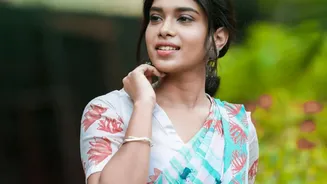
Upcycling is deeply rooted in Indian culture, where reusing and repairing has always been a way of life. Today, young designers and DIY enthusiasts are embracing this philosophy, not just out of necessity, but as a form of creative expression and sustainable
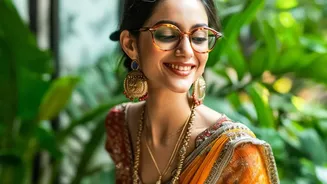
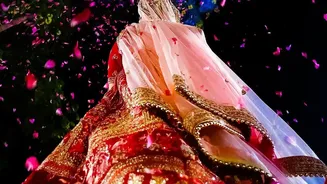
fashion. Transforming a mother's wedding Banarasi or a grandmother's Kanjeevaram is about honouring the past while creating something uniquely personal. This movement combines the emotional weight of an heirloom with the chic appeal of a contemporary silhouette, resulting in one-of-a-kind festive outfits that tell a story. It's a conscious choice against fast fashion, celebrating longevity and personal history in every thread.
The Classic Lehenga or Skirt Set
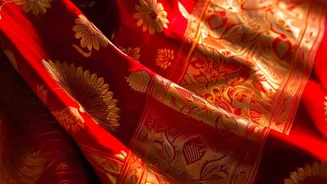
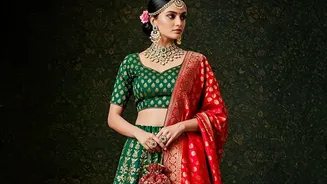
One of the most popular ways to upcycle a heavy silk saree is by turning it into a gorgeous lehenga or a flowing skirt. Richly woven sarees like Banarasi, Paithani, or Kanjeevaram are perfect for this transformation due to their structure and opulent look. The body of the saree can be stitched into a panelled or umbrella-cut skirt, while the intricate pallu is often used to create a statement blouse or a stylish dupatta. For a modern twist, pair the finished skirt with a contrasting silk crop top or a simple, elegant blouse, letting the rich fabric of the saree remain the centrepiece. Even if the saree is damaged in some parts, the pristine sections can be salvaged for a stunning festive ensemble.
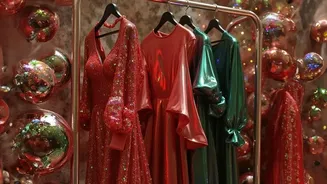
Chic Anarkalis and Flowing Dresses
The generous length of a saree makes it an ideal candidate for a floor-sweeping Anarkali suit or a graceful maxi dress. Softer silks, georgettes, and even cotton handloom sarees can be repurposed into these elegant silhouettes. The saree’s border can be cleverly used along the hemline, neckline, or sleeves of the new garment, giving it a polished, designer feel without extra embellishment. The pallu, often the most decorative part, can become the yoke of the Anarkali or a featured panel on the dress, ensuring no part of the precious textile goes to waste. This is a fantastic way to create a complete outfit from a single saree.
Modern Co-ords and Sharara Sets
For those with a flair for contemporary fashion, a heritage saree can be reinvented as a trendy co-ord set or a sharara. A heavily embroidered saree can be tailored into elegant sharara pants, with the pallu used for the kurti or top. Lighter fabrics like crepe and georgette are excellent for creating flowing palazzo pants paired with a matching short kurta. Another stylish option is crafting a crop top and matching trousers or a skirt, creating a coordinated set that is perfect for festive parties and gatherings. These modern interpretations are a testament to the versatility of the six-yard drape.
Stylish Jackets and Capes
An Indo-western jacket or cape made from a vintage saree can instantly elevate any outfit. Brocade or thick silk sarees are particularly well-suited for creating structured jackets that can be worn over plain kurtas, dresses, or even jeans. The border can be used to detail the collar and front edges, adding a touch of ethnic flair. For a more fluid look, a lightweight chiffon or georgette saree can be transformed into a breezy cape, perfect for layering during festive evenings. This approach allows you to incorporate a piece of your heritage into your everyday modern wardrobe.
Finishing Touches: Accessories and More
Even if a saree is too worn to be converted into a full outfit, its most beautiful parts can live on as accessories. The rich pallu or zari border can be fashioned into elegant potli bags, clutches, or fabric belts. Smaller fabric scraps can be turned into scrunchies, headbands, or decorative tassels. Some are even framing particularly artistic pallus as wall art, preserving the textile as a piece of family history. These small projects are a wonderful way to hold on to the sentiment of an heirloom while practising sustainability.