




Why Are Prices on the Rise Again?
The primary reason cited by automakers is a familiar one: rising costs. Companies are pointing to sustained inflationary pressures, which increase their day-to-day operational expenses. More specifically, the cost of raw materials and commodities essential
for manufacturing remains high. This includes everything from steel and aluminium to the precious metals used in components and the rising expense of EV batteries. Geopolitical and macroeconomic uncertainties are also mentioned as contributing factors that add pressure on supply chains and overall costs, forcing manufacturers to pass a portion of this burden onto customers.
Which Major Brands Are Affected?
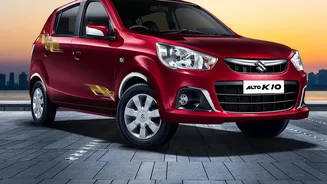
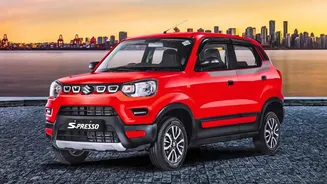
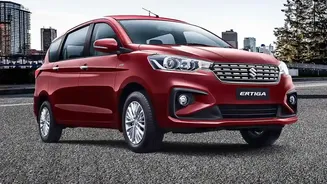
So far, three of India's biggest players have confirmed price revisions. Tata Motors announced an increase across its entire passenger vehicle range, including both internal combustion engine (ICE) and electric vehicle (EV) models. Hyundai Motor India will also implement a price hike across its full portfolio. These two follow on the heels of the country's largest carmaker, Maruti Suzuki, which already implemented a price increase across its Arena and Nexa models in August. These moves indicate a widespread industry trend rather than an isolated decision by one company. For many of these brands, this is the second or even third price increase in 2026 alone.
How Much More Will You Pay?
The price hikes are not uniform and will vary depending on the specific model and variant. Tata Motors has stated its increase will be up to ₹25,000. This means while some models may see a smaller revision, others could get dearer by the full amount. Hyundai has announced a more straightforward increase of up to 1% across its lineup. For a car priced at ₹10 lakh, this could mean an increase of up to ₹10,000. Maruti Suzuki's August hike was the most varied, ranging from ₹2,500 on entry-level models to as much as ₹30,000 on popular cars like the Baleno. Manufacturers are strategically adjusting prices to maintain the value proposition of each vehicle.
The Dilemma: Buy Now or Wait for Festive Deals?
The timing of these hikes, right before the traditionally strong festive season, puts buyers in a tricky position. Purchasing a car before September 1 guarantees you avoid the announced price increases from Tata and Hyundai. If you have already finalized your choice and arranged financing, locking in the current ex-showroom price is the most straightforward way to save money. However, the festive period from October onwards is famous for attractive dealer discounts, exchange bonuses, and special financing offers. The question is whether those future deals will be substantial enough to offset the newly increased base price of the vehicle. Waiting could be a gamble; you might secure a good festive offer, but you will be negotiating on a higher sticker price.
Your Action Plan Before September
If you are serious about buying a car from one of the affected brands, the next week is crucial. Start by visiting dealerships immediately to confirm current on-road prices and availability. Ask specifically if they can guarantee invoicing before the price hike takes effect. Some dealers may have existing stock they are willing to sell at pre-hike prices to meet month-end targets. Be prepared to be flexible on colour or variant choices to secure a car that is readily available. For those who were already on the fence, this news serves as a clear deadline. Weigh the guaranteed savings of buying now against the potential, but uncertain, benefits of festive season discounts later in the year. The one thing that seems certain is that waiting will mean paying a higher base price.