







The Journey to Ancient Marvels
Embarking on a journey to the Ajanta and Ellora caves is like stepping into a different era. These UNESCO World Heritage sites, located in Maharashtra, represent some of the finest examples of ancient Indian rock-cut architecture. For many travellers,
planning the logistics can be daunting, which is where packages like those offered by IRCTC come in. These tours typically handle transportation and accommodation, bundling sites like Shirdi, Shani Shingnapur, and the caves into a multi-day itinerary. While the exact details can vary, the core of the experience remains the visit to two of the most breathtaking archaeological sites in the world. The convenience of a pre-planned tour allows visitors to focus less on travel arrangements and more on the awe-inspiring art and history that awaits them. The tours generally originate from various cities and may use a combination of trains and road transport to cover the destinations.
Ajanta: A Gallery of Ancient Paintings
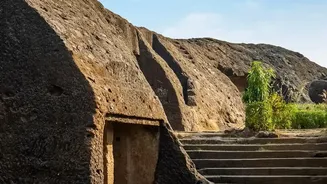
The first major stop on this historical circuit is often the Ajanta Caves, a series of 30 rock-cut Buddhist monuments carved into a horseshoe-shaped cliff overlooking the Waghora River. Dating from the 2nd century BCE to about 480 CE, these caves served as monasteries (viharas) and prayer halls (chaityas). What makes Ajanta truly exceptional are its murals—the finest surviving examples of ancient Indian painting. These artworks vividly depict the Jataka tales, which are stories about the previous lives of the Buddha. As you walk through the dimly lit caves, the walls come alive with processions, royal courts, and scenes of daily life from two millennia ago. For those on a tight schedule, Caves 1, 2, 16, and 17 are considered to have the most exquisite and well-preserved paintings. Cave 1 is particularly famous for its mural of Bodhisattva Padmapani, an image that has become an iconic symbol of Indian art. Cave 26 is also a highlight, housing a large and impressive sculpture of the reclining Buddha.
Ellora: A Symphony of Carved Rock
Located about 100 kilometres from Ajanta, the Ellora Caves are a testament to religious harmony, featuring an incredible collection of 34 caves with Hindu, Buddhist, and Jain monuments built between 600 and 1000 CE. Unlike Ajanta's focus on painting, Ellora's genius lies in its monumental sculpture. The undisputed masterpiece and centerpiece of Ellora is Cave 16: the Kailasa Temple. It is the world's largest single monolithic excavation, an entire temple complex carved top-down from a single piece of rock. Dedicated to Lord Shiva, this chariot-shaped monument is a marvel of engineering and artistry that took centuries to complete. Beyond the Kailasa Temple, other notable stops include the Buddhist Cave 10 (Vishvakarma Cave), a grand prayer hall with a 15-foot statue of Buddha, and the Jain Cave 32 (Indra Sabha), which features intricate carvings. The proximity of temples from three different faiths illustrates the religious tolerance that existed in ancient India.
Practical Tips for Your Visit
While an IRCTC tour package simplifies many aspects of the trip, there are a few things to keep in mind. These tours generally cover travel and hotels, and often include some meals. However, expenses like monument entry fees, charges for local guides, and personal shopping are typically not included. It is wise to carry cash for these smaller expenses. Both sites require a significant amount of walking, so comfortable footwear is essential. The best time to visit is between October and March, when the weather is cooler and more pleasant for exploring. The tours often include stops at other significant sites like the Grishneshwar Jyotirlinga Temple, one of the 12 sacred Shiva shrines located near Ellora, and Bibi-Ka-Maqbara in Aurangabad. By understanding the inclusions and preparing for the on-ground realities, you can ensure a smooth and deeply rewarding journey through centuries of Indian heritage.