



The future of Indian retail is being written in a new geography. Beyond the saturated metros, a quiet revolution is underway in smaller towns and cities, where brands are finding a vast, untapped market of aspirational consumers.
The New Epicentre of Growth
For decades, the story
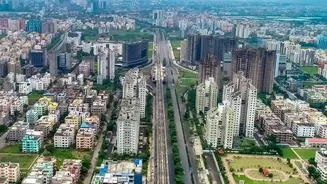
of Indian retail was centred on its major metropolitan hubs. But as these markets become more crowded and competitive, brands are discovering that the real growth engine now lies in Tier-2, Tier-3, and even smaller towns. Data consistently shows that consumption growth in rural and semi-urban India is outpacing that of the big cities. Reports from 2025 noted that rural markets showed faster volume growth than urban ones for several consecutive quarters, signalling a sustained trend. This shift is powered by rising household incomes, better infrastructure, and a narrowing urban-rural consumption gap, turning once-overlooked locations into fertile ground for retail expansion.
From E-commerce Carts to Brick-and-Mortar Stores
The digital boom laid the groundwork for this retail transformation. With internet and smartphone penetration soaring in non-metro areas, consumers were exposed to national and global brands like never before. E-commerce platforms became the first point of contact, creating a latent demand for physical brand experiences. Data shows that cities beyond the top tiers already account for over 60% of e-commerce transactions, demonstrating a digitally savvy and aspirational consumer base. This online activity has given brands the confidence to invest in physical stores, moving from digital discovery to tangible, local outlets that serve as both shopping and entertainment destinations.
Big Brands Make Their Move
It's not just local players benefiting from this shift; major national and international brands are aggressively expanding their footprints. Companies like Zara, H&M, Starbucks, and Nike are increasingly opening outlets in cities such as Jaipur, Lucknow, Chandigarh, and Coimbatore. Jewellery brands like Tanishq and CaratLane have also found significant success by expanding into smaller markets, often seeing better performance than in older metro stores. Even luxury labels are testing the waters, using private client services and digital channels to engage with affluent customers in cities like Ahmedabad and Surat. This influx is supported by the development of high-quality mall spaces, which are projected to add 25 million square feet of retail area in Tier II and III cities in the coming years.
A 'Glocal' Strategy for Success
Success in these new markets isn't about simply copying and pasting a metro strategy. Winning brands understand the need for a 'glocal' approach—thinking globally but acting locally. This means tailoring product assortments, store sizes, and marketing to regional tastes and affordability. For instance, some FMCG brands drive growth with smaller, more affordable pack sizes that cater to local purchasing habits. Similarly, fashion and lifestyle brands are learning that while aspirations are universal, preferences for design, colour, and fit can be highly regional. Retailers are realizing that value for money is a key consideration, even as consumers seek premium products. The brands that thrive are those that respect local culture while offering a modern, organized retail experience.
The Ripple Effect on Local Economies
The arrival of organized retail has a profound impact on the local ecosystem. The most immediate effect is job creation, not just within the stores but also in logistics, supply chain management, and ancillary services. This formalizes the local economy and provides new career opportunities. Furthermore, the development of new malls and high-street retail spaces boosts the local real estate market and encourages further infrastructure investment. For consumers, it means access to a wider variety of products and a better shopping experience, which were previously only available in larger cities. This trend signifies more than just commercial expansion; it represents a deeper economic integration of India's heartland into the national consumption story.