





Beyond the Familiar Coastline
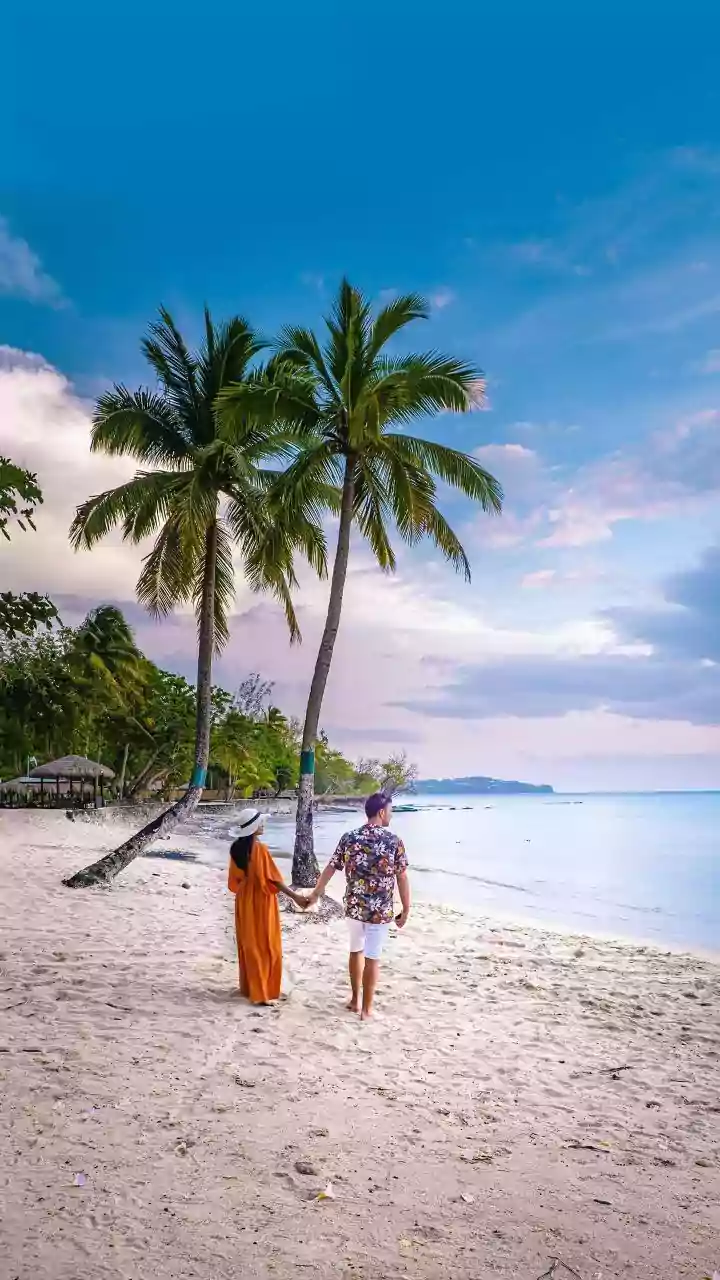
For decades, Goa has been synonymous with sun, sand, and sea. The coastal belt, from the bustling markets of Anjuna to the tranquil shores of Palolem, has defined the state's tourism identity. This classic Goan experience, built around beach shacks, water
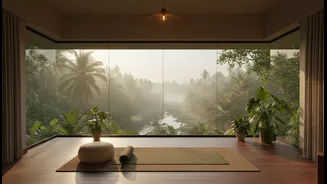
sports, and vibrant parties, has drawn millions. Yet, a subtle but significant shift is underway. An increasing number of young, discerning travellers are turning their backs on the familiar coastline and venturing inland. They are seeking something more than a fleeting party; they are in pursuit of 'susegad' – the unique Goan concept of a relaxed, contented life.
The Rise of the 'Slow Travel' Mindset
This movement is part of a broader trend known as slow travel. Unlike a conventional holiday packed with back-to-back sightseeing, slow travel prioritises depth over distance. It's a mindset focused on connection—with the local culture, the natural environment, and oneself. Travellers, particularly Gen Z and millennials, are increasingly trading hectic itineraries for longer, more immersive stays. This approach allows them to move beyond being a mere tourist and instead experience a place like a temporary local. The desire is no longer to just see a place, but to understand it, from its culinary traditions to its daily rhythms. This shift is driven by a quest for authenticity and a reaction against the burnout of fast-paced modern life.
Why the Goan Hinterlands?
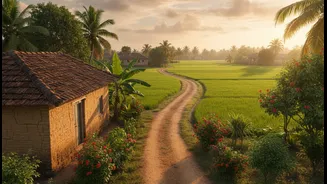
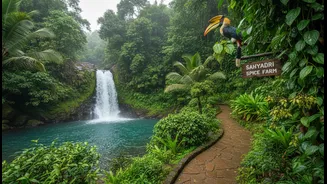
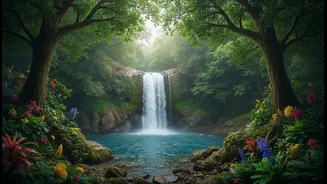
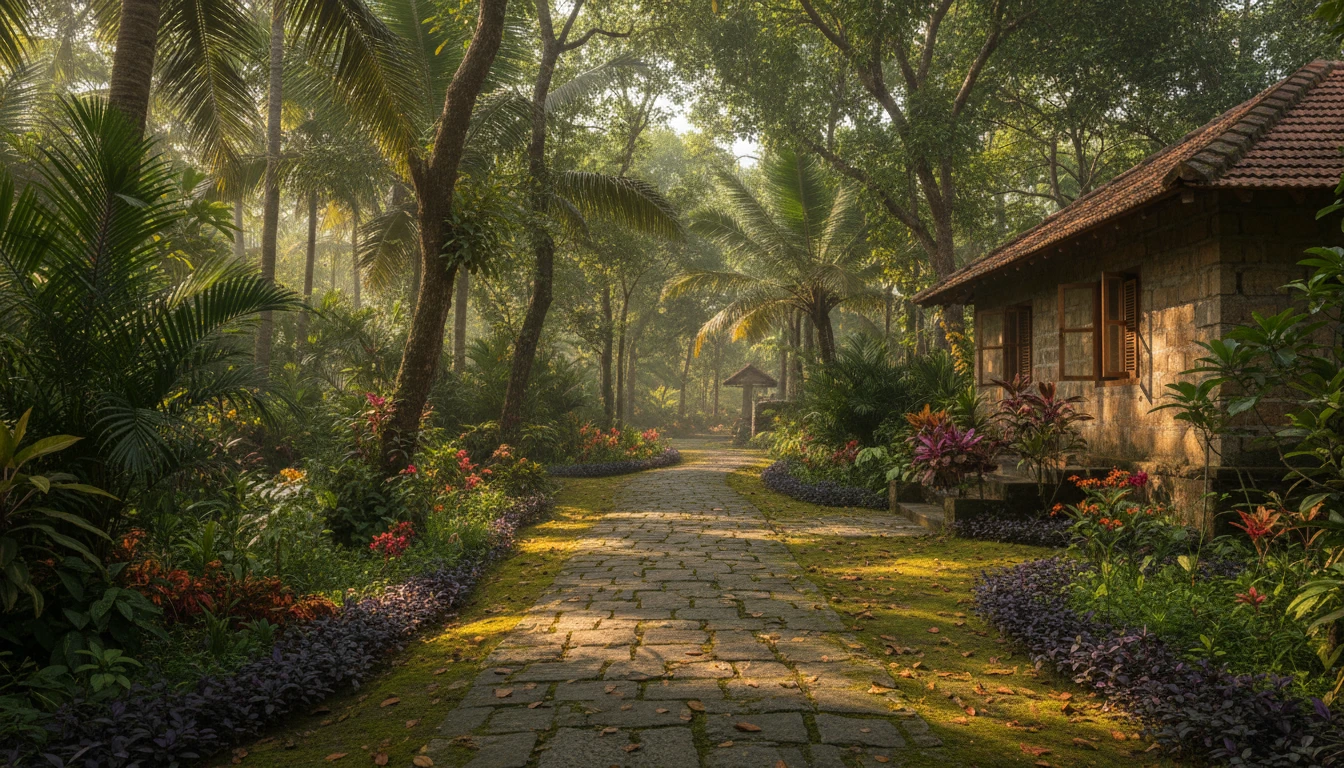
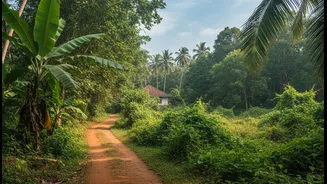
Goa's interior offers the perfect canvas for this new travel philosophy. Away from the coastal crowds, the hinterlands unfold into a landscape of verdant paddy fields, dense spice plantations, serene rivers, and hidden waterfalls. Villages like Aldona, with its charming Portuguese-era houses, and islands like Divar and Chorão on the Mandovi river, offer a glimpse into a Goa that has remained untouched by commercial tourism. Here, the pace of life is dictated by the seasons, not by tourist schedules. This tranquil environment provides a stark contrast to the high-energy vibe of the beaches, appealing to young travellers seeking genuine relaxation and a digital detox. The state government is also recognising this potential, actively promoting hinterland and eco-tourism to offer a more diverse Goan experience.
A New Kind of Itinerary
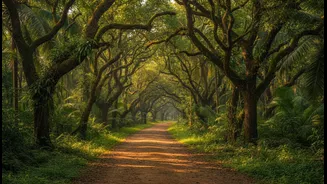
So, what does a slow holiday in the Goan interior look like? It's less about a checklist and more about spontaneous discovery. Days might be spent kayaking through mangrove-lined backwaters, spotting crocodiles and exotic birds. It could involve taking a leisurely cycle tour through the sleepy lanes of Divar Island, where vintage homes and historic churches tell stories of a bygone era. Other popular activities include visiting spice farms to learn about local agriculture, taking a cooking class to master Goan cuisine, or exploring the colourful Latin Quarter of Fontainhas in Panjim at a relaxed pace. Accommodation, too, reflects this shift, with many opting for heritage homestays and boutique properties in refurbished Portuguese mansions, offering a more intimate and authentic experience than large resorts.
The Future of Goan Holidays
This trend is more than just a fleeting preference; it signifies a maturing of the Indian traveller. Young people today are more conscious of their environmental footprint and are seeking sustainable travel options that support local communities. They are also placing a higher value on wellness and mental peace, making the restorative calm of the countryside more appealing than ever. While the beaches will always be a part of Goa's identity, this growing embrace of the hinterlands suggests a more balanced and sustainable future for tourism in the state. It proves that Goa’s true treasure lies not just on its golden shores, but in the quiet, soulful heart of its villages.