







The Allure of the Clock
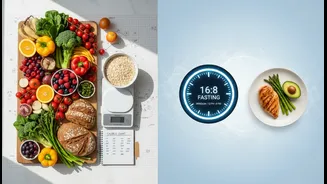
Unlike traditional diets that focus on what you eat, intermittent fasting is all about when you eat. The methods vary, from the popular 16:8 approach (fasting for 16 hours and eating within an 8-hour window) to alternate-day fasting. Proponents claim
numerous benefits, including weight loss, better metabolic health, and even enhanced mental clarity. Some studies suggest fasting can increase the production of brain-derived neurotrophic factor (BDNF), a protein linked to cognitive sharpness. The appeal is obvious: a dietary strategy that seems simpler than constant calorie counting, promising significant health rewards. For many, it presents an appealing alternative to more restrictive food-based diets.
The Adherence Hurdle
While the rules seem simple, sticking to them is another matter. Long-term adherence is a challenge for any dietary change, and IF is no exception. Studies on adherence rates show a wide range, with some trials reporting dropout rates as high as 38% in an alternate-day fasting group, sometimes higher than traditional calorie-restriction diets. Key barriers identified in research are often practical and social. Social events like family dinners or after-work drinks become logistical challenges when they fall outside a designated eating window. Work schedules, especially for those with irregular hours, can also make a rigid eating schedule difficult to maintain. This friction between the diet's structure and the fluid nature of daily life is a primary reason people struggle to sustain the practice long-term.
The Unseen Mental Work
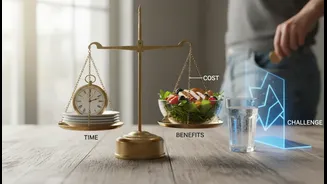
Beyond logistics, IF carries a significant mental load. This includes the constant clock-watching, planning meals to fit the eating window, and navigating social pressures. The mental energy spent resisting hunger cues or declining food can be substantial. For some, this fosters a sense of discipline, but for others, it creates a new source of stress. Initial side effects like hunger, irritability, and difficulty concentrating are common as the body adapts, though they often fade. However, the ongoing vigilance required can feel less like freedom and more like another set of rigid rules to follow, shifting the mental burden from counting calories to counting hours. A recent study found that while IF and calorie restriction led to similar weight loss, the latter group felt a greater need to consciously resist overeating, suggesting IF might feel less effortful for some.
When Fasting Becomes a Fixation
For some individuals, the restrictive nature of intermittent fasting can be a significant risk. Experts warn that dieting is a potent predictor for the development of disordered eating, and the strict rules of IF can trigger harmful behaviours. The cycle of intense hunger during a fast followed by an eating window can lead to binge-eating episodes for some people. This can create a pattern of restriction and overconsumption, accompanied by feelings of guilt and shame. Health professionals are particularly cautious about recommending IF to anyone with a history of eating disorders, as it can encourage ignoring the body's natural hunger signals and may trigger a relapse. For vulnerable individuals, the focus on rules and restriction can morph into an unhealthy obsession.
Finding a Sustainable Path
The conversation around intermittent fasting is shifting from a simple 'good or bad' debate to a more personalized one. Success isn't just about losing weight; it's about finding a strategy that is sustainable without compromising mental well-being or social connection. For some, the structure of IF provides a welcome relief from calorie counting. For others, the rigidity is a significant burden. Experts suggest that flexibility is key. Adjusting your eating window for a special occasion or choosing a less restrictive fasting schedule can make the practice more adaptable to real life. The most successful long-term fasters are often not the most rigid, but the most adaptable. Ultimately, the right approach is one that aligns with your lifestyle, social needs, and, most importantly, supports both your physical and mental health.