


An Uneven and Anxious Monsoon
The story of the 2026 southwest monsoon has been one of high drama and deep contrasts. After a delayed and weak start in June that saw a significant rainfall deficit and stalled sowing, a vigorous July brought a much-needed recovery. However, August failed
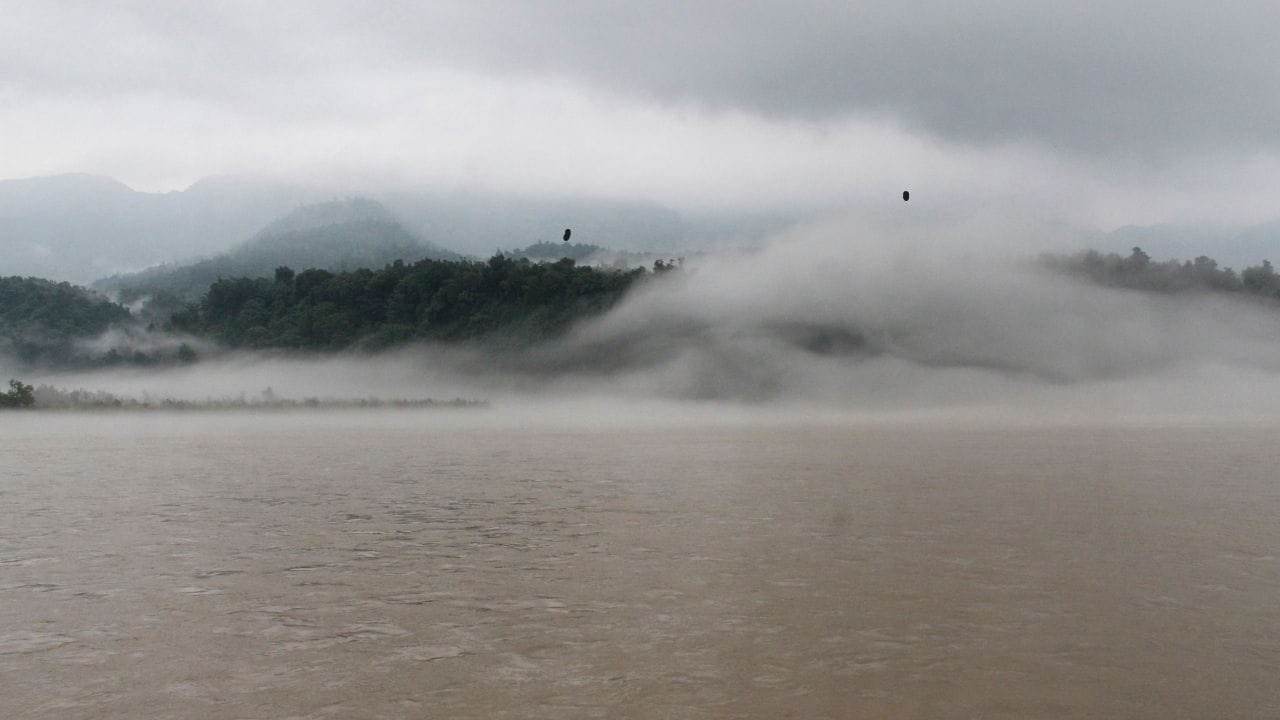
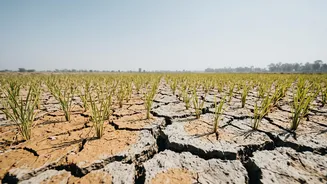
to maintain the momentum, leaving the nationwide cumulative rainfall deficit at around 13% by the end of the month. This national average conceals severe regional disparities. While some areas have seen surplus rain, others, including the crucial agricultural states of Bihar, Andhra Pradesh, and parts of Karnataka, are grappling with deficits of 40% or more. This patchiness is the new reality. Short, intense bursts of rain have caused floods in some regions, even while the broader area remains rain-deficient, a phenomenon that challenges traditional metrics of a 'good' or 'bad' monsoon.
The Vital Role of Soil Moisture
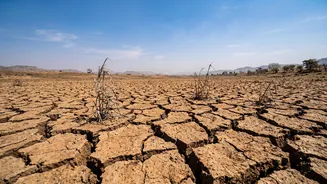
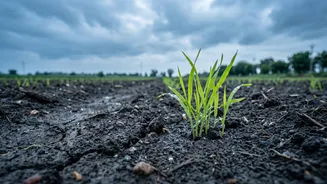
Think of soil moisture as a plant's savings account. The consistent rainfall from June to August builds up this crucial reserve in the soil. As the monsoon begins its withdrawal in September, crops in their final growth stages—particularly those in rainfed areas—draw heavily from this account to mature and develop grains. If the 'deposits' of rain have been low, the account is depleted. Late-monsoon rains are like a last-minute top-up, essential for crops to finish their growth cycle successfully. Without adequate soil moisture and a final spell of rain, plants can face stress, leading to stunted growth and significantly lower yields. This year, with overall rainfall being erratic, soil moisture levels in many key agricultural districts are already under stress, making the September rains more critical than ever.
September's Decisive Rains
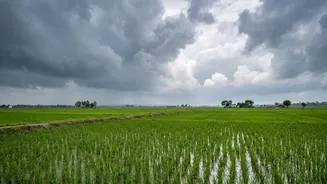
For the standing Kharif crops, September is the month of reckoning. The India Meteorological Department (IMD) and other forecasters are pointing to the formation of low-pressure systems over the Bay of Bengal, which could bring a fresh wave of rain to eastern and central India in early September. This late-season activity could be the saving grace for many farmers. For crops like paddy (rice), which are water-intensive, this final shower is essential for grain filling. However, the timing is everything. For other crops like pulses, oilseeds, and cotton that may be nearing maturity, heavy late rains can be damaging, leading to waterlogged fields and potential crop rot. Therefore, farmers are watching the skies with a mix of hope and apprehension. A good distribution of moderate rain could salvage the season; a heavy downpour could ruin the standing harvest.
Impact on Key Crops and Sowing
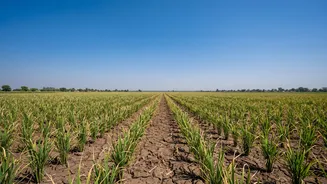
Despite the erratic weather, kharif sowing has shown remarkable resilience. After a significant lag early in the season, farmers have caught up, with the overall acreage just about 1.5% behind last year as of late August. However, the composition has shifted. The area under paddy remains down by around 3% due to rainfall deficits in key rice-growing states like Jharkhand, Karnataka, and West Bengal. Similarly, the sowing of coarse grains and maize has also seen a decline. This suggests that farmers have responded to the uncertain monsoon by possibly shifting to less water-intensive crops where feasible. The final output, however, doesn't depend on acreage alone. Yields are now entirely dependent on how the crop fares in its final month, making the late monsoon's performance the deciding factor.
The Ripple Effect on Your Plate and the Economy
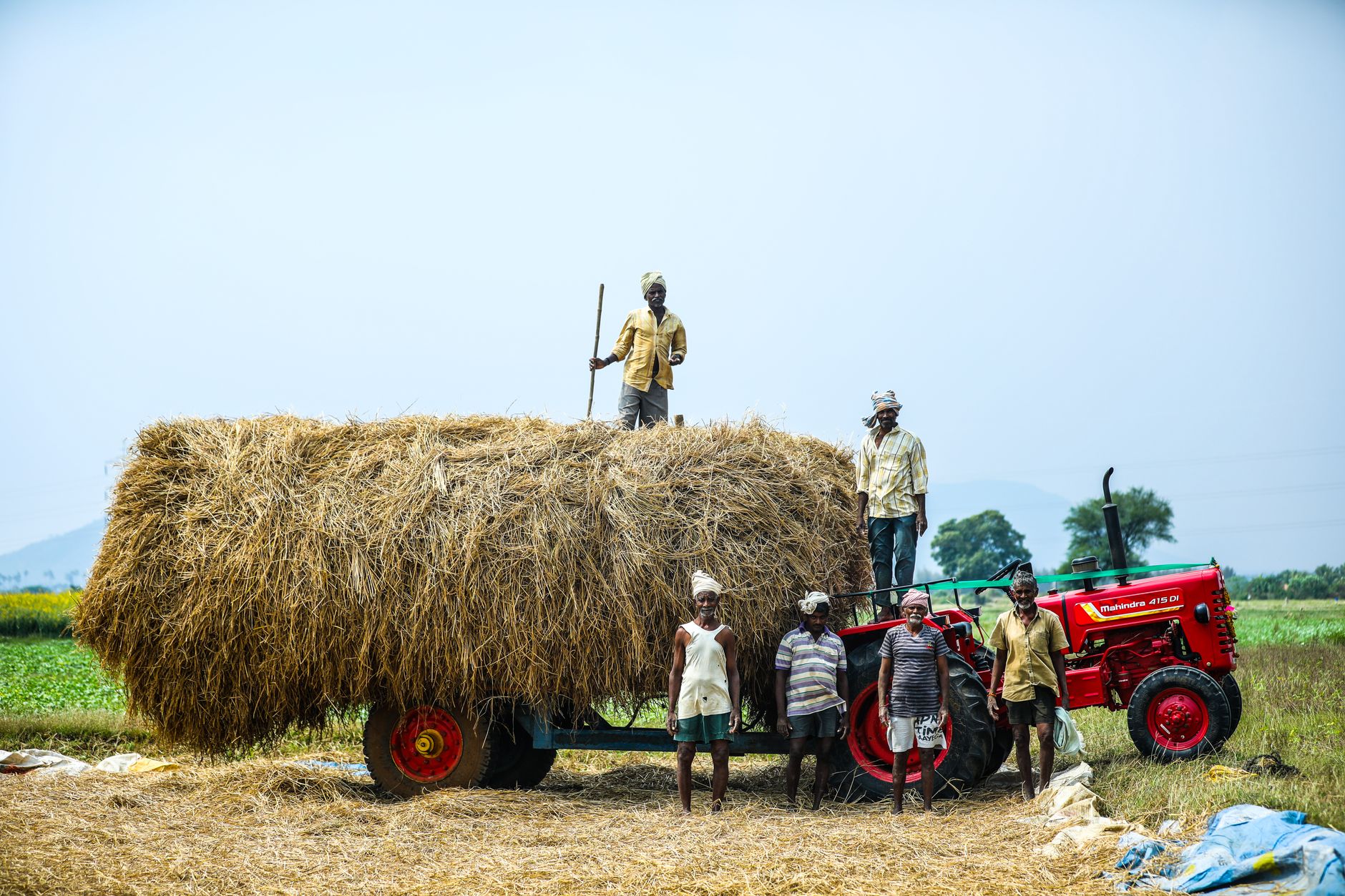
The outcome of the Kharif harvest has consequences that extend far beyond the farm gate. Agriculture is a cornerstone of the Indian economy, and a poor harvest can have a domino effect. Lower crop yields can lead to reduced supply, pushing up food prices and stoking inflation. This directly impacts the budget of every household in the country. A weak harvest also means lower farm incomes, which can dampen rural demand for goods and services, affecting numerous other industries. Furthermore, the moisture left behind by the monsoon is critical for the upcoming Rabi (winter) crop season. A dry end to the monsoon could deplete reservoir levels and leave insufficient soil moisture, jeopardizing the prospects for wheat and other essential winter crops.