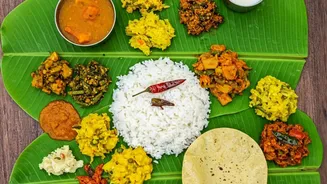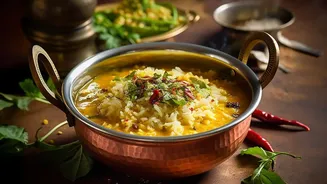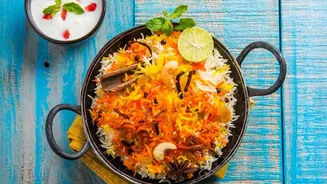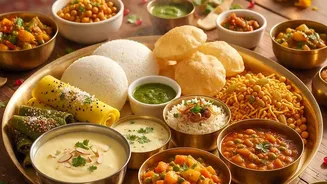




Turai Ke Chilke Ki Chutney (Ridge Gourd Peel Chutney)
Before you toss those ridge gourd peels, consider this: they can be transformed into a flavourful and spicy chutney. Commonly made in various parts of India, this dish is a prime example of nose-to-tail vegetable cooking. The tough peels are sautéed until
they soften, then ground with ingredients like coconut, garlic, green chillies, and tamarind. The result is a chutney with a surprisingly complex texture and taste that pairs beautifully with dal, rice, or as a side with snacks. It’s a rustic, sustainable, and utterly delicious way to honour an ingredient that usually ends up in the compost bin.
Kathal Ke Beej Ki Sabzi (Jackfruit Seed Curry)
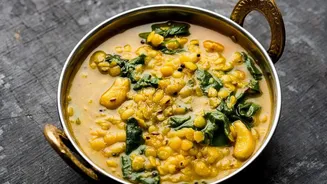
Once you’ve carved up a jackfruit, the large, starchy seeds left behind are a treasure, not trash. When boiled, peeled, and cooked into a curry, they have a texture reminiscent of chestnuts or potatoes, with a mild, nutty flavour. This sabzi is a hearty and nutritious dish, often prepared with a simple base of onions, tomatoes, and everyday spices like turmeric, coriander, and garam masala. It's a popular dish in regions where jackfruit is abundant, showcasing how byproducts of a main ingredient can be turned into a satisfying meal in their own right.
Kele Ke Thamb Ki Sabzi (Banana Stem Stir-fry)
The fibrous inner core of the banana plant stalk is an often-overlooked vegetable in many parts of India, but it's a staple in southern and eastern states. The banana stem, or 'kele ka thamb', has a crisp, watery texture and is known for its health benefits. To prepare it, the tough outer layers are peeled away, and the tender core is chopped and cooked into a 'poriyal' (stir-fry) or 'kootu' (a lentil and coconut-based stew). Often seasoned with mustard seeds, curry leaves, and grated coconut, the dish is light, crunchy, and a testament to using every part of the plantain tree.
Patra or Pathrode (Colocasia Leaf Rolls)
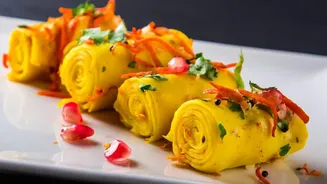
Colocasia (or taro) leaves are large, hearty greens that serve as the main ingredient for Patra, a popular snack in Gujarat and Maharashtra, also known as Pathrode in Karnataka. The leaves, which can be slightly itchy if not prepared correctly, are slathered with a spiced gram flour (besan) paste, often flavoured with tamarind, jaggery, and ginger. They are then rolled tightly, steamed, and sliced into pinwheels. These rolls can be eaten as is or pan-fried for a crispy finish. It’s a brilliant use of a leafy green that might otherwise be ignored.
Kamal Kakdi Ki Sabzi (Lotus Stem Curry)
While not exactly a scrap, the lotus stem (kamal kakdi) is an ingredient that many home cooks find intimidating due to its unique, hole-filled appearance and crunchy texture. However, this aquatic vegetable is a delicacy in many North Indian cuisines, particularly in Kashmiri and Sindhi households. Sliced into rounds, the stem reveals a beautiful, lace-like pattern. It holds its shape and texture when cooked, making it perfect for both dry stir-fries and rich gravies. Its mild flavour absorbs spices beautifully, offering a delightful crunch in every bite.
Tarbooz Ke Chilke Ki Sabzi (Watermelon Rind Curry)
That thick white rind on a watermelon, just between the red flesh and the thin green skin, is perfectly edible and delicious when cooked. Instead of being thrown out, it can be chopped up and made into a sabzi. Popular in states like Rajasthan and Gujarat, this dish transforms the bland rind into a flavourful curry. The rind's texture becomes tender when cooked, similar to a squash or gourd, and it readily absorbs the flavours of the spices it’s cooked with, such as cumin, turmeric, and dried mango powder (amchur) for a tangy kick.
Sahjan Phool Ki Sabzi (Moringa Flower Curry)
Many are familiar with drumsticks (moringa pods), but the tree's delicate white flowers are also edible and highly nutritious. In many parts of India, these flowers, known as 'sahjan ke phool', are harvested and cooked into a seasonal delicacy. The flowers have a slightly bitter taste, which is often balanced by cooking them with potatoes, peas, and a blend of spices. Preparation often involves a quick boil to reduce bitterness before they are sautéed. This dish is a beautiful example of foraging and using seasonal ingredients that are packed with health benefits.
Mahua Flower Preparations
The flowers of the Mahua tree, native to central and eastern India, are a cornerstone of tribal cuisine but are largely unknown in urban kitchens. These flowers are naturally sweet and are often sun-dried for year-round use. They can be used in a surprising variety of dishes, both sweet and savoury. From sweet 'puris' and 'kheer' to a savoury 'bhaji' or a tangy chutney mixed with tamarind, the Mahua flower is incredibly versatile. Its unique, raisin-like flavour when dried makes it a fantastic ingredient that embodies the resourcefulness of traditional Indian cooking.