





The Immediate Aftermath
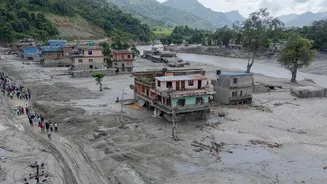
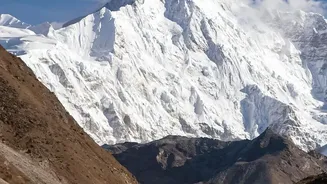
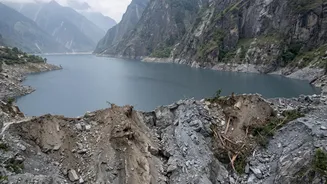
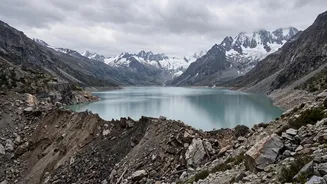
The recent flash floods in Nepal, particularly in the northern Rasuwa district around August 26, 2026, left a trail of immediate destruction. Triggered by a glacial avalanche or landslide near the Tibet border, the event caused immense damage, sweeping
away homes, bridges, and roads. Reports indicated over 160 fatalities and hundreds missing, including a number of Indian pilgrims. This acute phase of the disaster rightly captures headlines, with rescue operations and immediate relief efforts taking precedence. However, the receding waters reveal a landscape fraught with hidden and prolonged dangers.
A Public Health Crisis in Waiting
Once the floodwaters stagnate, they become a breeding ground for disease. Contaminated water sources lead to a heightened risk of waterborne illnesses like cholera, typhoid, and dysentery. The monsoon season in Nepal is already a predictable period for communicable diseases, but post-flood conditions, with displaced populations in crowded shelters and damaged sanitation facilities, dramatically increase the vulnerability of communities. Furthermore, stagnant pools of water are perfect for mosquitoes, raising the risk of vector-borne diseases like dengue and malaria, which have been spreading to new, higher-altitude areas in Nepal due to climate change.
Devastation to Agriculture and Livelihoods
For a country where agriculture is a cornerstone of the economy, the post-flood impact is crippling. The floods don't just destroy the standing harvest; they wash away fertile topsoil, leaving behind sand and debris, which can take years to recover. Recent floods have inflicted billions of dollars in agricultural losses, affecting paddy, vegetables, and livestock. This devastation threatens the food security and livelihoods of countless smallholder farmers. Many are forced to take on debt or migrate for work, creating a cycle of economic distress that lasts long after their fields have dried.
Broken Infrastructure and Economic Setbacks
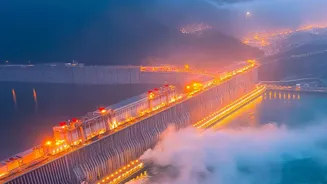
The force of Nepal's rivers, amplified by floods, wreaks havoc on critical infrastructure. Bridges are washed away, roads are destroyed, and communication links are severed, isolating entire communities. This damage severely hampers not just immediate rescue efforts but also long-term economic recovery. Hydropower projects, vital for Nepal's energy sector, are frequently damaged, causing power disruptions and significant financial losses. The cost of rebuilding this infrastructure is immense, diverting funds from other essential development projects and slowing national progress.
The Cross-Border Impact on India
Nepal's river situation is not a localized issue. As a lower riparian country, India, particularly states like Bihar and Uttar Pradesh, is directly impacted by floods in its northern neighbor. Major rivers like the Gandak and Kosi flow from Nepal into India. A flood surge in Nepal translates into rising water levels downstream, forcing Indian authorities to go on high alert and manage barrages to control the flow. The massive sediment load carried by these rivers from Nepal also gets deposited in India, altering riverbeds and exacerbating flood risks in the Gangetic plains. Therefore, effective water management and disaster preparedness in Nepal are of critical importance to India's own flood mitigation efforts.
A Permanently Altered Landscape
Perhaps the most insidious long-term threat is how major floods permanently alter the landscape. Powerful flows can change a river's course, erode banks, and deposit massive amounts of sediment, raising the riverbed. This process, known as aggradation, means that the river has less capacity to hold water in the future, making subsequent floods more likely and more severe even with normal levels of rainfall. An area that was once safe could become the new floodplain. This dynamic, shifting nature of the Himalayan rivers means that the risk profile of entire regions can change overnight, posing a continuous and evolving threat to the people who live along their banks.