



A Groundbreaking Ecological Audit
In a pioneering move, the Kerala State Biodiversity Board (KSBB) has launched India's first state-level Red List Assessment of Ecosystems. This ambitious one-year project aims to shift the focus from protecting individual species to conserving entire
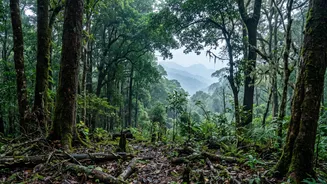
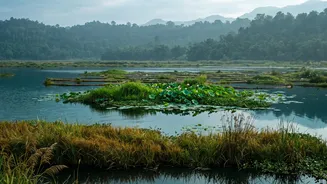
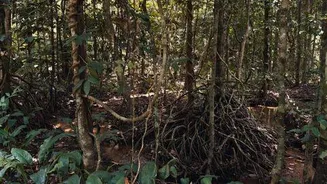
landscapes. Using the globally recognised IUCN Red List of Ecosystems framework, scientists are evaluating the risk of collapse for all of Kerala's major habitats, from high-altitude grasslands and Myristica swamps to coastal mangroves and river basins across all 14 districts. The goal is to create a detailed 'health report' that identifies habitat degradation and fragmentation, allowing for targeted conservation efforts and providing crucial data for local governments to make informed decisions.
The Pervasive Threat of Land Use Change
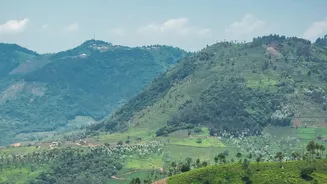
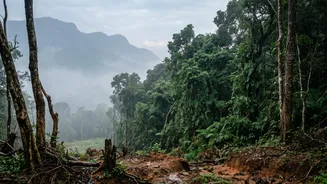
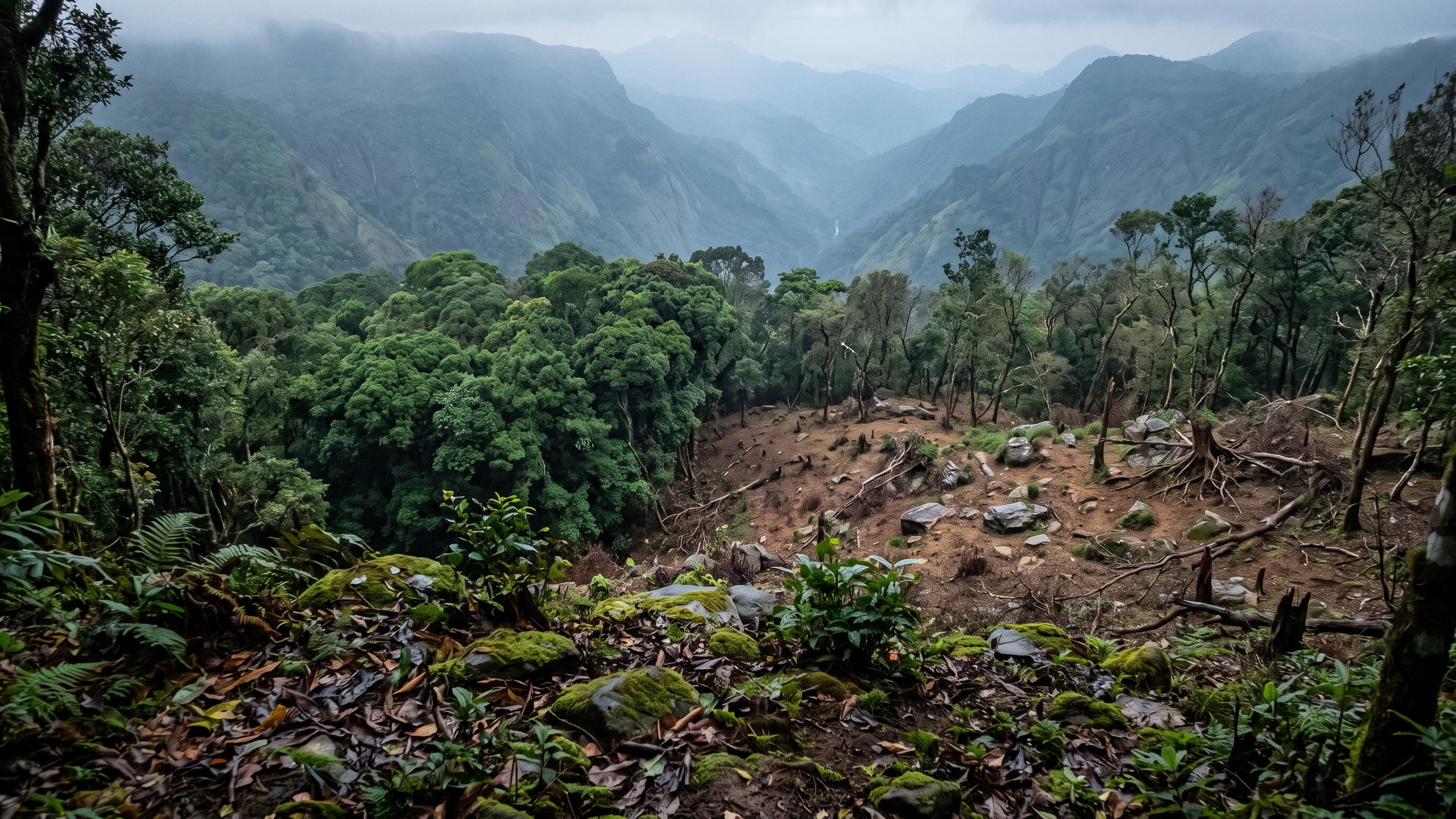
One of the most significant stressors identified by scientists is the dramatic change in how land is used. Over the past few decades, large swathes of forest and shrubland have been converted for agricultural expansion and rapid urbanisation. Studies show a startling drop in forest cover, with rice paddy cultivation decreasing while plantations of rubber, coffee, and oil palm expand. This conversion of natural habitats into monocultures or developed areas leads directly to biodiversity loss, soil erosion, and increased risk of disasters like floods and landslides. Even vital ecosystems like freshwater swamps and mangroves have been converted for crop fields, leading to the local extinction of many unique species.
The Unseen Invasion
Another critical threat is the silent creep of invasive alien species. These non-native plants and animals, often introduced for ornamental or agricultural purposes, are outcompeting local flora and fauna. Species like Lantana camara, Senna spectabilis, and Mikania micrantha are spreading rapidly through forest ecosystems, hindering the growth of native plants and altering soil chemistry. These invasions disrupt the entire food chain, impacting everything from herbivores losing their natural food sources to tribal communities who depend on forest products for their livelihood. In aquatic ecosystems, 28 invasive fish species have been documented, with the Mozambique tilapia now found in nearly all of Kerala's rivers and reservoirs.
Climate Change and Pollution's Twin Impact
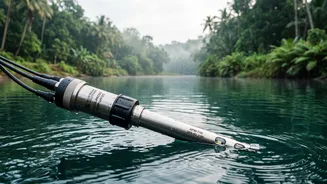
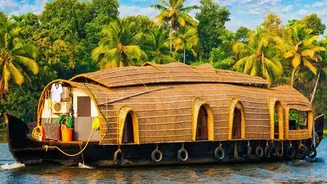
Climate change is no longer a distant threat but a present-day stressor. Extreme weather events, such as intense rainfall and prolonged droughts, are becoming more frequent, fuelling landslides and disrupting natural cycles. Rising water temperatures and changing salinity levels in coastal wetlands are impacting fish stocks and the wading birds that depend on them. Compounding this is widespread pollution. Runoff from agriculture introduces pesticides and excess nutrients into water bodies, while industrial and plastic waste degrades both land and aquatic environments. In Vembanad Lake, a major tourist hub, untreated sewage and plastic waste from houseboats have led to pollution levels that consistently exceed safe limits, threatening the entire wetland ecosystem.
A Call for Data-Driven Conservation
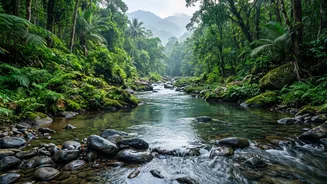
The findings from this comprehensive mapping initiative are not just a list of problems; they are a call to action. The project will produce an Ecosystem Risk Register, an atlas of ecosystem types, and priority maps for ecological restoration. This information will be integrated into state planning portals, empowering local panchayats and Biodiversity Management Committees to spearhead on-the-ground conservation. Experts have highlighted that some habitats, like the tropical riparian evergreen forests, have already lost over 80% of their extent in the last century and are considered critically endangered. By understanding the specific pressures on each ecosystem, Kerala can develop nature-based solutions to mitigate floods, enhance climate resilience, and ensure its irreplaceable natural heritage is protected for future generations.