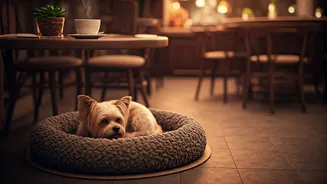









A New Culture of Companionship
Just a few years ago, the idea of taking your dog out for a coffee would have been unthinkable. Most establishments had a strict 'no pets' policy. Today, however, cafés with open arms for four-legged patrons are popping up in cities like Mumbai, Delhi,
Bengaluru, Pune, and Hyderabad. These aren't just businesses with an outdoor table or two; many are designed with pets in mind, featuring special menus, play areas, and even 'puppuccinos'. This change signals a deeper cultural shift. As urban lifestyles evolve and nuclear families become more common, pets have transformed from mere animals to cherished family members. This phenomenon, known as 'pet humanization,' is the driving force behind the demand for inclusive social spaces. A significant number of Indian pet owners now consider their pets as family, and they want to share experiences with them.
More Than Just a Coffee Break
For pet owners, these cafés offer a solution to a common dilemma: the guilt of leaving their companions at home. They provide a space for pets to socialize, which is crucial for their development, while owners connect with a like-minded community. It’s a win-win. But the appeal extends beyond pet owners. Many young people, often living in apartments with no-pet policies or having busy schedules, frequent these spots to de-stress and enjoy the therapeutic presence of animals. Some cafés even house their own resident cats and dogs, many of whom are rescues, providing a space for people to find comfort and companionship without the commitment of ownership. These establishments have become quiet sanctuaries in bustling cities, offering a dose of happiness and a break from the routine.
The Business of Barks and Brews
For restaurateurs, tapping into the pet-friendly market is a strategic move. It differentiates them from competitors and helps build a loyal customer base. Patrons with pets often stay longer and visit more frequently, knowing they don't have to rush back home. However, running a pet-friendly establishment comes with its own set of challenges. Maintaining hygiene is paramount, requiring strict and frequent cleaning protocols to manage hair, dander, and potential accidents. Ensuring the safety and comfort of all guests—both two-legged and four-legged—is another major consideration. This means training staff to handle animals, creating separate zones for pets, and establishing clear rules of etiquette for owners, such as keeping pets on a leash. Not all customers are comfortable around animals, so creating a welcoming environment for everyone is a delicate balancing act.
Paws and Good Manners
The success of these spaces depends heavily on responsible pet ownership. There's an unwritten code of conduct that ensures a pleasant experience for all. Before visiting, it's wise to ensure your pet is well-socialized and comfortable in new environments with other animals and people. Keeping them on a leash unless in a designated off-leash area is standard practice. It's also important to be mindful of other patrons and to clean up after your pet immediately. While many cafes offer a pet menu with specially curated, safe-to-eat meals, owners should always be cautious about what their pet consumes. Perhaps most importantly, it's crucial to understand that not every dog enjoys being petted by strangers, and teaching this etiquette to fellow patrons, especially children, is part of being in a shared community space.