







The Monsoon Health Challenge
The monsoon season, while beautiful, creates a perfect environment for bacteria and viruses to thrive. The increased humidity and sudden temperature drops can weaken our immune systems, making us more susceptible to common ailments like the cold, cough,
sore throat, and flu. This is why seasonal wellness practices become crucial. Instead of just reacting to illness, traditional wisdom focuses on proactively supporting the body’s natural defences. This is where kadha, a cornerstone of Indian home remedies, plays its most important role.
What Exactly Is Kadha?
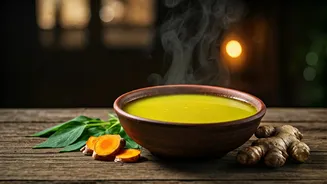
At its heart, kadha (or kashayam) is a traditional Ayurvedic decoction. It’s not tea, though it is often consumed like one. It is a simple, water-based concoction made by boiling a specific combination of herbs and spices until their potent, water-soluble essence is extracted. The ingredients are not random; each one is chosen for its specific properties that are believed to warm the body, clear congestion, and support the immune system. Think of it as your grandmother's wisdom, bottled in a warm, soothing brew, designed to combat the dampness of the monsoon.
The All-Stars of Your Kadha
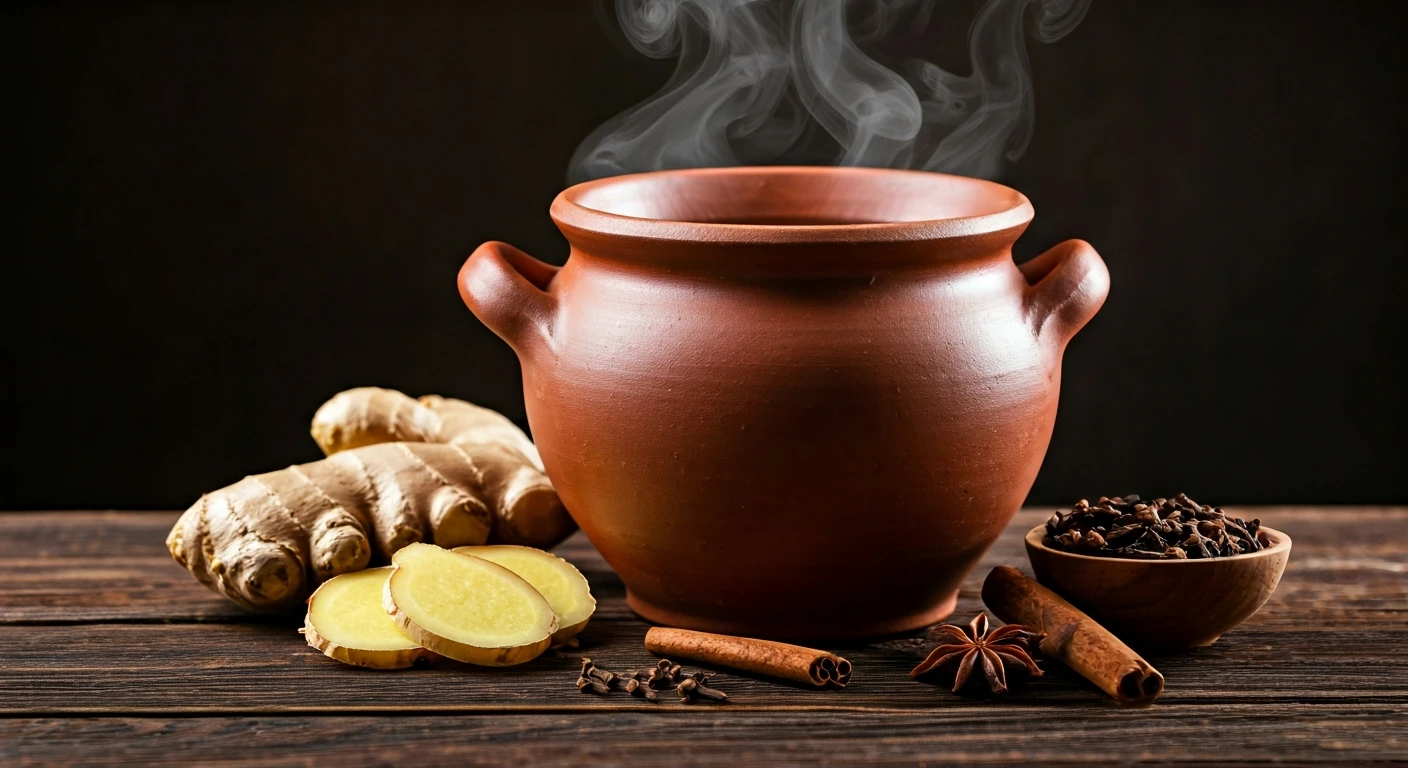
While recipes vary from one household to another, a few key ingredients form the backbone of most monsoon kadhas. Understanding their roles can help you perfect your brew. * **Tulsi (Holy Basil):** Revered in Ayurveda, tulsi is known as the “Queen of Herbs.” It is packed with antioxidants and is traditionally used to relieve coughs and colds and support respiratory health. * **Adrak (Ginger):** This pungent root is a powerhouse. Its active compound, gingerol, has powerful anti-inflammatory and antioxidant effects. It’s a classic remedy for soothing sore throats and fighting nausea. * **Kali Mirch (Black Pepper):** More than just a seasoning, black pepper contains piperine, which is believed to help clear congestion and improve the bioavailability of other ingredients, like turmeric. * **Laung (Cloves):** These tiny flower buds are rich in antioxidants and have antiseptic properties, making them excellent for soothing a scratchy throat. * **Dalchini (Cinnamon):** Known for its warming properties and sweet aroma, cinnamon is also believed to have antibacterial qualities, making it a valuable addition during the flu season.
A Classic Homemade Kadha Recipe
Ready to brew your own wellness potion? This basic recipe is a great starting point. You can adjust the quantities based on your taste and what you have available. **Ingredients:** * 2 cups of water * 4-5 tulsi leaves * 1-inch piece of ginger, freshly grated * 3-4 black peppercorns, coarsely crushed * 2 cloves * A small piece of cinnamon stick * 1 teaspoon of honey or jaggery (add at the end) **Instructions:** 1. In a saucepan, add the water, tulsi leaves, grated ginger, crushed peppercorns, cloves, and cinnamon. 2. Bring the mixture to a boil over medium heat. 3. Reduce the heat and let it simmer for 10-15 minutes, or until the water has reduced to about half. This process concentrates the flavours and beneficial compounds. 4. Strain the liquid into a cup. 5. Allow it to cool slightly before stirring in the honey or jaggery, as boiling honey can reduce its benefits. 6. Sip slowly while it's still warm.
Customise Your Brew and A Word of Caution
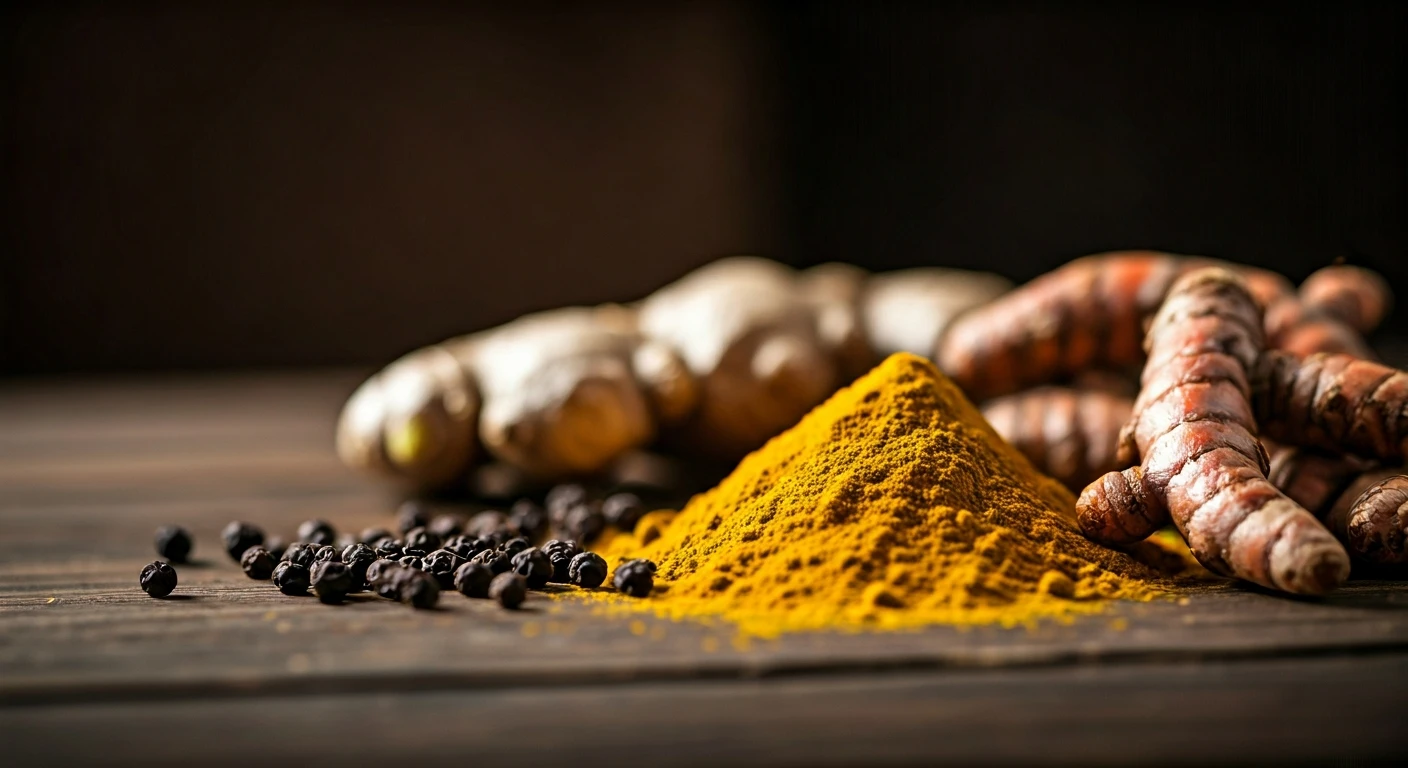
The beauty of homemade kadha lies in its adaptability. You can add other ingredients like a pinch of turmeric for its anti-inflammatory prowess, a few mint leaves for freshness, or lemongrass for a citrusy aroma. However, moderation is key. Kadha contains potent, heat-generating spices. Consuming it in large quantities or too frequently can potentially lead to acidity, heartburn, or other discomforts. Listen to your body. One small cup a day during the peak monsoon, or when you feel a tickle in your throat, is usually sufficient. It’s a supportive measure, not a replacement for a balanced diet or medical advice.