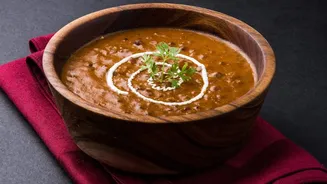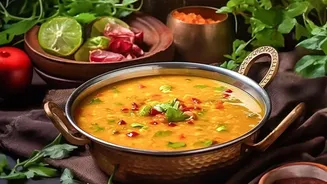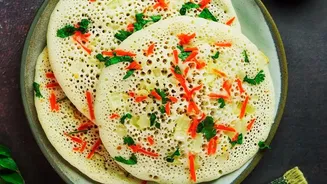


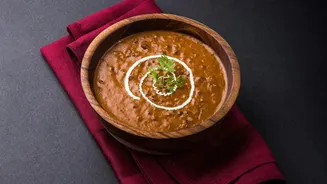
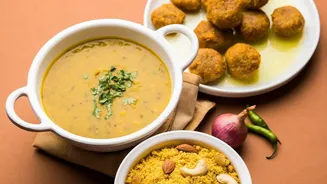
Urad dal, a staple in countless Indian kitchens, is far more versatile than many realise. Beyond idli and dosa, this humble lentil shines in hearty, comforting dishes. A spiced urad dal curry is one of the best ways to explore its rich flavour.
The Powerhouse Pulse
Known as
black gram, urad dal is a nutritional giant. It's packed with plant-based protein, making it essential for muscle repair and energy. It is also a fantastic source of iron, calcium, potassium, and magnesium. Regular consumption can support bone health, protect the heart, and boost energy levels by helping to produce red blood cells. While many associate it with the fermented batters of South Indian breakfasts, its creamy texture when cooked makes it perfect for rich, North Indian-style curries like dal makhani or a simple, homestyle tadka dal. Depending on the dish, you might use the whole black gram (sabut urad) or the split and skinned white version (urad dal). For this curry, we'll be using the split white variety.
Assembling Your Flavours
A great dal starts with quality ingredients. For this spiced curry, you will need a few key components. The star, of course, is one cup of split white urad dal. For the masala base, you'll want one finely chopped onion, two ripe tomatoes (either chopped or pureed), and a paste made from fresh ginger and garlic. The spice profile is crucial: turmeric powder, red chilli powder, coriander powder, and a touch of garam masala are essential. To finish the dish and give it that signature aroma, you'll need ingredients for a 'tadka', or tempering: ghee or oil, cumin seeds, mustard seeds, a pinch of asafoetida (hing), and a couple of dried red chillies. Fresh coriander leaves for garnish and a squeeze of lemon juice at the end will brighten all the flavours.
The Art of the Tadka
The secret to many unforgettable Indian dishes is the tadka. This is the process of tempering whole or ground spices in hot fat, like ghee or oil, to unlock their essential oils and deepest flavours. This fragrant, sizzling mixture is then poured over the cooked dal just before serving. For our curry, the tadka will add a final layer of complexity and aroma that elevates it from a simple lentil soup to a truly special dish. The process is quick but requires attention. You heat the ghee until it's hot, add seeds like cumin and mustard, and wait for them to pop and crackle. Then, other aromatics like dried red chillies or garlic are added briefly before pouring the entire sizzling mixture over the dal. This final step infuses the entire dish with a rich, smoky essence.
Cooking Your Curry, Step by Step
First, rinse the urad dal under cold water until it runs clear. Soaking the dal for at least 30-60 minutes will reduce cooking time and make it easier to digest. Once soaked, drain the dal and cook it in a pressure cooker with water, salt, and a pinch of turmeric for about 3-4 whistles, or until it's soft and mushy. If you don't have a pressure cooker, you can simmer it in a pot for 45-60 minutes. While the dal cooks, prepare your masala. Heat oil or ghee in a separate pan, add cumin seeds, and let them splutter. Add the chopped onions and sauté until they turn soft and golden. Next, add the ginger-garlic paste and cook for another minute until fragrant, then stir in the tomatoes. Cook this mixture until the tomatoes soften and the oil begins to separate from the masala. Add your powdered spices—turmeric, red chilli, and coriander—and cook for another minute. Once the dal is cooked, pour it into the masala, mix well, and let it simmer for 5-10 minutes for the flavours to meld together. Prepare your tadka in a small pan and pour it over the dal. Finish with garam masala, fresh coriander, and a squeeze of lemon.
Serving and Variations
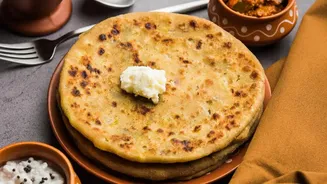
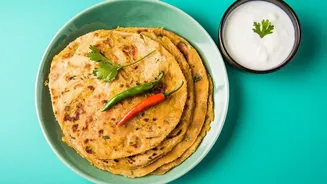
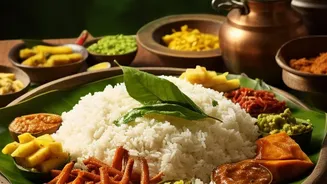
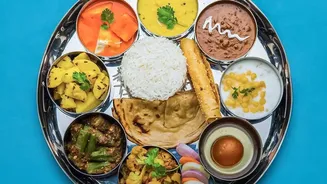
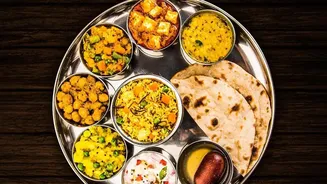
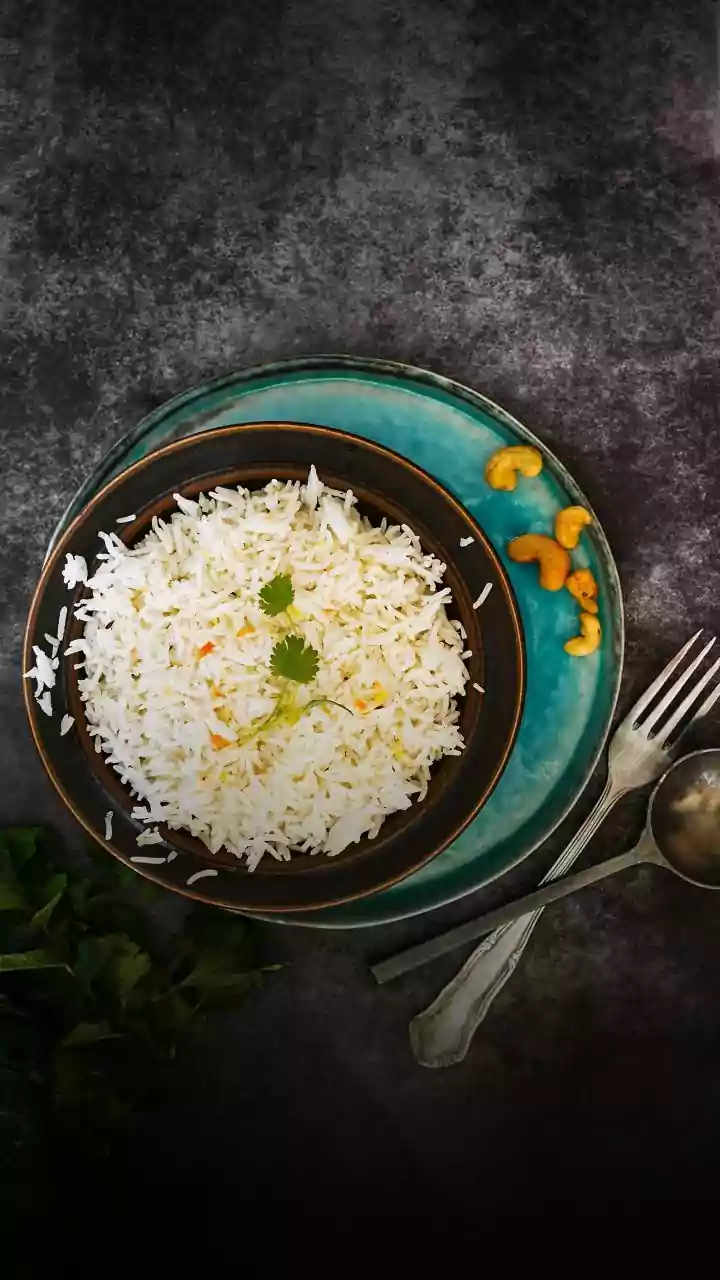
This spiced urad dal curry is at its best when served steaming hot. Its creamy consistency makes it a perfect partner for fluffy basmati rice or jeera rice. It also pairs wonderfully with Indian flatbreads like roti, paratha, or naan. A simple side salad, or kachumber, and a dollop of plain yoghurt can provide a cool, refreshing contrast to the warm、spiced dal. For variations、you can make this dish even more nutritious by adding chopped spinach to the simmering dal for the last few minutes of cooking。For a richer、more indulgent 'dhaba-style' version、you can stir in a tablespoon of butter or a swirl of fresh cream at the end。Don't be afraid to adjust the spice levels to your own preference。