

A Sweet Tied to the Season
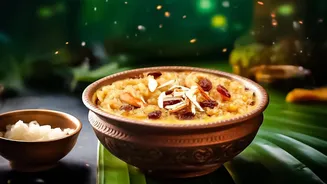
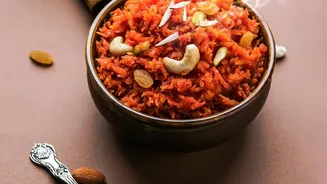
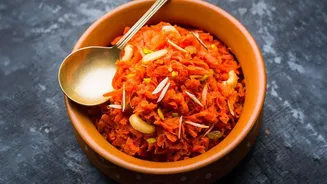
Gajar ka Halwa, also known as Gajrela in Punjabi, is more than just a dessert; it's a winter ritual in many North Indian homes. Its popularity is deeply connected to the seasonal availability of a specific type of carrot: the 'Delhi carrot'. These long,
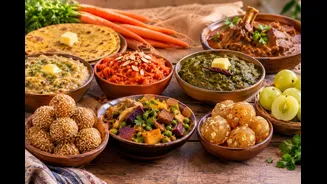
tender, red carrots appear in markets during the colder months and are significantly sweeter and juicier than their year-round orange counterparts. This natural sweetness is what makes them perfect for halwa, creating a richer, more authentic flavour that orange carrots struggle to replicate. For many, the sight of these red carrots is an unspoken announcement that halwa season has officially begun.
Nostalgia in Every Spoonful
Beyond its taste, Gajar ka Halwa is steeped in nostalgia and tradition. The aroma of carrots simmering slowly in milk and ghee evokes powerful memories of childhood, family gatherings, and the comforting care of a mother or grandmother's cooking. The process itself is an act of love—a patient, slow-cooking method that brings the family together. It's a dessert that features in major celebrations, from festivals like Diwali to weddings, but it is most cherished as a simple, homemade comfort food to be savoured on a chilly evening.
The Anatomy of Perfect Halwa
The magic of Gajar ka Halwa lies in its simple yet essential ingredients. The traditional recipe requires only carrots, full-fat milk, sugar, and ghee. Full-fat milk is crucial as it reduces down to create creamy, rich milk solids (khoya) that give the halwa its signature texture. Using skimmed or low-fat milk simply won't yield the same decadent result. Ghee, or clarified butter, is considered the soul of the dish, providing a glossy finish and an unmistakable aroma that cannot be substituted. Finally, a touch of cardamom powder and a garnish of roasted nuts like almonds and pistachios complete this classic sweet.
The Virtue of Patience: Slow-Cooking is Key
While modern shortcuts using condensed milk or a pressure cooker exist, the truly authentic flavour of Gajar ka Halwa comes from the traditional, slow-cooking process. This involves cooking the grated carrots in milk over a low to medium flame, stirring frequently until the milk has been almost completely absorbed. This can take anywhere from 45 minutes to over an hour, but it is this patient simmering that allows the carrots to become meltingly soft and infuse completely with the richness of the milk. Rushing this step on high heat is the most common mistake, leading to scorched milk and a disappointing texture.
Building the Flavours Step-by-Step
The order of operations matters. The grated carrots are first cooked in milk until tender and the liquid has significantly reduced. Sugar is added only after this stage. Adding sugar too early draws out excess moisture from the carrots, making the mixture watery and needlessly extending the cooking time. Once the sugar is added, the mixture will become liquidy again before thickening as it continues to cook. The final, glorious step is to stir in the ghee, which coats the carrot shreds, followed by cardamom powder and nuts, bringing all the flavours together in a rich, cohesive dessert.