





A Treasure in the Asteroid Belt
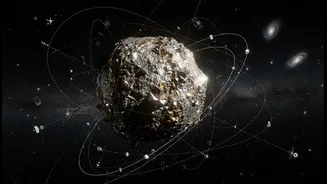
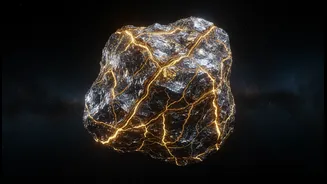
First, what is 16 Psyche? Discovered in 1852, it's one of the most massive objects in the main asteroid belt. Unlike most asteroids, which are rocky or icy, Psyche is believed to be the exposed metallic core of a protoplanet—a small world that never quite
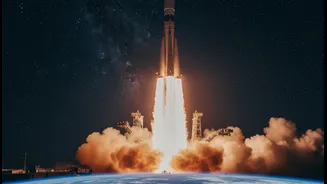
finished forming. Imagine being able to study the core of a planet without having to drill through a crust and mantle. That's the scientific allure of Psyche. The NASA mission of the same name, which launched in October 2023 and successfully used Mars for a gravity assist in May 2026, is on its way to do just that, with an expected arrival in 2029. But it's the asteroid's composition of iron, nickel, and potentially vast amounts of gold and precious metals that has economists and entrepreneurs watching closely. While the exact composition is unknown, some estimates place its value in the quadrillions of dollars.
The Terrestrial Need for Platinum
The excitement around Psyche puts a spotlight on a specific class of materials: Platinum Group Metals (PGMs). This group includes six elements: platinum, palladium, rhodium, iridium, ruthenium, and osmium. On Earth, they are exceptionally rare, with most of the world's supply coming from just a few countries, primarily South Africa and Russia. These metals are not just for jewelry; they are critical industrial components. Their unique catalytic properties make them essential for catalytic converters in cars, which reduce harmful emissions. They are also vital for electronics, medical devices, and importantly, for emerging green technologies like hydrogen fuel cells. The global PGM market was valued at over USD 30 billion in 2023, and demand is growing, particularly as nations push for cleaner energy.
The Stakes of a New Space Race
The "race" for Psyche isn't a head-to-head sprint just yet. NASA's mission is purely scientific. However, it represents a crucial first step in what is becoming a broader geopolitical and commercial competition. Nations like China and Japan, as well as countries like Luxembourg, are actively developing legal frameworks and technologies for space mining. The logic is simple: securing access to off-world resources could offer immense economic and strategic advantages. For a country like India, which is a major importer of resources and has a rapidly growing automotive and electronics sector, the prospect of new material sources is significant. The country that first masters the ability to extract and utilize these space-based resources could reshape global supply chains and reduce dependence on geopolitically sensitive mining operations on Earth.
From Science Fiction to Economic Reality
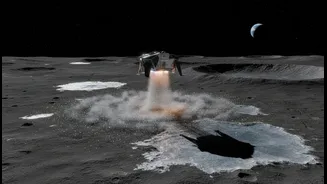
Let's be clear: mining Psyche is currently the stuff of science fiction. The technological, logistical, and financial hurdles are immense. The cost of a single mission is enormous, and the technology for extracting materials in a zero-gravity environment and returning them to Earth has not been developed. Furthermore, there's the economic paradox: if you were to suddenly introduce the vast mineral wealth of Psyche to Earth's markets, the prices of those very metals would likely crash, reducing the asteroid's effective monetary value. The estimated quadrillion-dollar price tag is a theoretical calculation based on current scarcity, not a realistic market valuation.
The True Value of the Psyche Mission
So if we're not going to become trillionaires overnight, why does the race for Psyche matter? Because it's not about immediate mining, but about reconnaissance and capability-building. The NASA mission will provide the first-ever detailed map of a metallic asteroid, giving us ground truth about its composition and structure. This data will be invaluable for any future commercial ventures. It's the first step on a very long road. This new space race is less about a frantic rush to extract resources and more about a strategic, long-term positioning for a future where humanity's economic sphere extends beyond Earth. The journey to Psyche is a technology driver, pushing innovation in propulsion, robotics, and long-range communication. These advancements will have applications far beyond asteroid mining.