






The Month for Mind and Body
Karkidakam, the final month in the traditional Malayalam calendar, falls between mid-July and mid-August, coinciding with the peak of the monsoon season. Ayurveda, the ancient Indian science of life, views this period as a challenging time for health.
The high humidity, reduced sunlight, and damp conditions are believed to weaken the digestive fire (Agni) and aggravate the body's 'doshas' or energies, making people more susceptible to illness. Consequently, Karkidakam is traditionally observed as a month for healing and rejuvenation, a time to focus on restorative practices, detoxifying treatments, and a careful diet to rebuild strength and immunity for the year ahead.
More Than Just a Porridge
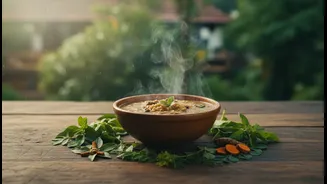
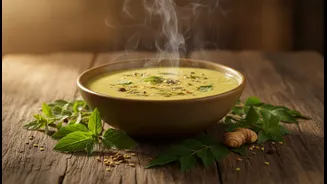
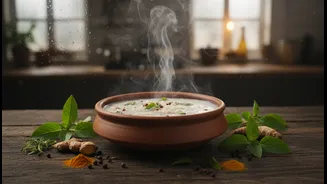
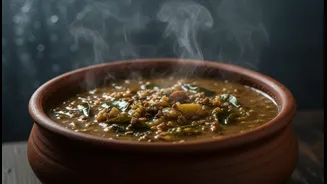
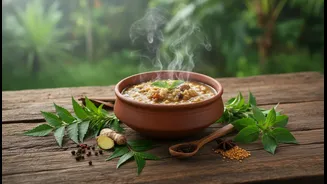
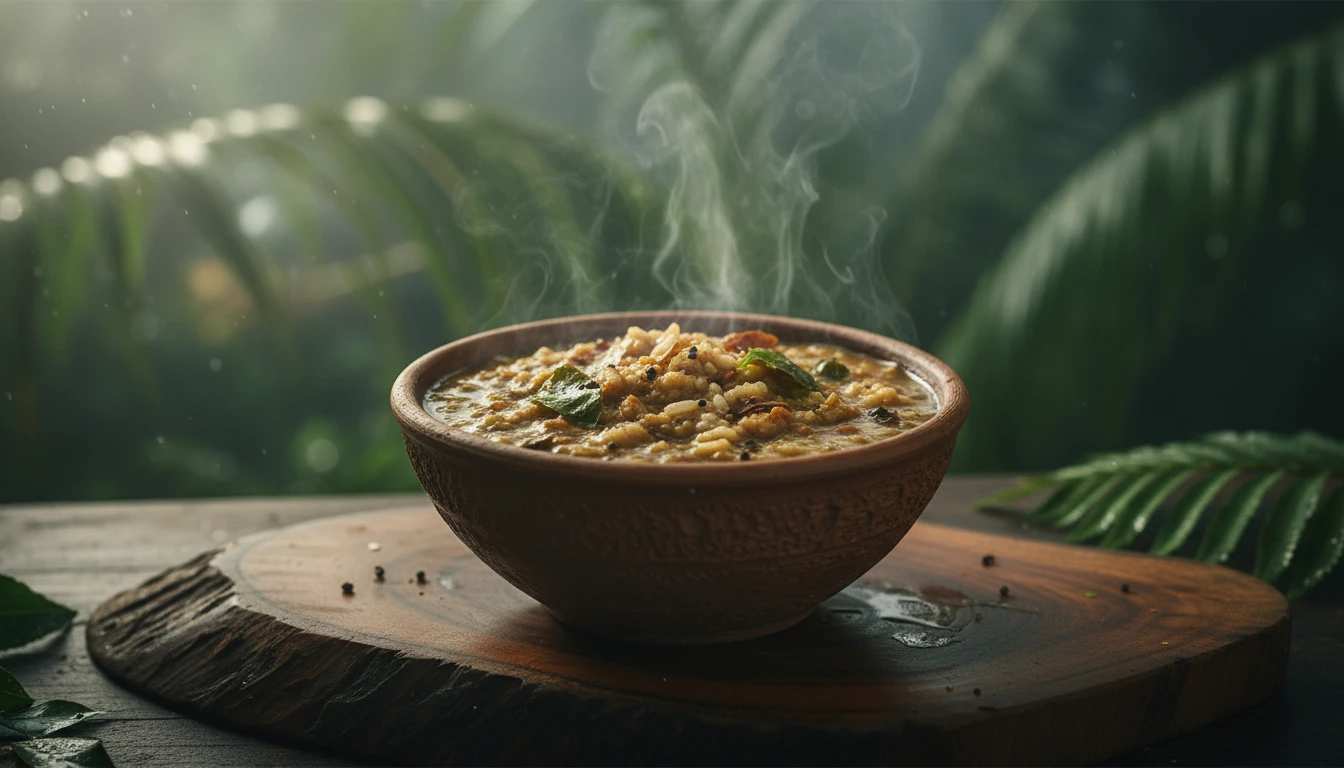
At the heart of this seasonal regimen is Karkidaka Kanji, also known as Oushadha Kanji, which translates to 'medicinal porridge'. Far from a simple gruel, it is a sophisticated Ayurvedic formulation where food is treated as medicine. This warm, nourishing porridge is designed to be light on a compromised digestive system while delivering a potent mix of nutrients and therapeutic herbs. It is traditionally consumed daily for a period ranging from a week to the entire month to cleanse the body of toxins, balance the doshas, and bolster the immune system against common monsoon ailments like colds, fevers, and joint pain.
A Potion of Powerful Ingredients
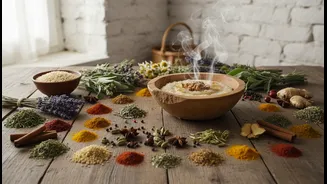
The efficacy of Karkidaka Kanji lies in its carefully selected components. The base is often Navara rice, a unique medicinal variety from Kerala known for being easy to digest and deeply nourishing. To this, a host of spices and herbs are added. Ingredients like cumin, fenugreek, and dry ginger help rekindle the digestive fire and reduce bloating. The porridge is further enriched with a herbal mixture that can include over 20 different plants, sometimes featuring 'Dasapushpam' (a group of ten sacred flowers) and 'Dashamoola' (a blend of ten medicinal roots), each with specific properties to support immunity, reduce inflammation, and aid in detoxification. Coconut milk provides healthy fats and a comforting creaminess, making it both a medicine and a meal.
From Tradition to Modern Trend
While Karkidaka Kanji is a centuries-old practice, its recent surge in popularity is a modern phenomenon. Several factors are driving this renewed interest. There is a growing global and national trend of returning to traditional foods and 'ancestral' wisdom for wellness solutions. Health-conscious consumers are increasingly looking for natural ways to boost immunity, a trend that accelerated significantly after the pandemic. Furthermore, what was once a tradition largely confined to homes in Kerala is now more accessible than ever. Social media food bloggers and wellness influencers have brought the porridge to a wider audience, while numerous Ayurvedic brands and online stores now sell convenient 'Karkidaka Kanji Kits'. These kits, containing the pre-portioned rice and dried herbs, make it easy for anyone, anywhere, to experience this seasonal wellness ritual.
How to Embrace the Season
For those curious to try it, embracing the Karkidaka Kanji tradition has become straightforward. The most accessible route is purchasing a ready-to-use kit from an Ayurvedic brand or a specialty online store, which comes with instructions for preparation. Many recipes are also available online for home cooks who wish to source the ingredients themselves, though some of the specific herbs may be harder to find outside of Kerala. For a truly authentic experience, some Ayurvedic centres and clinics offer Karkidaka treatments that include the porridge as part of a holistic wellness plan. Regardless of the approach, the focus remains on simple, warm, and easily digestible foods throughout the monsoon period to give the digestive system a rest and support the body's natural defences.