



1. Zermatt: The Price of an Iconic View
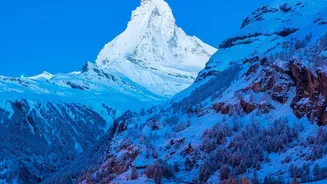
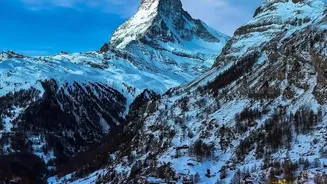
Zermatt's expense is intrinsically tied to one thing: the Matterhorn. As a premium, car-free village set beneath the world's most photographed peak, it commands top prices. Accommodation is the biggest expense, with a multitude of five-star hotels catering
to a luxury clientele. The very desirability that draws tourists creates 'overtourism,' which inflates hotel rates. Limited accessibility also plays a role; since the village is car-free, all goods and people must arrive by train from the nearby hub of Täsch, adding logistical costs. A room with a Matterhorn view is a luxury commodity, and hotels price it accordingly. While it is one of Europe's most iconic ski destinations, its mythic reputation, small size, and high demand from skiers and non-skiers alike keep prices at a premium year-round.
2. St. Moritz: The Birthplace of Alpine Luxury
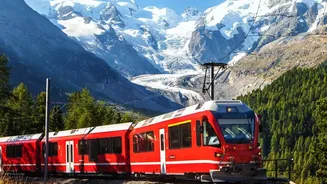
If Zermatt is about a specific peak, St. Moritz is about a lifestyle. Known as the birthplace of Alpine winter tourism, this Engadin Valley resort has long been a playground for the rich and famous. The atmosphere here is one of 'high-altitude glamour,' with world-class events like polo and horse racing on a frozen lake. This reputation for overt luxury and exclusivity means hotels, like the legendary Badrutt's Palace, and local businesses cater to a clientele with deep pockets. Consistently, St. Moritz is found to be more expensive than Zermatt across categories like hotels and dining. A mid-range hotel here often costs more than a comparable one in Zermatt, and the concentration of designer shopping on Via Serlas reinforces its status as a top-tier luxury destination.
3. Interlaken: The Adventure Capital's Hub-and-Spoke Cost
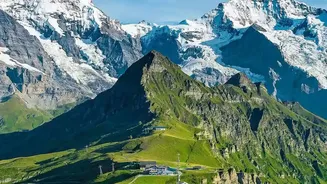
Interlaken's expense comes from its strategic location as the adventure gateway to the entire Jungfrau region. While hotel rooms in Interlaken itself can be cheaper than in Zermatt, its primary function is as a base for costly mountain excursions. The true price of an Interlaken trip is often felt in the expensive tickets required for attractions like Jungfraujoch, which can cost over 200 Swiss francs per person. The town thrives on high tourist turnover, with its convenience as a transport hub keeping demand perpetually high. This constant flow of visitors, combined with the costs of the surrounding mountain railways and cable cars, solidifies Interlaken's position as a pricey, albeit central, destination for first-time visitors to the Alps.
4. Lucerne: The Charm of a Lakeside City
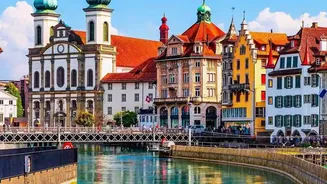
Lucerne combines city and mountain appeal, making it a perennially crowded and expensive stop. Its picturesque setting on Lake Lucerne, complete with the famous Chapel Bridge, makes it a tourist magnet. High demand, especially in the summer, keeps hotel prices firm. Like Interlaken, it serves as a base for pricey mountain trips to peaks like Pilatus and Rigi, adding to the overall cost for tourists. While accommodation can be slightly more affordable than in Zurich or Geneva, its popularity ensures it remains one of Switzerland's premium destinations, with average hotel rates reflecting its status as a tourist hotspot.
5. Geneva and Zurich: The Urban Cost-of-Living Premium
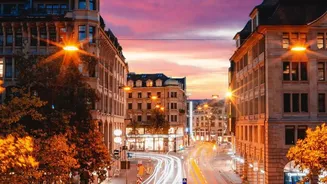
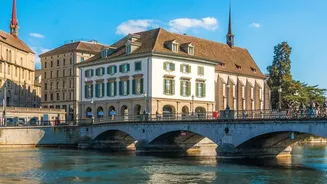
While not alpine villages, Switzerland's two major international hubs, Geneva and Zurich, are among the most expensive places for tourists. Their high costs are driven by a different engine: a high cost of living for residents, strong economies, and their status as global centers for finance and diplomacy. High local wages and a robust economy translate directly into higher prices for everything, including hotels and restaurants. These cities often serve as the entry and exit points for tourists, and the 'sticker shock' starts here. A three-star hotel in Zurich or Geneva during peak season often commands rates similar to or higher than those in mountain resorts, setting the tone for a trip where quality and efficiency come at a significant financial premium.