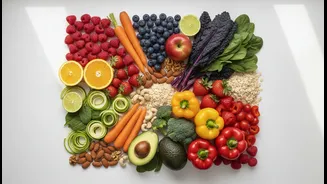









The Exhaustion of Food Perfectionism
The pressure to eat “perfectly” is a familiar feeling for many. Fueled by social media and a diet culture obsessed with labels like “clean” and “unprocessed,” this mindset can turn food into a source of stress and guilt. This relentless pursuit of a flawless
diet, sometimes called orthorexia, involves setting impossibly high standards for what you eat. The thinking becomes black-and-white: foods are either “good” or “bad,” and any deviation from the plan feels like a personal failure. This rigidity can lead to anxiety, social isolation, and, ironically, a less healthy relationship with food and your own body. The constant self-criticism and fear of making a mistake is not only mentally exhausting but can also contribute to disordered eating patterns.
A New Trial: Personalized Nutrition
The “new trial” isn’t a single clinical study but a broader shift in our approach to health, moving away from one-size-fits-all advice. The star of this new era is personalized nutrition. In India and worldwide, consumers are seeking solutions tailored to their unique biology. This is made possible by new technologies that were once confined to medical settings. Continuous glucose monitors (CGMs), for example, are small, wearable sensors that track your blood sugar levels in real-time. Originally for managing diabetes, these devices are now being used by health-conscious individuals to see exactly how their bodies respond to different foods, exercise, and even stress. This creates a powerful feedback loop, offering insights that generic diet plans could never provide.
Data as a Guide, Not a Judge
The key difference in this new approach is how data is used. In the past, diet apps focused on counting calories, often leading to a pass-or-fail mentality. Today’s tools, like CGMs paired with smart apps, frame data as a guide for curiosity, not a tool for judgment. You might discover, for instance, that a bowl of dal and rice has a minimal effect on your blood sugar, while a seemingly “healthy” breakfast bar causes a sharp spike. This information isn’t a command to ban the bar forever. Instead, it’s an invitation to get curious. Maybe pairing it with a source of protein or fat next time could lead to a better result. This approach empowers you to make small, informed adjustments rather than drastic, unsustainable cuts.
Making Better, Not Perfect, Choices
This shift towards data-driven self-awareness fosters a more flexible and forgiving mindset. It aligns with the principles of intuitive eating, which encourages listening to your body’s internal hunger and fullness cues rather than following external rules. By understanding your personal metabolic responses, you can build a diet that feels both nourishing and enjoyable. The goal is not to achieve a perfectly flat glucose line or to eat only “approved” foods. The goal is to make better, more informed choices most of the time, while still leaving room for the foods you love. It’s about progress, not perfection. This helps dismantle the guilt and shame that diet culture so often creates, promoting a healthier mindset and a more sustainable lifestyle.