


How Self-Watering Pots Really Work
At its core, a self-watering pot is a two-part system: a growing area for the plant and soil, and a separate reservoir below to hold water. The magic happens through capillary action, or wicking. Water is drawn up from the reservoir into the soil, either
through direct contact with a portion of the soil or via a fabric wick. This allows the plant to absorb moisture from the bottom up as it needs it, keeping the soil consistently damp but not overly saturated. This method prevents the soil surface from staying too wet, which can discourage pests and fungus.
The Unsung Hero: The Overflow Spout
The most critical feature of a well-designed self-watering pot is the overflow mechanism. This is usually a small hole or spout located on the side of the planter, positioned at the maximum desired water level of the reservoir. Its job is simple but vital: to allow any excess water to escape. This prevents the reservoir from being overfilled, which is especially important for pots used outdoors where rain can quickly flood the system. Without a functional overflow, the water level can rise past the separator, completely saturating the soil and creating the very problem these pots are meant to solve: waterlogging.
When Good Pots Go Bad: The Dangers of a Blocked Overflow
If the overflow route is blocked or non-existent, your self-watering pot becomes a sealed container with no way to release excess water. This leads to a cascade of problems. The soil becomes completely waterlogged, depriving the plant's roots of oxygen. This lack of air creates anaerobic conditions, which are a perfect breeding ground for harmful fungi and bacteria that cause root rot. Instead of healthy, firm, white roots, you'll find brown, mushy, and decaying ones. The plant will struggle to absorb nutrients and water, ironically wilting even though it's sitting in water. Eventually, the plant will die not from thirst, but from drowning.
Diagnosing the Problem: Is Your Pot Drowning Your Plant?
Catching the problem early is key. Look for tell-tale signs of a waterlogged pot. The most obvious symptom is leaves turning yellow and wilting, even when the reservoir has water. The soil surface might feel constantly soggy or muddy to the touch. Another key indicator is a foul, sour, or musty smell coming from the pot, which is a sign of root decay and anaerobic bacteria at work. If you suspect an issue, try tipping the pot slightly. If water immediately runs out of the fill hole or from the topsoil, it's a clear sign that the pot is overfilled and the overflow isn't working.
Your Action Plan: Ensuring a Clear Escape Route
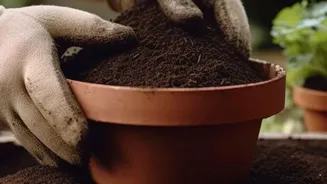
First, always check for an overflow hole when buying a new self-watering pot; it's a non-negotiable feature. If you already own pots, regularly inspect the overflow spout to ensure it isn't clogged with soil, debris, or mineral buildup. Use a small brush or a piece of wire to clear any blockages. For plants that are already waterlogged, gently remove the plant from the pot. If the roots are rotting, trim away the mushy, brown parts with clean scissors. Allow the root ball to air dry for an hour before repotting in fresh, well-draining soil. If your pot lacks an overflow, and you're feeling handy, you can carefully drill a small hole at the correct height to create one. This small step can be the difference between a thriving plant and a failed gardening experiment.