






An Introduction to Methi
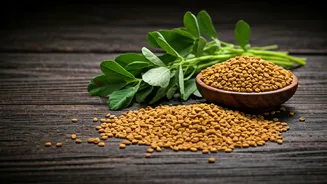
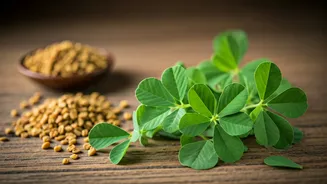
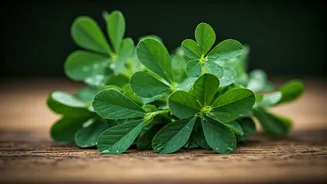
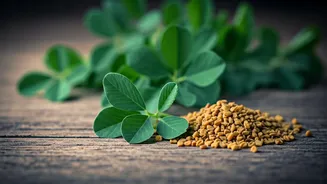
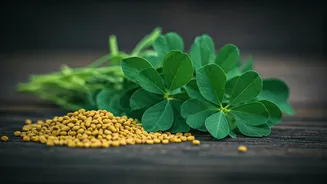
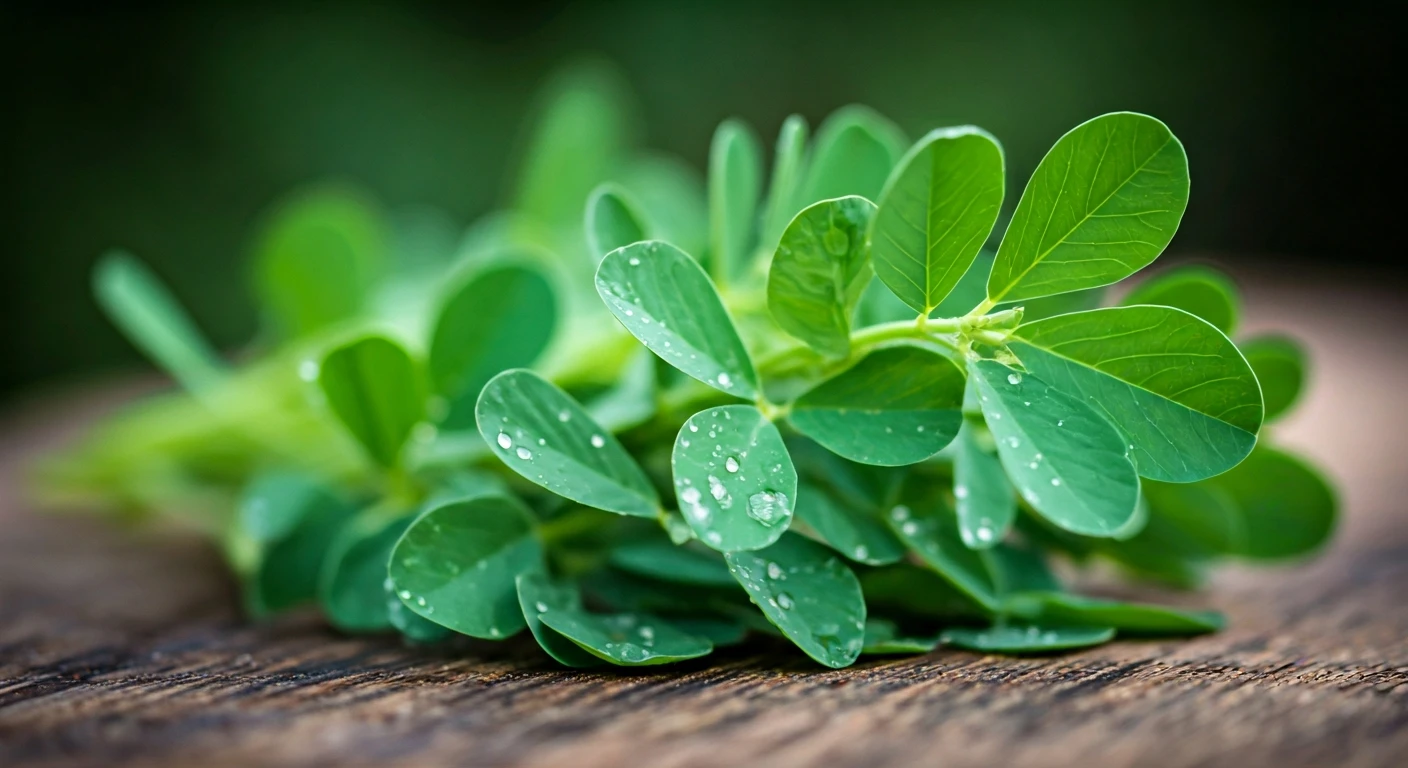
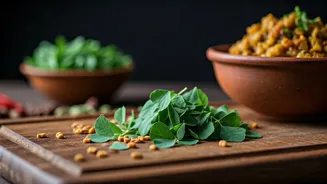
Fenugreek, or methi, is a leafy green plant used widely in Indian, Middle Eastern, and North African cooking. While its seeds are a powerful spice in their own right, the leaves offer a more subtle but equally transformative flavour. They have a pleasantly
bitter taste, often compared to celery or fennel, but with a unique, sweet aroma reminiscent of maple syrup. This complexity is what makes them so special; they add a layer of flavour that is hard to replicate and instantly makes a simple dish feel more thoughtful and layered. In Indian cuisine, fenugreek leaves are a staple, used in everything from lentil dishes (dal) to flatbreads and vegetable stir-fries.
Fresh Leaves vs. Dried Leaves
You will encounter fenugreek leaves in two main forms: fresh methi and dried kasuri methi. Fresh methi has a more pronounced, clean bitterness and a vibrant, herbaceous quality. It’s often used like spinach, wilted into curries, stir-fried with potatoes (Aloo Methi), or kneaded into dough for flatbreads like thepla and paratha. Dried fenugreek leaves, known as kasuri methi, have a more concentrated, earthy aroma and a deeper, nuttier flavour. The drying process mellows the bitterness and intensifies the maple-like scent. Kasuri methi is incredibly versatile and often used as a finishing herb. Crushing the leaves between your palms before sprinkling them over a dish at the end of cooking releases their essential oils, adding an incredible fragrance to rich, creamy curries like butter chicken or dal makhani.
Easy Ways to Get Started
Intimidated? Don't be. One of the easiest ways to start is by adding a teaspoon of crushed kasuri methi to your next pot of dal. Let it simmer for the last few minutes of cooking, and it will lend a beautiful, complex aroma to the lentils. Another simple starting point is with potatoes. A classic North Indian dish, Aloo Methi, involves little more than sautéing boiled, cubed potatoes with fresh or dried fenugreek leaves, cumin seeds, and turmeric. You can also mix chopped fresh leaves or a tablespoon of dried leaves into dough for rotis or parathas for an instant flavour upgrade. Even scrambled eggs can be enhanced with a pinch of dried fenugreek leaves for an aromatic, savoury breakfast.
Beyond the Basics: A Flavour Enhancer for Everything
Once you're comfortable, you'll find yourself reaching for fenugreek leaves all the time. Add fresh, chopped methi to vegetable soups for an earthy depth. Mix kasuri methi into yogurt marinades for chicken or paneer to provide a unique aromatic base that balances the tang of the yogurt. It’s also a fantastic addition to spice rubs for roasted vegetables or meats. A pinch of crushed kasuri methi can elevate a simple tomato-based sauce, balancing the acidity and adding a savoury, almost smoky note. Think of it less as a primary flavour and more as a background enhancer that makes everything else taste better.
Where to Find It and How to Store It
Fresh fenugreek leaves can be found at most Indian grocery stores and some larger supermarkets with a good selection of international produce. Look for vibrant green bunches without yellowing leaves. They are perishable, so use them within a few days of purchase. Dried fenugreek (kasuri methi) is more widely available in the spice aisle of supermarkets or online. It has a long shelf life and should be stored in an airtight container away from direct sunlight, just like your other dried herbs. A little goes a long way, so a single packet will last you through many weeknight dinner rescues.