





An Anxious Wait for Rain
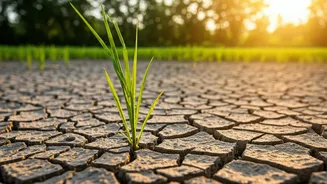
The 2026 southwest monsoon has had a sluggish start, with rainfall significantly below normal for June. [9, 10] The India Meteorological Department (IMD) has projected a below-normal monsoon for the year, a forecast influenced by the emergence of El Niño
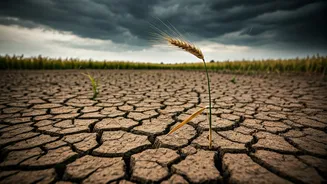
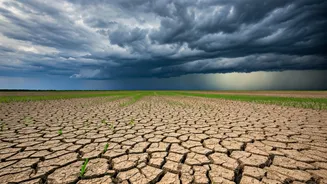
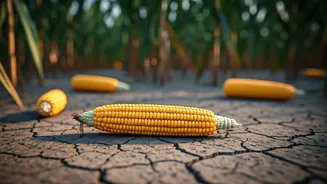
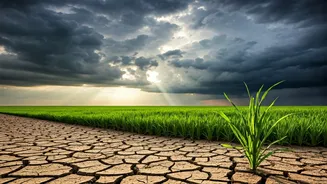
conditions in the Pacific Ocean. [3, 4, 6] This climate pattern is often associated with weaker monsoon winds and reduced rainfall over India. [3, 6, 12] As of late June, the monsoon's progress has been slow, creating a rainfall deficit of over 40% and leaving about 75% of the country's land area with deficient rain. [8, 9] This delay is causing concern, particularly for the crucial Kharif sowing season, as nearly half of India's farmland is dependent on monsoon rains. [6, 7]
Rice's Reliance on Rhythm
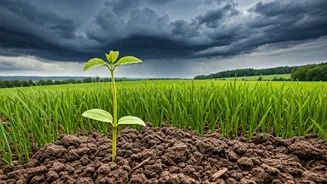
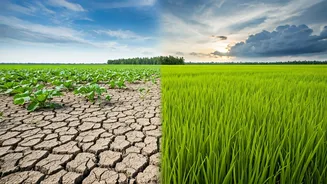
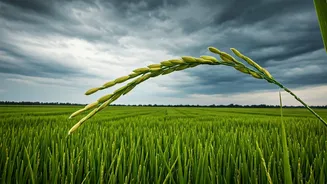
Rice, a staple food for a majority of Indians, is particularly vulnerable to the monsoon's whims. The crop requires consistent and timely water during its growth phases. A delayed onset of rain can push back the planting schedule, while long dry spells can stunt growth and reduce yields. [6] Paradoxically, the increasing frequency of extreme weather means that even in a below-normal season, short bursts of intense rain can cause flooding, damaging paddy fields. [6] While early sowing data for 2026 showed a surprising increase in rice acreage, this was largely in irrigated zones. [11] The vast rain-fed rice belts in central and western India remain at high risk from the erratic rainfall patterns predicted for July and August. [4, 5]
The Pulse and Price Connection
Pulses, the primary source of protein for millions, are also in a precarious position. Key pulse crops like tur (arhar), moong, and urad are predominantly grown in rain-fed areas, making them highly susceptible to monsoon performance. [9, 12] A rainfall deficit directly impacts sowing and growth, leading to lower production. For instance, the weak start to the monsoon has already seen a significant fall in the sowing of some pulses and oilseeds. [7] Any significant drop in pulse production inevitably translates to higher prices in the market, putting a strain on household budgets and contributing to food inflation. [8, 9] The government often turns to buffer stocks and import measures to control prices, but a major domestic production shortfall presents a significant challenge. [8]
Vegetables and Volatility
The impact of a weak monsoon is often felt most immediately in the vegetable market. [19] Unlike cereals, which can be stored, vegetables have a short shelf life, and their supply chains are sensitive to disruption. [16] A few weeks of either too much or too little rain can damage crops like onions, tomatoes, and leafy greens, leading to a sudden supply crunch and a sharp spike in prices. [16, 19] Regions like Nashik in Maharashtra, a major onion producer, have reported severe rainfall deficits this June, raising fears of a repeat of previous price crises. [16] These price shocks are felt directly by consumers and can have a significant impact on headline inflation.
From Field to Your Plate
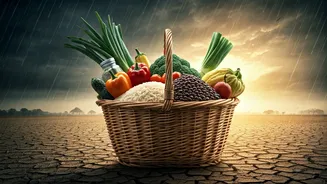
The chain of impact is clear: erratic rainfall affects crop yields, which reduces farmers' incomes and tightens market supply. This, in turn, drives up wholesale and then retail prices for essential food items. [6, 8] While India has built up comfortable buffer stocks of wheat and rice, providing a cushion against immediate shortages, the prices of vegetables, pulses, and edible oils are more exposed to seasonal production. [9] The government is preparing contingency plans, advising farmers to use drought-resistant seeds and switch to less water-intensive crops like millets. [3, 10] However, the effectiveness of these measures depends on how the rest of the monsoon season unfolds. For the average citizen, it means keeping a close watch on the weather, as it will likely dictate the direction of their grocery bills in the coming months. [19]