
The Rohit Sharma Future Flashpoint
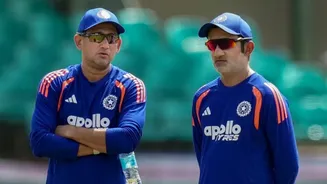
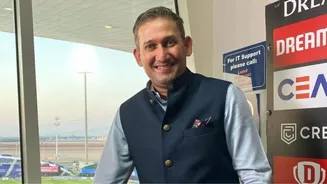
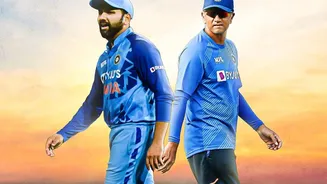
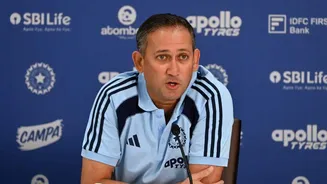
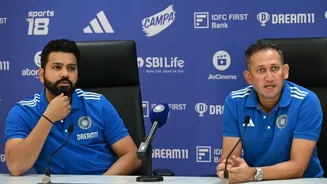
The primary catalyst for Ajit Agarkar's departure appears to be a fundamental disagreement over the future of former captain Rohit Sharma in One Day Internationals. Reports indicate that the selection committee, in agreement with team management, had
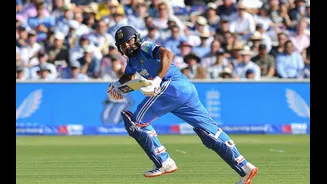
decided to move on from Rohit after the Lord's ODI during the England tour. South Zone selector Pragyan Ojha was reportedly tasked with communicating this to Rohit, who is keen to play in the 2027 ODI World Cup. Unhappy with the decision, Rohit is said to have approached a senior BCCI administrator. Subsequently, the BCCI publicly issued a statement backing Rohit, a move that reportedly left Agarkar feeling undermined and angry, as he was not informed beforehand. This clash highlighted a critical power struggle: Agarkar’s desire to look towards the future by giving young players like Yashasvi Jaiswal a long run, versus the board’s intervention to protect a senior player.
Policy Clashes with VVS Laxman
The friction was not limited to the captain alone. Serious differences of opinion also reportedly emerged between Agarkar and VVS Laxman, the head of the National Cricket Academy (NCA). These disagreements spanned several key policy areas. One major point of contention was the scheduling of India A tours, which often clashed with domestic tournaments like the Irani Cup and senior team commitments, creating logistical challenges. Furthermore, there were disputes over the management of injured, centrally contracted players and the lack of clear timelines for their return, with Laxman allegedly feeling the NCA was unfairly blamed for issues beyond its control. A mutual mistrust is said to have grown, especially after an injury list of top players was leaked to the media. Agarkar also reportedly questioned the need to send a strong, first-choice team to the Asian Games, a view that put him at odds with the board's priorities.
The Final Straw: A Missed Meeting
While tensions simmered for weeks, the breaking point appears to have been Agarkar's absence from a crucial review meeting in Mumbai. This meeting was called by the BCCI to dissect the team's performance after the recent England tour and plan for the future. Agarkar did not attend the meeting, either in person or remotely. Although the BCCI secretary defended his absence, stating it was called on short notice, many within the board felt that the chief selector’s presence was non-negotiable for such a significant discussion. This act was seen as the final indication of an irreparable rift, making his exit a mere formality in the days that followed.
A Question of Authority and Precedent
The saga raises broader questions about the authority of the selection committee in modern Indian cricket. Sources suggest Agarkar struggled to accept that major decisions regarding megastars, such as their retirement or continuation, are often administrative calls rather than purely selection-based ones. The BCCI’s public overruling of the selectors' decision on Rohit Sharma underscored this dynamic, reinforcing the perception that the board, not the selectors, has the final say on high-profile careers. This is not the first time a selector has clashed with the establishment; past instances involving Kris Srikkanth and Mohinder Amarnath also highlighted the delicate power balance. Agarkar's exit, despite a successful tenure that saw India win three ICC trophies, suggests that navigating the corridors of power is as crucial as picking the right team.