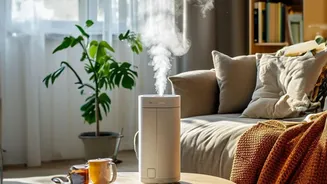







That familiar winter trio—a scratchy throat, staticky hair, and surprisingly cold rooms—isn't just in your head. It's often caused by an invisible culprit: overly dry indoor air. Here's why it happens and what you can do to fight back.
Why Winter Air Becomes So Dry
The problem starts
outdoors. Cold air simply cannot hold as much moisture as warm air. When this already-dry air is brought into your home and heated by your furnace, its relative humidity plummets even further. A home's indoor relative humidity can easily drop to 15-20% during cold periods, far below the ideal range. This creates an environment that draws moisture from every available source, including your body, your furniture, and even your house plants.
Your Body’s First Line of Defense
Low humidity takes a direct toll on your respiratory system. Your nose and throat are lined with mucous membranes, which serve as your body’s first line of defense against dust, germs, and other irritants. Dry air evaporates the moisture from these protective linings, impairing their ability to trap pathogens. This can leave you feeling scratchy and congested, and more importantly, it makes you more susceptible to respiratory infections like the common cold and flu. Studies have shown that viruses, including influenza and coronaviruses, not only survive longer but can remain infectious for extended periods in low-humidity environments.
More Than Just a Scratchy Throat
The effects of dry air are not limited to your airways. Many common winter discomforts are direct symptoms of low humidity. These include dry, itchy skin, chapped lips, and irritated eyes. Some people may also experience more frequent nosebleeds as their nasal passages dry out and crack. The constant static electricity that causes shocks when you touch a doorknob is another telltale sign. For those with existing conditions like asthma or eczema, dry air can significantly worsen symptoms and trigger flare-ups.
Finding the Right Balance at Home
The key to improving winter comfort is managing your indoor humidity. According to health experts, the ideal range for indoor relative humidity is between 30% and 50%. This level is comfortable for most people and helps reduce the transmission of airborne viruses. However, it's a delicate balance. In very cold weather, aiming for the lower end of that range (30–40%) can help prevent condensation from forming on windows and inside walls, which could lead to mold. A simple, inexpensive device called a hygrometer can help you monitor your home's humidity levels accurately.
The Power of a Humidifier
The most effective way to combat dry indoor air is by using a humidifier. These devices add a controlled amount of moisture back into the air, helping to alleviate symptoms like a sore throat and dry skin. However, proper maintenance is crucial. An unclean humidifier can become a breeding ground for mold and bacteria, which can then be dispersed into the air you breathe. It is essential to clean your humidifier every few days, use distilled or demineralized water to prevent mineral buildup, and change filters according to the manufacturer's instructions. Always ensure the area around the unit remains dry to prevent moisture damage or mold growth.
Simple Humidity Hacks (No Gadgets Required)
If you don't have a humidifier, you can still take simple, effective steps to increase the moisture in your home. After a hot shower, leave the bathroom door open to let the steam escape into the rest of your house. You can also hang wet laundry on an indoor drying rack; as the clothes dry, they will release moisture into the air. Placing wide, shallow bowls of water near heat sources or on sunny windowsills will also add humidity through natural evaporation. Finally, houseplants are natural humidifiers. They release water vapor through a process called transpiration, helping to improve the air quality in your home.