




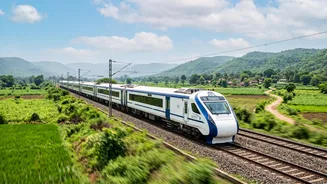
Understanding 'Special' Trains
To clear the extra rush during holidays like Diwali, Holi, Onam, and summer vacations, Indian Railways operates thousands of additional 'special trains'. These are temporary services scheduled on high-demand routes. You can often identify them by their
train number, which typically starts with a '0'. Unlike regular trains that allow booking up to 120 days in advance, special trains have a much shorter Advance Reservation Period (ARP), often opening for booking just 10 to 30 days before the journey date. This makes them ideal for last-minute plans but also means you need to be alert and ready to book quickly.
The Hunt for Announcements
There is no fixed annual calendar for special trains. Zonal railways assess passenger traffic and announce these trains a few weeks before a festival or holiday period. For example, services for Raksha Bandhan and Onam were announced in August 2026 for travel within the same month. The best way to stay informed is to monitor the official IRCTC website and app, the National Train Enquiry System (NTES), and the social media accounts of the Ministry of Railways and regional railway zones. Announcements are often made via press releases, so keeping an eye on news updates is also a good strategy.
The Cost of Convenience
While they offer much-needed connectivity, special trains often come at a higher price. Reserved accommodation on these services typically includes a 'special charge', making them more expensive than regular mail or express trains on the same route. Some premium special trains, like Suvidha services, feature a dynamic pricing model where fares increase as seats are filled. The first block of tickets is the cheapest, and the price rises with subsequent bookings. It's also important to note that concessions, such as those for senior citizens, are often not applicable on these trains.
Your Pre-Booking Checklist for Success
Booking a ticket on a popular special train is a race against time. To improve your chances, preparation is key. Before booking opens, log in to your IRCTC account and use the 'Master List' feature to pre-save all passenger details, including name, age, and ID proof. This saves crucial minutes during the booking process. Keep the train number and your journey details handy. When it's time to book, use a fast and reliable payment method like UPI or the IRCTC eWallet, as these are often quicker than credit/debit cards or net banking, which can face delays.
What If You Still Can't Get a Ticket?
Even with the best planning, tickets on high-demand special trains can sell out in minutes. If you miss out, don't lose hope entirely. Your next best option is the Tatkal or Premium Tatkal quota, which opens one day before the journey date at 10 AM for AC classes and 11 AM for non-AC classes. These also require speed and preparation. If you end up with a waitlisted ticket, track its status regularly using the PNR. Many tickets get confirmed closer to the departure date as others cancel. As a final backup, be prepared to look at alternative routes or modes of transport.