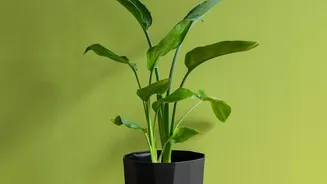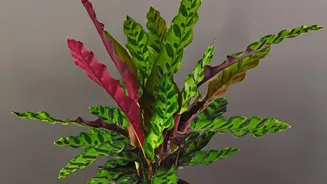








Want to create a lush, tropical paradise at home? The secret often lies not in flowers, but in foliage. Enter Calathea lutea, a plant whose giant, sculptural leaves can transform any space with architectural drama and vibrant green energy.
Meet the 'Cigar Plant'
Calathea lutea,
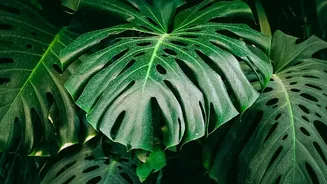
native to the tropical Americas, is a true showstopper in the plant world. Commonly known as the Cigar Plant or Havana Cigar, this name comes from its unique, cigar-shaped flower bracts that emerge in shades of reddish-brown. But the real star is its foliage. It grows into a tall, clumping perennial, reaching heights of 2 to 4 metres, making it a dramatic presence. Its leaves are enormous, paddle-shaped blades that can be up to a metre long, held up by long, elegant stems. This impressive size and form allow it to create an instant jungle-like feel, whether planted in a garden bed or a large container.
Why Choose Calathea Lutea?
In a world of decorative houseplants, Calathea lutea stands out for its structural beauty. The leaves are not just big; they are dynamic. Like other members of the Marantaceae family, often called 'prayer plants', its leaves exhibit nyctinasty—a fascinating daily movement. They rise and fold slightly at night and spread out horizontally during the day to maximize light absorption. This subtle motion gives the plant a living, breathing quality. The leaves themselves are a deep, glossy green on top with a paler, sometimes waxy-white coating on the underside, adding another layer of visual interest. It’s an excellent choice for creating a natural privacy screen or adding a bold architectural element to a patio or large indoor space.
Ideal Growing Conditions
To help your Calathea lutea thrive, replicating its native tropical habitat is key. It prefers bright, indirect light. In an Indian context, this means a spot that avoids the harsh midday sun, which can scorch its magnificent leaves. An east-facing balcony or a well-lit room a few feet from a window is perfect. While it can tolerate lower light, its growth may become leggy. Humidity is another critical factor. Calatheas love moisture in the air, ideally above 60%. In drier Indian cities like Delhi, especially during winter, you may need to mist the leaves regularly, place the pot on a pebble tray with water, or use a humidifier. It prefers warm temperatures between 18°C and 28°C and should be protected from cold drafts.
Soil, Water, and Feeding
Calathea lutea needs soil that is rich in organic matter but also well-draining to prevent root rot, a common issue with this family. A mix of potting soil, compost or coir, and perlite works well. The key to watering is consistency; keep the soil evenly moist but never waterlogged. A good rule of thumb is to water when the top inch of soil feels dry. These plants can be sensitive to minerals and chlorine in tap water, which may cause brown leaf tips. Using filtered water, rainwater, or RO water is highly recommended. During the growing season (spring and summer), feed your plant monthly with a balanced liquid fertiliser, diluted to half_strength. Reduce feeding during the winter when growth naturally slows down.
Common Challenges and Solutions
While relatively robust, Calathea lutea can face a few common problems. The most frequent pests are spider mites, which thrive in dry conditions. You might notice tiny webs on the undersides of leaves or a stippled, unhealthy appearance. Increasing humidity is the best prevention. If you spot them, wipe the leaves with a damp cloth and treat with neem oil. Yellowing leaves or mushy stems are typically a sign of overwatering and potential root rot. Ensure your pot has good drainage and let the soil dry slightly between waterings. Brown, crispy leaf edges usually indicate low humidity or issues with water quality. Addressing these environmental factors is usually enough to restore the plant to its full glory.