
The Bare Rock Reality
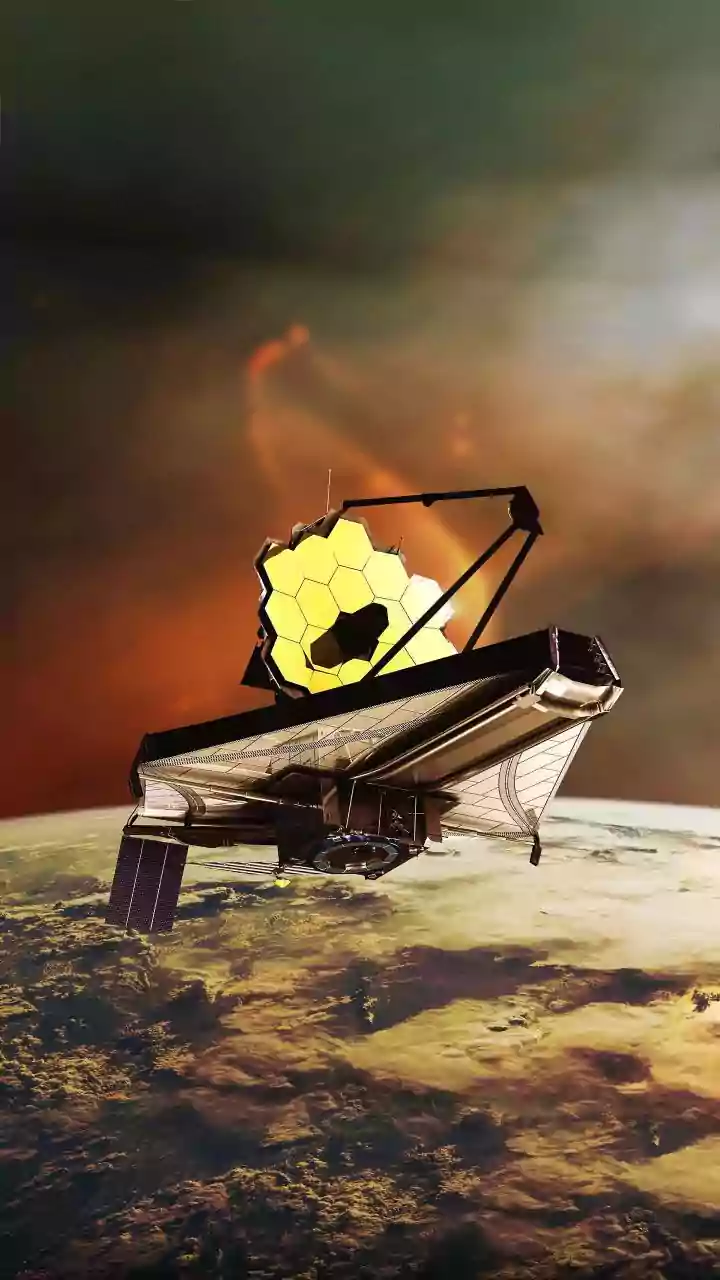
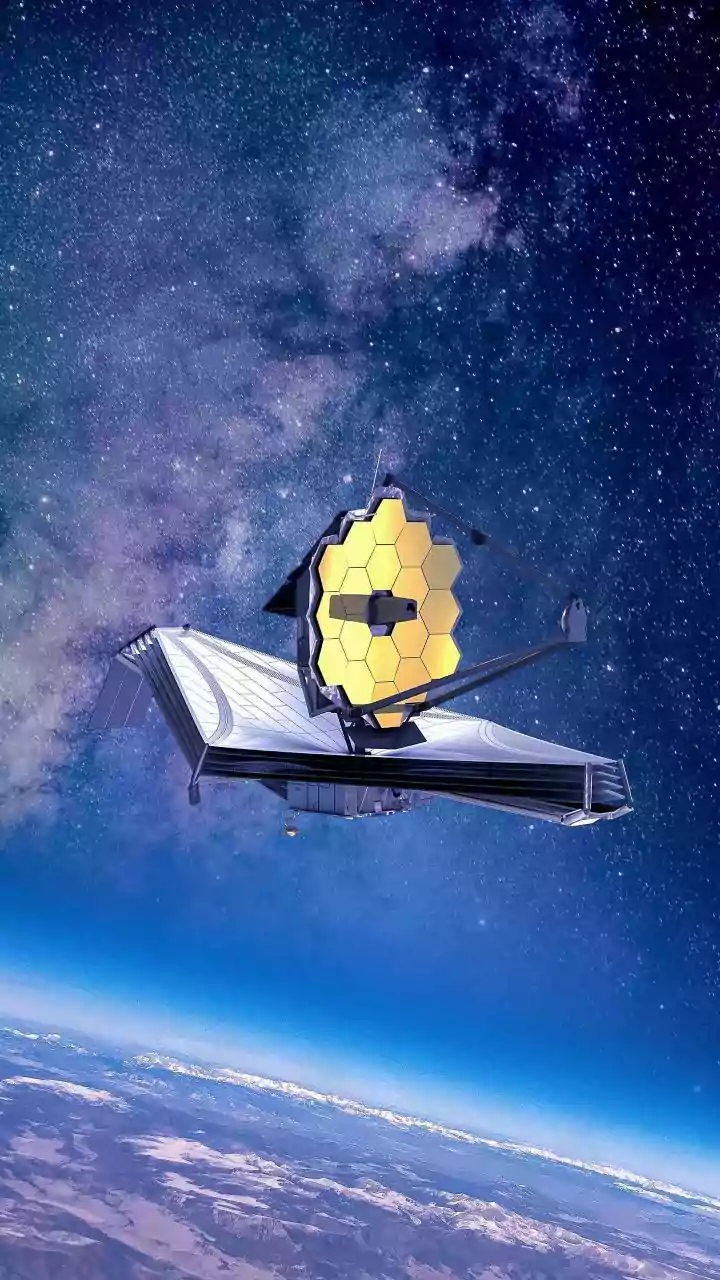
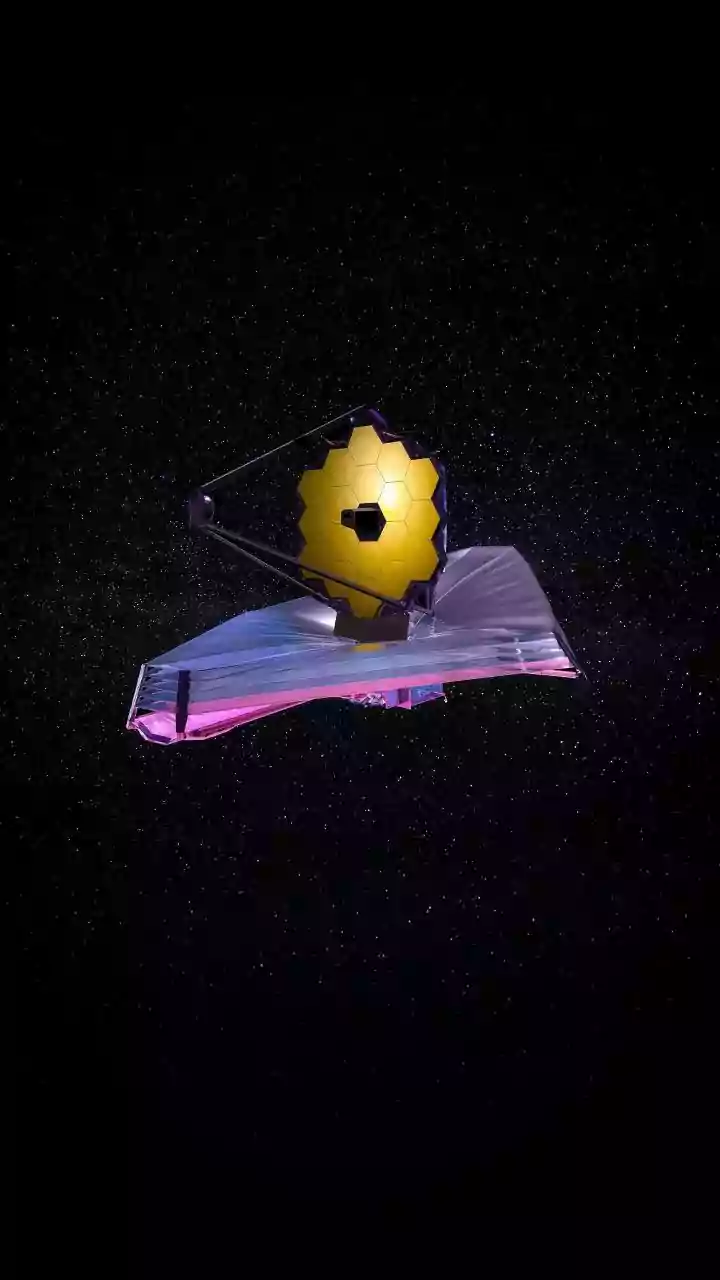
For years, astronomers have focused on the 'habitable zone'—the orbital distance from a star where a planet could host liquid water. But recent JWST findings suggest this is only part of the story. The telescope has scrutinised several rocky worlds, including
some in the much-hyped TRAPPIST-1 system, and returned a sobering verdict: many are likely bare rocks with no substantial atmosphere. For planets like TRAPPIST-1b and 1c, which are close to their star, JWST has all but ruled out the presence of a thick, protective atmosphere. This is a critical finding because an atmosphere is non-negotiable for surface water and for shielding potential life from harsh stellar radiation.
The Perils of a Red Dwarf Star
Many of the most promising Earth-sized exoplanets, like those in the TRAPPIST-1 system, orbit red dwarf stars. These stars are smaller and cooler than our Sun, which means their habitable zones are much closer. However, red dwarfs are also notoriously volatile, especially in their youth. They frequently erupt with powerful flares of high-energy radiation. For a closely orbiting planet, this stellar violence can be a death sentence for its atmosphere. Over millions of years, the star’s energetic particles can effectively sandblast the gases away, a process known as atmospheric stripping. JWST's observations confirm that this process is a major obstacle, suggesting many planets in these systems lose their initial atmospheres, leaving them sterile and exposed.
Redefining the 'Habitable' Planet
This new data is forcing a rethink of what makes a planet truly habitable. It’s no longer just about location, location, location. The key question is whether a planet can retain its atmosphere over billions of years. This depends on factors like the planet's mass (and therefore its gravity), the presence of a protective magnetic field, and the stability of its host star. Some worlds, like the scorching lava planet 55 Cancri e, may be able to sustain a 'secondary' atmosphere, one that is continuously replenished by gases bubbling out of a molten magma ocean. While not habitable in the way we think of Earth, studying these extreme cases helps scientists understand the complex interplay between a planet's interior and its atmosphere.
Not All Hope Is Lost
While JWST has delivered some tough news for planets orbiting close to volatile stars, it has also shown where the search might be more fruitful. The telescope's power lies in its ability to parse what isn't there, allowing astronomers to eliminate candidates and refine their models. For the outer planets in the TRAPPIST-1 system, like TRAPPIST-1e, the jury is still out. These worlds are farther from the star's wrath and may have had a better chance of holding onto their gaseous envelopes. Future observations are planned to continue probing these worlds, with scientists looking for the faint spectral fingerprints of gases like nitrogen, methane, or carbon dioxide. Finding any of them would be a landmark discovery.