





Start with Forgiving Plants
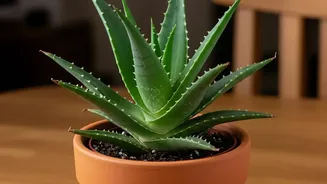
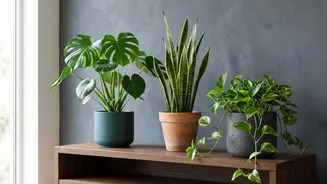
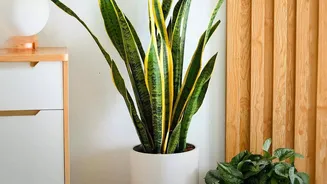
The fastest way to succeed is to choose plants that are famously resilient. For beginners, this means picking varieties that tolerate a range of conditions and bounce back from occasional neglect. Some of the best choices for Indian homes include the Snake
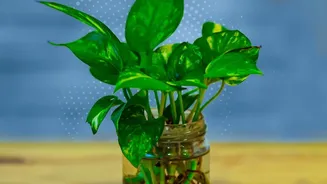
Plant, ZZ Plant, and Money Plant (Pothos). These plants are known for their ability to handle lower light and less-than-perfect watering schedules. The Snake Plant, for instance, is extremely tough and can survive with minimal water. The Money Plant is a classic favourite in India because it grows easily in soil or even just a bottle of water, and the ZZ Plant thrives even when ignored. Starting with two or three of these 'hard-to-kill' plants builds confidence and helps you learn without the constant fear of failure.
Get the Light Right
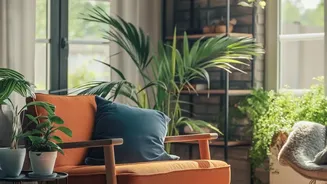
Light is a plant's food, but not all light is equal. Most common houseplants are tropical in origin, meaning they evolved under the canopy of larger trees and prefer bright, indirect light—not scorching direct sun. Placing a plant in the wrong light is a common mistake. Too much direct sun can burn leaves, causing them to wilt or lose colour, while too little light can lead to weak, 'leggy' growth as the plant stretches towards a light source. A simple way to understand your home's light is to observe. A spot that gets a clear view of the sun for hours is 'direct light', suitable for cacti and some succulents. A room that is bright but doesn't get hit by the sun's actual rays has 'bright, indirect light', which is the sweet spot for most indoor plants. 'Low light' doesn't mean a dark corner; it means a spot further from a window that still receives some ambient light.
Master the Art of Watering
More houseplants die from overwatering than any other cause. It's the number one mistake beginners make. The confusion is understandable, but the solution is simple: don't water on a fixed schedule. Instead, check the soil. The best method is to stick your finger about an inch into the potting mix. If it feels dry at that depth, it's time to water. If it's still moist, wait a few more days and check again. When you do water, do it thoroughly. Pour water evenly over the soil surface until it flows freely from the drainage holes at the bottom of the pot. Let the plant sit for about 30 minutes, then discard any excess water from the saucer. This 'soak and drain' method ensures the entire root system gets hydrated without leaving the roots to sit in stagnant water, which suffocates them and causes root rot.
Good Drainage Is Not Negotiable
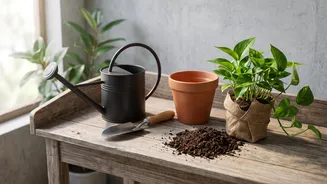
Healthy roots need both water and oxygen. Without proper drainage, water fills all the air pockets in the soil, suffocating the roots and leading to fungal issues and root rot. This is why choosing a pot with drainage holes is essential for beginners. Many decorative pots don't have holes, but you can easily solve this by keeping your plant in its simple nursery pot (with holes) and placing that inside the prettier cachepot. A common myth is that adding a layer of gravel or stones to the bottom of a pot without holes improves drainage. This is false and actually makes things worse by creating a waterlogged layer at the bottom where roots will rot. The key is to use a pot that allows excess water to escape completely.
Avoid Killing with Kindness
Enthusiastic beginners often want to do everything for their new plant, but sometimes the best care is less care. Resist the urge to constantly move your plant, repot it immediately after bringing it home, or give it fertilizer when it looks unwell. Plants need time to acclimate to a new environment. Repotting should only be done when the plant has outgrown its current home, which you can tell if roots are growing out of the drainage holes or the soil dries out extremely quickly. Similarly, fertilizer is for healthy, growing plants. Fertilizing a stressed or struggling plant can do more harm than good by burning its delicate roots. Focus on providing stable and consistent light and water, and your plant will have the foundation it needs to thrive.