





The Rains That Weren't
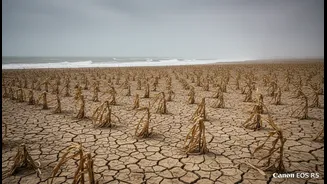
July is typically the wettest month in Goa, a time of lush landscapes and overflowing rivers. But July 2026 is telling a different story. According to the India Meteorological Department (IMD), the monsoon season has been weak, with a seasonal rainfall
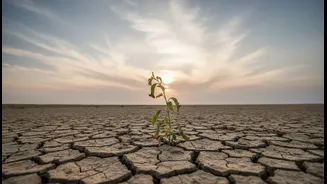
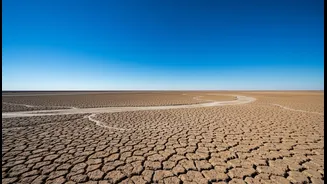
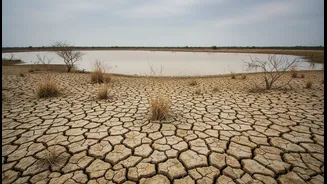
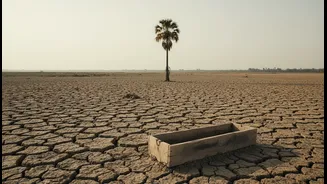
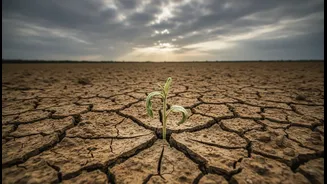
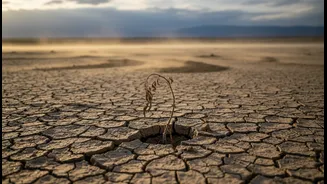
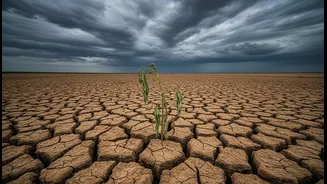
deficit reaching nearly 27% by the second week of July. After a worryingly dry June, which saw deficits soar past 70% at one point, a brief recovery was short-lived. The current spell is characterized by light to moderate showers instead of the usual heavy downpours, leading to rising temperatures and sultry, uncomfortable weather almost three degrees above normal. This prolonged dry period has left dams and reservoirs at worryingly low levels, setting the stage for a series of cascading problems.
A Different Experience for Travellers
For tourists, a weak monsoon presents a mixed bag. On one hand, the unusually sunny days offer more opportunities for beach outings and outdoor activities, which are often limited during a typical torrential monsoon. This might appeal to those looking for a quieter, less crowded version of Goa without the constant rain. However, the flip side is a less vibrant landscape; the signature lush greenery that defines monsoon Goa is less pronounced. More critically, the water crisis is beginning to impact the hospitality sector. Hotels and guesthouses face the prospect of relying on expensive water tankers to meet guest needs, and travellers might encounter water usage advisories. While Goa's tourism department has been keen to promote monsoon travel, the practical challenges of a water shortage could disrupt the idyllic getaway visitors hope for.
Daily Struggles for Residents
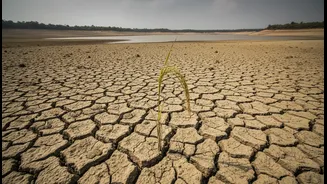
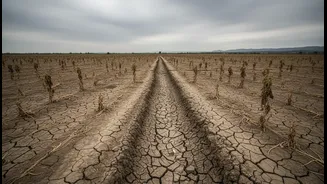
While tourists may find some upside, residents are facing the direct consequences of the poor rainfall. An acute shortage of potable water has already been reported in several areas, with some villagers having to stay awake through the night in hopes of collecting an inadequate supply. The situation in places like Bethora became so severe that Chief Minister Pramod Sawant had to intervene, warning officials to resolve the crisis. The problem extends beyond drinking water. The weak monsoon threatens the very foundation of Goa's agricultural rhythm. Paddy farmers, who depend on the rains for sowing, are in a state of uncertainty, unable to prepare their nursery beds in the parched fields. This delay not only jeopardizes the primary kharif crop but also has a knock-on effect on the subsequent rabi (winter) and summer horticulture seasons, which rely on groundwater recharged by the monsoon.
Tourism Businesses on High Alert
For Goa's tourism-dependent economy, a weak monsoon is a significant threat. While the monsoon is technically the off-season, it has a dedicated following of travellers who come for the serene, green environment. A less-than-picturesque landscape could deter this segment. More pressing are the operational hurdles. Businesses from small cafes to large resorts are bracing for increased costs associated with water management. The prospect of water restrictions, which the government had warned about if rains didn't improve, adds a layer of uncertainty. This affects everything from kitchen operations to laundry and sanitation. A poor monsoon also impacts the supply chain, potentially leading to higher prices for local produce, which in turn squeezes the margins of restaurants that pride themselves on fresh, local ingredients.
The Long-Term Ripple Effect
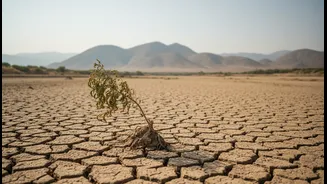
The impact of a single weak monsoon extends far beyond the current season. It highlights Goa's increasing vulnerability to climate variability. The failure to adequately recharge aquifers, ponds, and wells will be felt for months to come, potentially leading to a severe water crisis in the summer of 2027. This has sparked conversations about long-term solutions, from reviving traditional water retention systems like bunded lakes to exploring large-scale infrastructure projects like desalination plants. Experts warn that with rapid urbanization and environmental degradation already stressing resources, a failed monsoon could push more farmers out of agriculture and create a structural water crisis that is no longer just seasonal. The weak rains of 2026 are, therefore, a stark warning for the state to rethink its water management and development policies.