


The ‘Why’ Behind a Balanced Fast
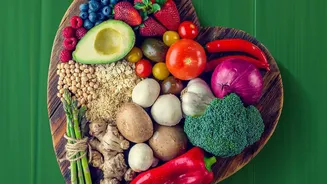
Fasting during Sawan is a practice of self-discipline and purification, not starvation. The goal is to consume sattvic foods—those that are pure, light, and easy to digest—to calm the mind and body. However, a common mistake is relying too heavily on high-carbohydrate
foods like potatoes or sago (sabudana), or simply eating only fruits. This can lead to energy spikes and crashes, leaving you feeling fatigued. A balanced approach ensures you get a steady supply of energy by incorporating a mix of complex carbohydrates, protein, and healthy fats, helping you stay nourished and focused throughout the day.
Prioritise Hydration and Fluids
Especially during the humid monsoon weather of Sawan, staying hydrated is crucial. Dehydration can cause headaches, fatigue, and dizziness, making your fast much harder. Water is essential, but you can also include other nourishing fluids. Coconut water, fresh buttermilk (lassi), lemon water (with rock salt), and milk are excellent choices to replenish electrolytes and maintain energy levels. Try to avoid packaged juices, which are often high in sugar and preservatives.
Choose Smart Carbohydrates
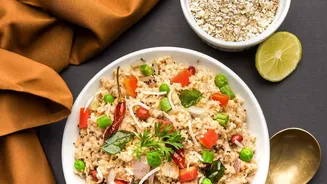
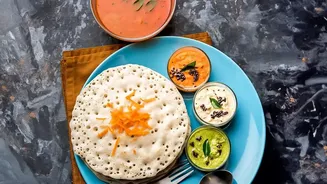
Carbohydrates are your primary source of energy, but the type you choose matters. Instead of simple carbs, opt for complex ones that provide sustained energy. Vrat-friendly flours like kuttu (buckwheat), rajgira (amaranth), and singhara (water chestnut) are excellent choices for making rotis or cheelas. Barnyard millet, known as samak rice, is another fantastic grain substitute that is light, rich in fibre, and can be used to make pulao or khichdi. Sweet potatoes (shakarkandi) are also a great option, offering fibre and antioxidants.
Incorporate Protein and Healthy Fats
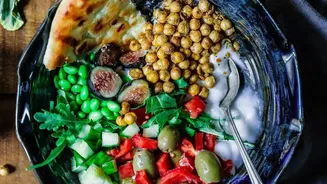
Protein is vital for keeping you full and maintaining muscle health, which is important even on fasting days. Paneer (cottage cheese), milk, and curd are great sources of protein that are permitted during the Sawan vrat. Nuts like almonds, walnuts, and peanuts, along with seeds, provide both protein and healthy fats, which contribute to satiety. A handful of roasted makhana (fox nuts) is a perfect snack, as it's low in calories but rich in protein and calcium.
Balanced Meal Idea: Samak Pulao with Raita
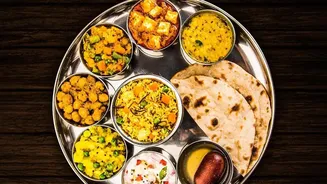
This simple meal is a perfect example of a balanced vrat diet. Samak rice provides complex carbohydrates and fibre. You can cook it with vrat-friendly vegetables like bottle gourd (lauki) or potatoes, and add peanuts for a protein and healthy fat boost. Paired with a simple cucumber or lauki raita (yogurt dip), this meal becomes a complete, cooling, and nourishing option. The yogurt adds a good dose of protein and probiotics, aiding digestion.
Snack Smartly: Makhana and Nut Mix
Mid-day hunger pangs can lead to reaching for fried or sugary snacks. Instead, prepare a healthy trail mix. Dry roast a cup of makhana in a little ghee, then toss with a handful of almonds, walnuts, and a few raisins. This snack is crunchy, satisfying, and provides a balanced mix of nutrients to curb hunger and prevent energy dips between meals. Makhana is rich in calcium and protein, while nuts offer healthy fats and sustained energy.