



Why Paws are So Vulnerable
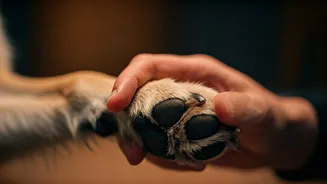
A dog's or cat's paws are their connection to the world, but they are surprisingly sensitive. During the monsoon, constant exposure to moisture softens the paw pads, much like our own skin after a long bath. This makes them more susceptible to cuts, scrapes,
and punctures from sharp objects like glass or stones hidden in puddles and wet grass. Furthermore, the persistent dampness between the toes and in the fur creates a perfect breeding ground for bacteria and fungi. This can lead to painful and itchy infections, a condition veterinarians often see spike during the rainy months.
The Post-Walk Paw Check Routine
Make paw inspection a non-negotiable part of your routine every time you return from a walk, even a short one. It only takes a minute but can prevent weeks of discomfort for your pet. First, have a designated soft, absorbent towel near the door. Gently but firmly wipe down each paw, ensuring you get all the surface mud and water off. Next, spread your pet's toes and carefully inspect the webbing between them. This is where moisture, dirt, and even ticks love to hide. Look for any foreign objects—small pebbles, thorns, or debris—and gently remove them. This simple act of cleaning and inspecting is your first line of defence against infection.
Cleaning and Drying Done Right
If your pet’s paws are particularly muddy, a simple wipe might not be enough. Wash them with lukewarm water. Avoid using human soaps or harsh detergents, which can strip the natural oils from their skin and cause irritation. You can use a mild, pet-friendly antiseptic wash if recommended by your vet. The most critical step, however, is drying. Use a clean, dry towel to pat the paws, and pay extra attention to drying the area between the pads. For pets with long fur, you can use a hairdryer on a low-heat, low-speed setting to ensure they are completely dry. Damp paws are an invitation for fungal growth, so thoroughness is key.
Spotting the Signs of Trouble
Even with diligent care, problems can sometimes arise. Knowing the warning signs of a paw infection can help you seek timely veterinary help. Be on the lookout for excessive licking or chewing of the paws, which is often the first sign of irritation. Other red flags include redness, swelling, a foul odour, limping, or a reluctance to walk. You might also notice discharge or small, painful blisters between the toes. These symptoms suggest an underlying bacterial or fungal infection (like pododermatitis) that requires a professional diagnosis. Do not attempt to self-medicate with over-the-counter creams, as this can sometimes worsen the condition.
Beyond Paws: Complete Monsoon Care
While paws are a priority, overall wellness during the monsoon involves a bit more. Ensure your pet’s coat is also dried thoroughly after getting wet to prevent skin infections and hotspots. Avoid letting them drink from puddles or stagnant water, as this is a primary source of dangerous water-borne diseases like leptospirosis, which can be fatal. Keep their bedding clean and dry. Finally, since outdoor activity may be limited, engage them in indoor games to keep them mentally stimulated and physically active. A happy, well-cared-for pet is better equipped to stay healthy throughout the season.