


Bringing a piece of another planet to Earth is one of the greatest challenges in space exploration. For NASA's Mars Sample Return mission, that challenge just got bigger, forcing a major rethink of one of its most anticipated scientific quests.
The Ambitious Original Plan
The original
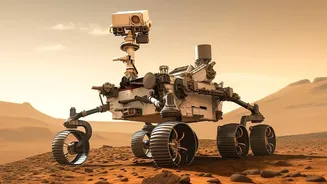
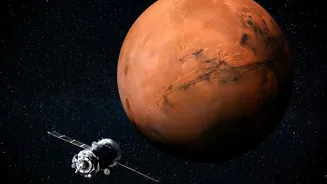
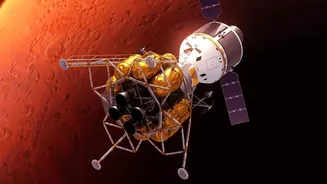
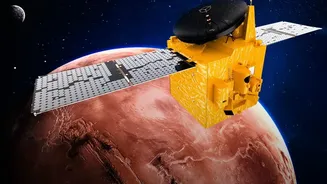
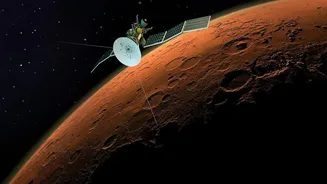
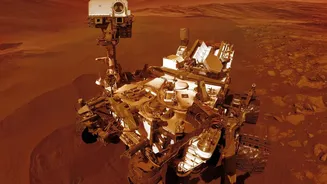
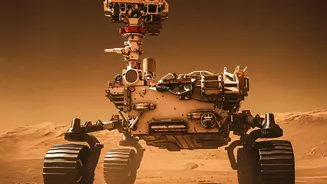
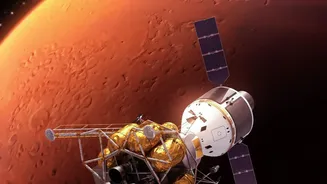
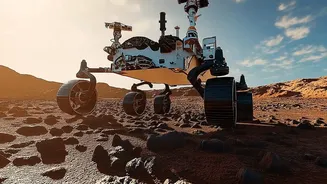
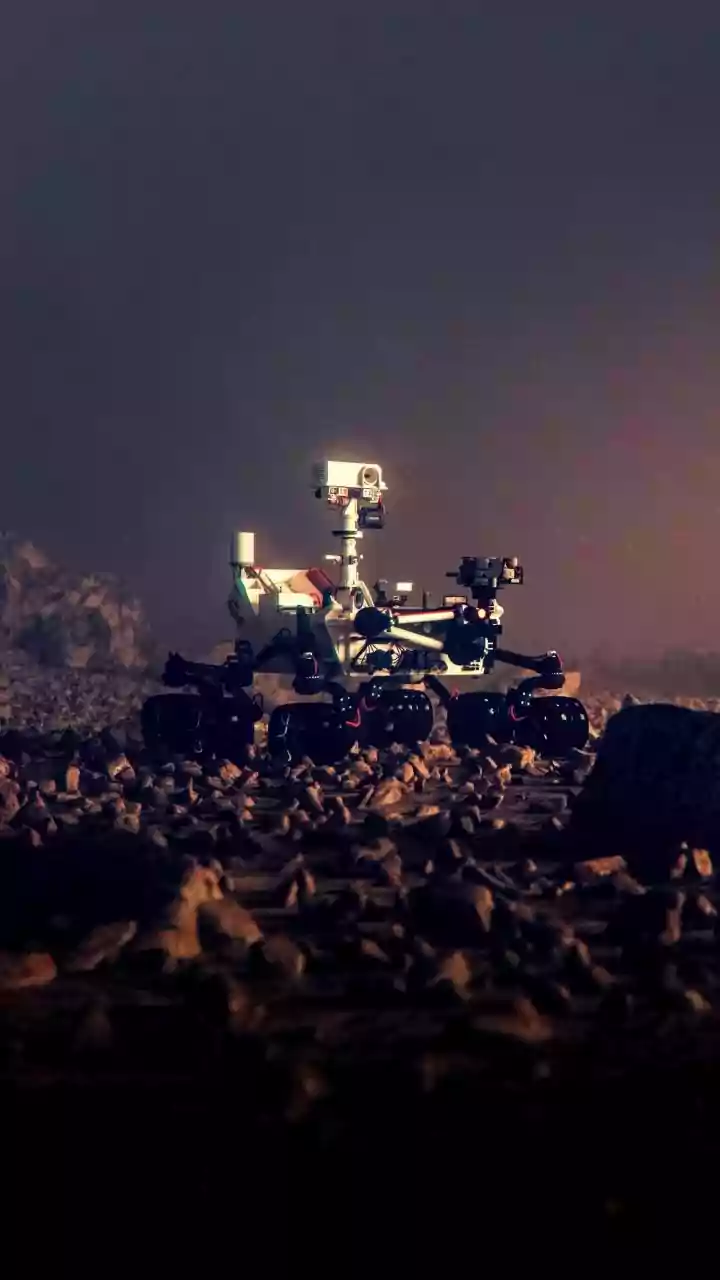
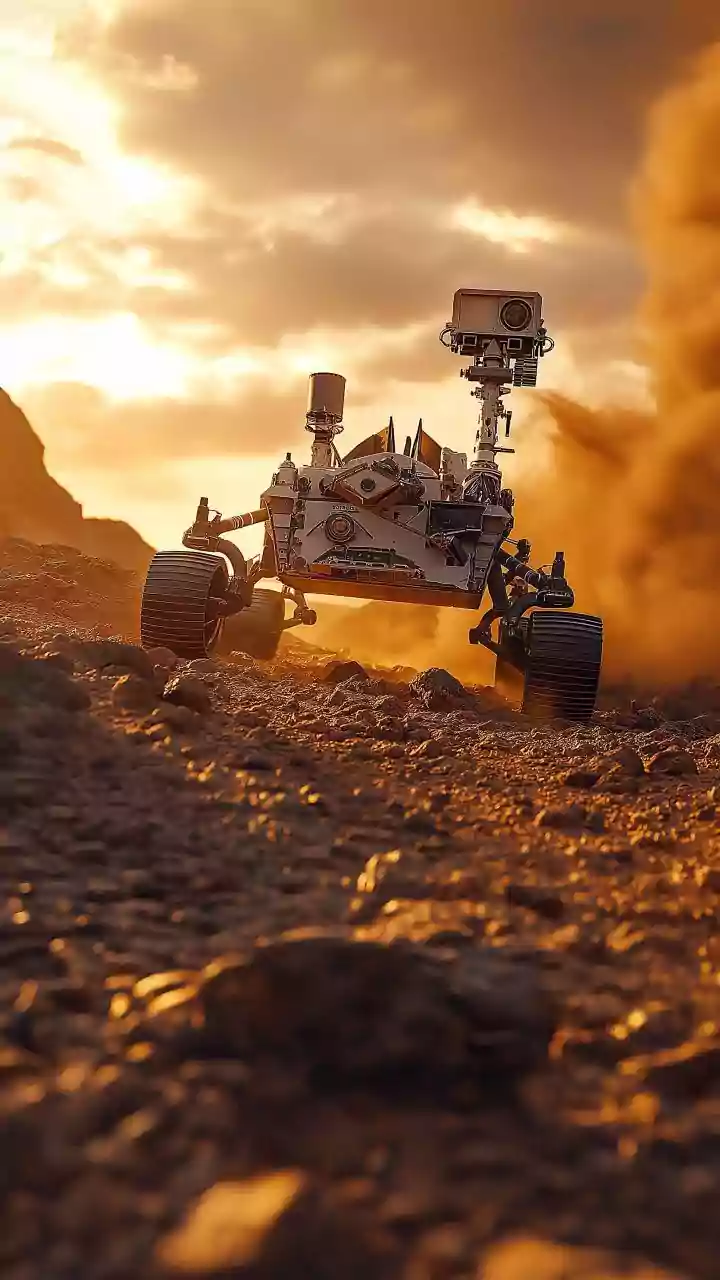
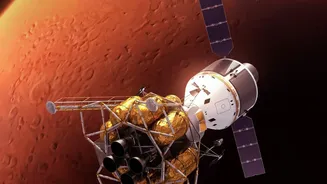
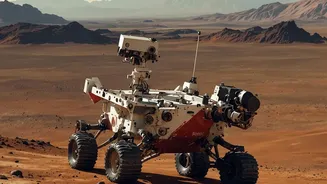
Mars Sample Return (MSR) mission was a multi-stage, international relay race of unprecedented complexity. First, the Perseverance rover, which has been exploring Mars's Jezero Crater since 2021, would collect scientifically interesting rock and soil samples. Next, a second spacecraft, the Sample Retrieval Lander, would touch down nearby. It would deploy a small rocket, the Mars Ascent Vehicle (MAV), and either use small helicopters or the Perseverance rover itself to load the sample tubes. The MAV would then make history by becoming the first rocket to launch from the surface of another planet, carrying the precious cargo into orbit around Mars. There, a third spacecraft, the Earth Return Orbiter built by the European Space Agency (ESA), would capture the sample container and begin the long journey home.
An 'Unacceptable' Price and Timeline
This intricate plan, however, ran into serious trouble. An independent review board concluded that the mission's complexity was driving its cost and schedule to unsustainable levels. The initial price tag of around $5-7 billion ballooned to a potential $11 billion. Even more concerning, the projected return date for the samples slipped from the early 2030s to 2040. NASA Administrator Bill Nelson declared this timeline 'unacceptable'. The findings made it clear that the original MSR architecture, while technically impressive, was not feasible within current budget realities and would risk 'cannibalizing' funding from other important science missions. Faced with this assessment, NASA had no choice but to pause the existing plan and go back to the drawing board.
A Call for Faster, Cheaper Ideas
In response, NASA has opened the floor to new ideas, calling on its own research centers and private industry partners to propose faster, more affordable, and less risky ways to get the job done. The goal is to bring the cost down to a more manageable target of around $7 billion and ensure the samples are back on Earth sometime in the 2030s. In early 2027, a new strategy team, known as the Perseverance Sample Retrieval Architecture (PSRA) team, is set to officially begin a year-long process to evaluate these alternative approaches. This isn't about abandoning the mission; it's about finding a more pragmatic and innovative path forward, reflecting a new era at NASA that increasingly leverages commercial partnerships.
What Could a New Mission Look Like?
Several alternative architectures are now being considered. One option involves a simplified, single-lander mission. Instead of a separate lander and rover, a larger, more capable lander would carry both the sample collection hardware and the Mars Ascent Vehicle. This could potentially use NASA's proven 'sky crane' technology, which successfully landed the Curiosity and Perseverance rovers. Another, more revolutionary approach, would rely on commercial partners like SpaceX or Blue Origin to provide a heavy-lift lander. These new concepts focus on reducing the number of moving parts and mission-critical events. For instance, some proposals suggest simplifying the sample transfer process or using different power systems, like a radioisotope thermoelectric generator, to make the lander immune to Mars's infamous dust storms.
The Race Against the Clock
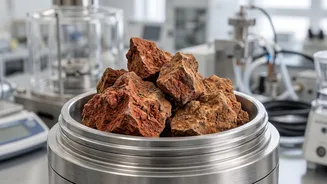
While NASA re-strategizes, the clock is ticking. The samples collected by Perseverance are waiting in their titanium tubes on the Martian surface. These samples, taken from an ancient river delta, are considered of immense scientific value and could hold clues to whether life ever existed on Mars. Adding to the pressure is the geopolitical landscape. China has announced its own ambitious Mars sample return mission, Tianwen-3, with a planned launch in 2028 and a potential sample return as early as 2031. This has added a sense of urgency for NASA to finalize its new plan and maintain its leadership role in planetary exploration. The decisions made in the next year will determine not only how, but when, these invaluable pieces of Mars finally make their way to laboratories on Earth.