




The Danger Zone Explained
The most important concept in leftover safety is the 'temperature danger zone'. According to food safety experts, this is the range between 4°C and 60°C (40°F and 140°F), where bacteria can multiply rapidly. In fact, the number of harmful bacteria can double
in as little as 20 minutes when food is left at room temperature. The goal is to minimise the time your food spends in this zone. Keeping hot food hot (above 60°C) and cold food cold (below 4°C) is the fundamental rule to prevent the growth of pathogens that you can't see, smell, or taste.
The Critical Two-Hour Rule
Time is of the essence. Perishable foods must be refrigerated within two hours of being cooked or taken off a heat source. This window is the maximum time food should be in the danger zone. In hotter climates or on days when the temperature is above 32°C (90°F), this window shrinks to just one hour. This rule applies to everything from curries and rice dishes to meat and salads. India's Food Safety and Standards Authority (FSSAI) specifically advises refrigerating leftovers within two hours to prevent spoilage, especially during warmer months. If you forget and leave food out for longer, the safest option is to discard it.
Smart Cooling Techniques
Putting a large, steaming pot of dal or biryani directly into the refrigerator is a common mistake. It not only fails to cool the food down fast enough, but it can also raise the internal temperature of your fridge, putting other foods at risk. To cool food rapidly, you need to increase its surface area. Divide large batches into several small, shallow containers. Containers less than three inches deep are ideal. You can also slice large items like roasts or whole chickens into smaller pieces. For an even faster method, place your smaller container of hot food into an 'ice bath'—a larger bowl or sink filled with ice and a little water—and stir the food to help it release heat quickly.
Proper Storage Solutions
Once cooled, proper storage is your next line of defence. Use airtight containers to keep bacteria out, retain moisture, and prevent your leftovers from absorbing odours from other foods in the fridge. It’s also a good idea to avoid overcrowding your refrigerator. Good air circulation is necessary for the appliance to maintain a consistent, safe temperature. FSSAI recommends keeping raw meat, poultry, and seafood sealed and stored separately from cooked foods to prevent cross-contamination from drips or juices. A simple label with the date can also help you keep track of when something was stored, removing any guesswork later.
Know When to Eat or Freeze
As a general guideline, most cooked leftovers can be safely kept in the refrigerator for three to four days. After this point, the risk of food poisoning increases, even if the food still looks and smells fine. If you know you won't be able to eat the leftovers within that timeframe, your freezer is your best friend. Freeze them as soon as possible to preserve their quality. While frozen food stays safe indefinitely from a bacterial standpoint, its taste and texture are best if consumed within three to four months.
Reheating for Maximum Safety
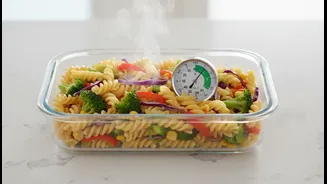
When it’s time to enjoy your leftovers, reheating isn't just about making the food warm—it's about making it safe. All leftovers should be reheated to a uniform internal temperature of 74°C (165°F). The only way to be sure is to use a food thermometer. When reheating soups, sauces, or gravies on the stovetop, bring them to a rolling boil. If you're using a microwave, cover the food to retain moisture and ensure even heating, stirring it midway through. It's generally advised not to use slow cookers for reheating, as they heat food too slowly and may allow it to linger in the danger zone.