






Not an Ebb, but a Flood
Contrary to what one might expect from a headline suggesting dwindling numbers, India's premier hill stations are experiencing an unprecedented deluge of tourists. In June alone, destinations like Shimla have witnessed a record-breaking influx, with vehicle
arrivals crossing staggering figures and straining the limits of local infrastructure. [14, 19] Reports from May and June show a massive surge in traffic, with hotels in the 'Queen of Hills' reporting occupancy rates as high as 90 percent. [19] This isn't the typical planned summer vacation; it's a mass migration for relief. As temperatures in the northern plains soared to unbearable highs, families and individuals have been flocking to the mountains in search of cooler air, turning popular retreats into bustling, congested cities. [15, 17] The usual leisurely start to the peak season was advanced this year, driven not by school holidays alone, but by a pressing need to escape the heat. [15]
A Tale of Two Weather Systems
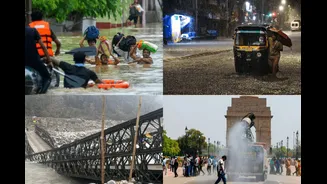
The phenomenon is a classic weather paradox. In the hills, tourists have been delighted by intermittent pre-monsoon showers and misty, cool conditions — a welcome respite from temperatures touching 45 degrees Celsius back home. [16, 17] However, this localised pleasant weather is a direct consequence of a much larger, more concerning atmospheric pattern. The 2026 southwest monsoon has been significantly delayed and weak, with June on track to be one of the driest since records began in 1901. [20] Factors including a developing El Niño and weak monsoonal winds have stalled the progress of rain across North India. [18, 20] This has left the plains to bake under relentless dry heat, creating the powerful push-factor that is sending record numbers of people towards the cooler altitudes of Himachal Pradesh and Uttarakhand. [21] What visitors are experiencing as a blessing in the hills is rooted in a widespread climatic anomaly.
The Strain of an Escape
This is where the peak season begins to 'lose.' The sheer volume of the exodus is overwhelming the very destinations that offer escape. Shimla and other popular towns are choked. Traffic jams stretching for hours have become a daily reality, and the perennial problem of parking has escalated into a crisis. [14, 15] Authorities have been forced to implement special traffic management plans, diverting vehicles and deploying extra personnel just to keep things moving. [19] While the cool mountain air offers a sanctuary, the on-ground experience for many has become one of frustration, with hours spent in gridlocked cars. The infrastructure, never designed for such a concentrated and sudden influx, is buckling under the pressure. The dream of a serene mountain getaway is, for many, being lost to the reality of over-tourism concentrated into a few short weeks.
Booming Business, Bursting Seams
For local economies, this surge is a double-edged sword. On one hand, hoteliers, restaurant owners, and shopkeepers are seeing a boom in business, with cash registers ringing and occupancy rates soaring. [19] The economic lifeblood of these tourist towns is flowing stronger than ever. On the other hand, the region is losing its sustainability. The environmental cost of accommodating hundreds of thousands of vehicles is immense, and the quality of life for local residents is severely impacted by the constant congestion and strain on resources. [14] The 'loss' is a loss of balance — between economic gain and ecological preservation, between welcoming tourists and maintaining a livable environment. The very charm that makes these hill stations attractive is at risk of being eroded by the sheer number of people seeking it.