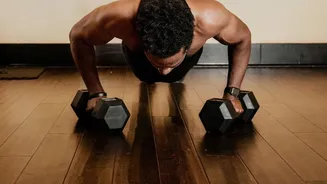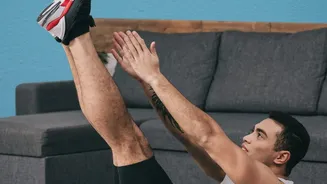








The Rise of the 'Exercise Snack'
Let's be clear: five-minute workouts are far better than no workout. For many, they are a gateway to a more active life. Known as 'exercise snacks,' these short bursts of activity are brilliant for breaking up long periods of sitting and helping people
stay consistent. If you're going from a sedentary lifestyle to doing five minutes of intense movement, you will absolutely see benefits. Studies show these micro-workouts can improve heart health, boost your mood, and even help manage blood sugar levels. They are an effective tool for overcoming the number one barrier to exercise: a lack of time. The key is their intensity; a vigorous five minutes can kickstart your metabolism and contribute to your weekly activity goals.
What a Complete Fitness Plan Looks Like
While short workouts have their place, they don't cover all the bases. Health organizations like the World Health Organization (WHO) recommend a comprehensive approach. For adults, this means aiming for 150-300 minutes of moderate-intensity aerobic activity (like brisk walking or cycling) or 75-150 minutes of vigorous-intensity activity (like running or HIIT) each week. But the guidelines don't stop there. They also stress the importance of muscle-strengthening activities that work all major muscle groups on two or more days a week. A truly balanced routine has several components: cardiovascular fitness, strength, flexibility, and balance. Relying solely on one type of training, especially a very short one, can leave significant gaps in your overall physical health.
The Endurance Gap
One of the most significant limitations of five-minute workouts is the development of cardiovascular endurance. High-intensity interval training (HIIT), a common format for short workouts, is excellent for improving your VO2 max (how efficiently your body uses oxygen). However, it doesn't build the same kind of stamina as longer, sustained efforts. A 30-minute jog, a 45-minute swim, or a long hike challenges your heart and lungs in a different way, training them to perform efficiently over an extended period. This kind of endurance is crucial for everything from running a 5K to simply having more energy throughout your day. It can be difficult to build up this staying power when your workouts are always over in the time it takes to boil a kettle.
Flexibility and Mobility Are Left Behind
When you only have five minutes, the focus is almost always on maximising intensity. This usually means a frantic session of burpees, jumping jacks, or squats, with little time left for anything else. What gets sacrificed? Flexibility and mobility work. A balanced fitness plan should include regular stretching to maintain and improve your range of motion, prevent injuries, and reduce muscle soreness. Activities like yoga, Pilates, or even a dedicated 10-minute stretching routine address this need. These practices keep your joints healthy and your muscles pliable, which is something a quick HIIT session simply isn't designed to do. For older adults, activities that enhance balance are also critical to prevent falls.
The Untapped Mental and Stress-Relief Benefits
Exercise is a powerful tool for mental health, but not all workouts deliver the same psychological benefits. A short, intense burst of activity can certainly release feel-good endorphins and improve focus. However, longer, more moderate forms of exercise can offer a different kind of mental release. A 30-minute walk in nature, for instance, can be a form of moving meditation, helping to lower stress hormones and clear your mind in a way that a five-minute, high-pressure workout might not. The goal of a workout isn't always to push your physical limits; sometimes, it's about down-regulating your nervous system and finding a sense of calm, which often requires more time and less intensity.
Making Brief Workouts Work for You
The message is not to abandon short workouts. Instead, the smart approach is to see them as a supplement, not a replacement. On days when you are genuinely strapped for time, a five-minute session is a fantastic way to stay on track and keep your momentum. But on days when you have more time, aim to incorporate those longer aerobic sessions and dedicated strength training. Think of your fitness like a balanced diet. Exercise snacks are the healthy, well, snacks that keep you going between meals. But you still need the full, nutrient-dense meals—the 30-minute runs, the strength sessions, the yoga classes—to be truly healthy. By combining short, intense bursts with longer, more varied activities, you create a robust and sustainable fitness plan that addresses all your body's needs.