




A New Creative Workflow
For years, creating a visually compelling pitch deck was a choice between two compromises: using generic, often uninspiring stock imagery, or commissioning expensive and time-consuming custom graphics. A startup founder or marketing manager needing to make
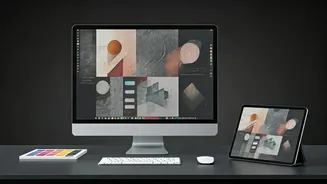
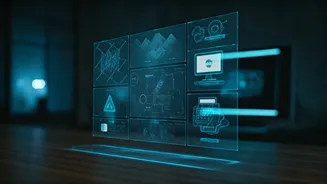
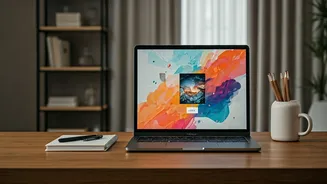
an impression was often stuck. Now, generative AI has introduced a powerful third option. Designers are embracing tools like Midjourney, DALL-E 3, and Adobe Firefly to rapidly generate unique, on-brand visuals. Instead of searching for an image that 'sort of' fits the concept, they can now create one that perfectly captures it, often in a matter of minutes.
The Tools Redefining Design
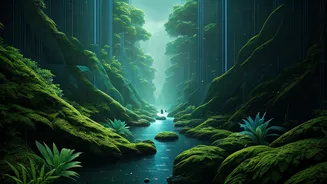
At the forefront of this shift are a few key players. Midjourney, known for its artistic and often hyper-realistic outputs, is a favourite for creating evocative, mood-setting backdrops. DALL-E 3, integrated into ChatGPT Plus, excels at understanding natural language and producing images that are conceptually precise. Meanwhile, Adobe Firefly is designed to be commercially safe, trained on Adobe's licensed stock library, making it an attractive option for corporate clients worried about copyright issues. Each tool has its own strengths and nuances, and savvy designers are learning to leverage them like different brushes in a digital paint set. The goal is no longer just finding an image, but crafting the perfect one from scratch using words as the primary input.
The Business Case: Speed and Customisation
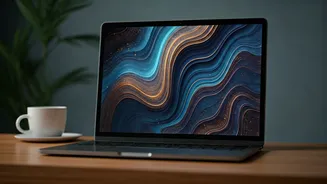
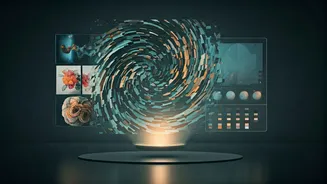
The primary driver for this adoption in the business world is efficiency. A design task that might have taken days—briefing a graphic artist, waiting for drafts, going through revisions—can now be completed in an afternoon. This speed allows for greater experimentation. A team can test multiple visual concepts for a presentation before settling on the most effective one, a luxury that was previously impractical. Furthermore, the level of customisation is unprecedented. Need a background showing an abstract representation of data growth in the style of a specific art movement, with a colour palette that matches your company's logo? A well-crafted AI prompt can deliver exactly that, providing a level of bespoke branding that makes any pitch feel more polished and professional.
It's Not Magic, It's a Skill
While these tools seem magical, their output is only as good as the input. The emerging skill is 'prompt engineering'—the art and science of writing detailed, descriptive text prompts to guide the AI. A simple request like "a business meeting" will yield a generic, clichéd image. A skilled designer, however, will craft a prompt like: "A wide-angle shot of a diverse team of three collaborating around a luminous holographic interface in a minimalist, sunlit office with green plants, cinematic lighting, photorealistic." This level of detail is what separates amateurish results from professional-grade design. It proves that the designer's eye for composition, lighting, style, and narrative remains crucial.
Navigating the Challenges
The rapid adoption of AI in design is not without its hurdles. One of the biggest challenges is maintaining brand consistency. While AI can create a stunning one-off image, ensuring that an entire series of images for a 20-slide deck feels cohesive and adheres to strict brand guidelines requires a human touch and careful curation. There are also ongoing ethical and copyright debates surrounding AI models trained on vast, uncredited datasets from the internet. Businesses must be mindful of which tools they use, especially for commercial projects, to avoid potential legal pitfalls down the line. Finally, there's the risk of producing work that looks impressive but feels soulless, lacking a genuine creative spark that a human artist brings.
The Designer as Creative Director
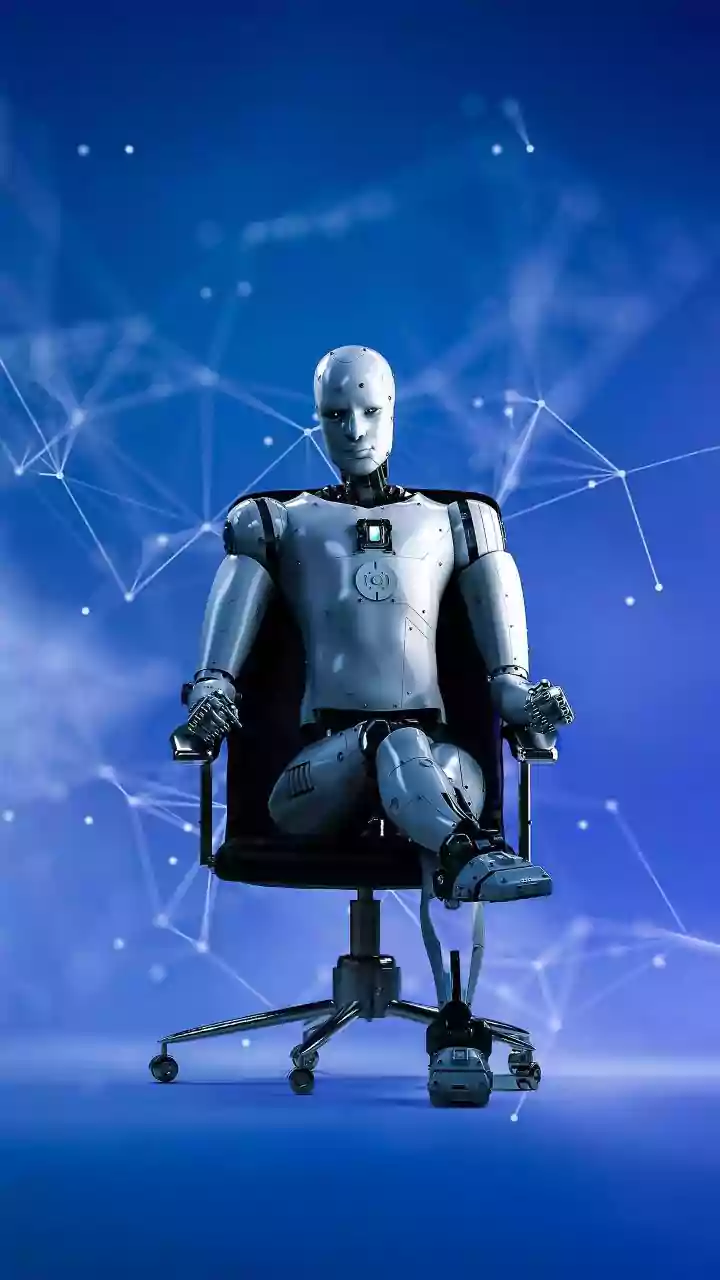
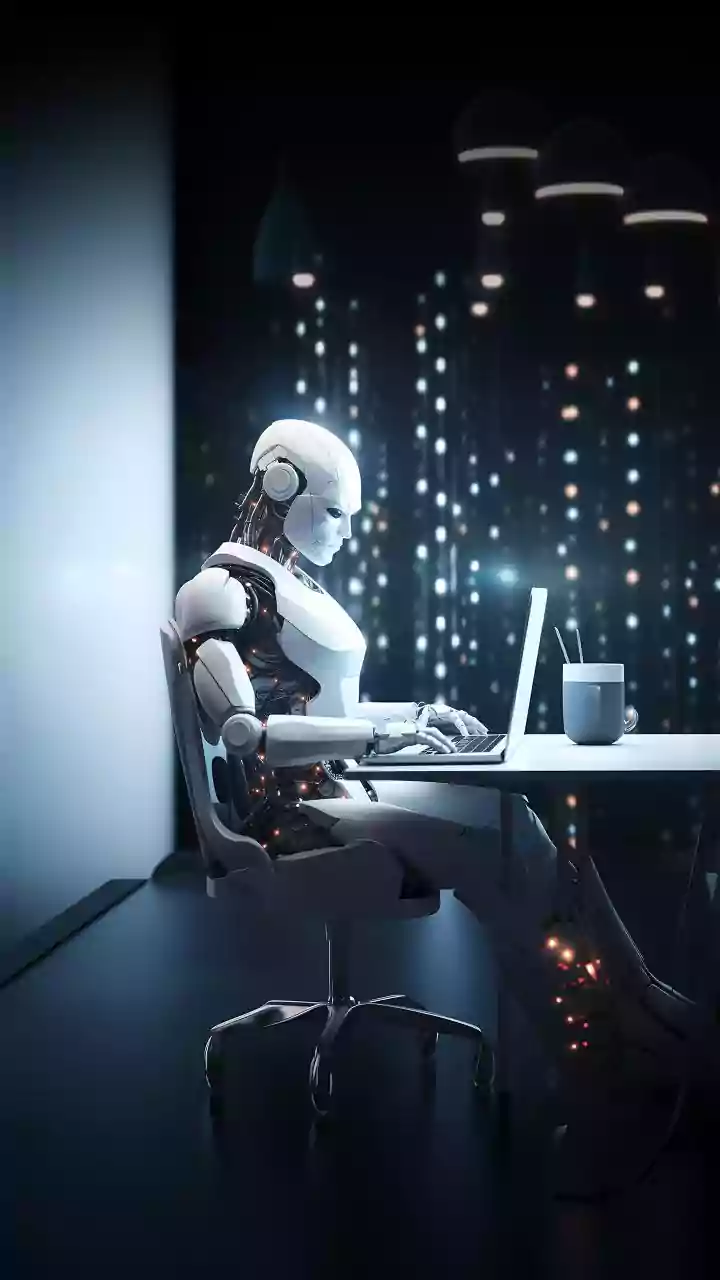
Ultimately, AI is not replacing visual designers; it's changing their role. The focus is shifting from manual execution to creative direction. Designers are becoming curators, prompters, and editors, using AI as an incredibly powerful assistant to bring their vision to life faster than ever before. This frees them up to focus on the higher-level strategic aspects of design: understanding the client's message, defining the visual narrative, and ensuring the final product communicates effectively. The tools handle the rendering, while the human handles the vision.