



Why Humidity Is a Pest Paradise
High humidity and warmth create the perfect storm for many common houseplant pests to breed and multiply rapidly. Seasons like the monsoon, with their combination of heat and persistent moisture, are particularly challenging for plant parents. This environment
not only accelerates the life cycle of pests like spider mites and mealybugs but also creates ideal conditions for fungal diseases and root rot if the soil remains waterlogged. Stagnant, moist air around crowded plants reduces airflow, further encouraging pests to settle in and start a family on the undersides of leaves and in soil.
Common Culprits to Watch For
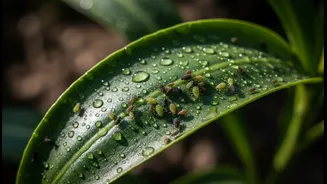
Several pests thrive in these damp conditions. Keep an eye out for these frequent offenders: Spider Mites, which are tiny arachnids, leave fine, silky webs between leaves and cause a stippled or speckled pattern on the foliage. Mealybugs appear as small, white, cottony masses tucked into the joints where leaves meet stems. They suck sap from the plant, leading to stunted growth. Fungus Gnats are small, dark flies that hover around moist soil. While the adults are mostly an annoyance, their larvae can damage young roots by feeding on them in the soil. Aphids are small, soft-bodied insects that cluster on new growth, causing leaves to curl and distort. They also secrete a sticky substance called honeydew, which can lead to sooty mould.
Early Signs of an Invasion
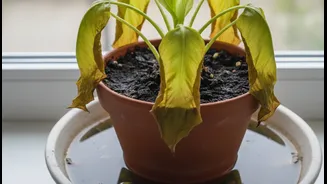
Catching an infestation early is key to saving your plants. Regularly inspect your plants, especially when you water them. Look for visual cues like yellowing leaves, stunted or distorted new growth, or sticky residue on the leaves or the surface below the plant. This residue, known as honeydew, is a tell-tale sign of sap-sucking insects like aphids and mealybugs. Fine webbing points to spider mites, while white, fuzzy spots indicate mealybugs. Brown or tan bumps that are hard to remove from stems are likely scale insects. To spot tiny pests, hold a white piece of paper under a leaf and gently shake it; small mites or thrips will fall off and become visible against the white background.
A Strong Defence: Prevention Strategies
The best treatment is always prevention. Good airflow is critical, so ensure your plants aren't too crowded to allow air to circulate freely. Avoid overwatering, as consistently damp soil is a breeding ground for fungus gnats and root rot. Water only when the top layer of soil feels dry. Always inspect new plants thoroughly before bringing them home and consider isolating them for a couple of weeks to ensure they are pest-free. Regularly wiping down leaves with a damp cloth not only removes dust, which can inhibit photosynthesis, but also physically removes any potential pests that have landed there. Finally, removing any dead or yellowing leaves promptly reduces potential habitats for pests.
Effective and Safe Treatment Methods
If you do find pests, don't panic. For light infestations, many can be physically removed. A strong spray of water from a sink or showerhead can dislodge spider mites and aphids. For pests like mealybugs, a cotton swab dipped in rubbing alcohol can be used to dab them directly, which kills them on contact. For a broader treatment, neem oil is a powerful natural insecticide and fungicide. Mix cold-pressed neem oil with water and a few drops of mild dish soap (to help it emulsify) and spray all surfaces of the plant, including the undersides of leaves. This disrupts the pests' life cycle and deters them from feeding. Insecticidal soap sprays are another effective option for soft-bodied insects and can be easily made at home with a mild soap like Castile soap mixed with water.